The Suit and the Singlet
Pull up a chair, grab a cold one, and let’s talk about the coolest guy in the room who is currently making us all a little bit nervous. We are exactly five days removed from the glitter of WrestleMania 41, and while the rest of the world is obsessing over John Cena’s retirement tour or Cody Rhodes finally becoming the final boss of the 10-count, a very different kind of conversation is happening over in the AEW Business Lounge. MVP—the man who makes a three-piece suit look like a lethal weapon—is starting to talk about the end. And honestly? It’s about damn time.
The news started trickling out this week that Porter is opening up about his health, specifically the kind of wear and tear that comes with two decades of being the most charismatic man on the planet. He’s musing on hypothetical retirement plans, and the internet is doing its usual thing—half the people are crying into their '305' shirts and the other half are acting like he’s never going to touch a microphone again. Relax. MVP isn’t going anywhere, but if he’s smart—and we know he’s the smartest guy in any building he walks into—he’s realized that the era of the Drive-By Kick is over. It’s the era of the Boardroom, and that’s exactly where he belongs.
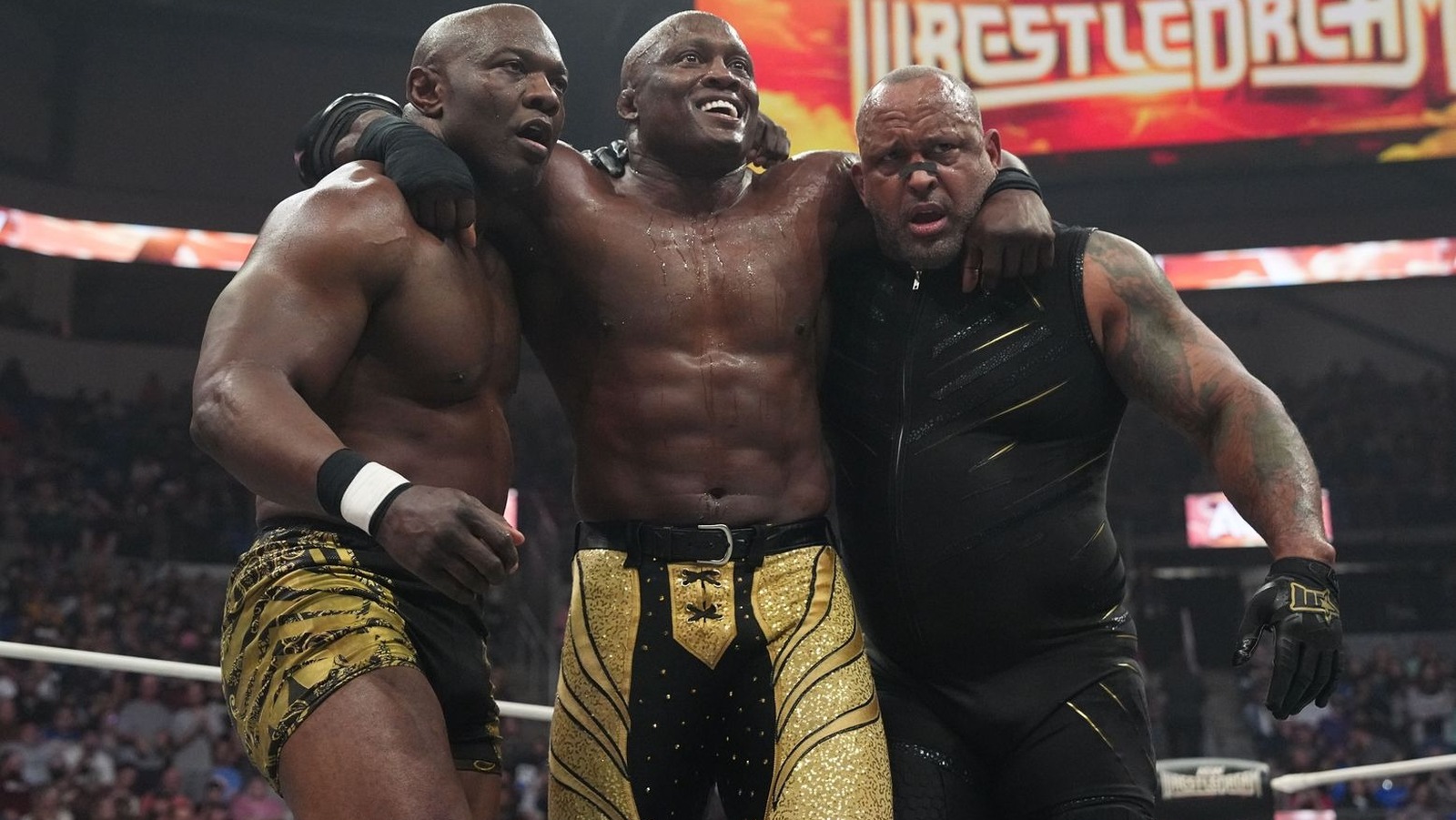
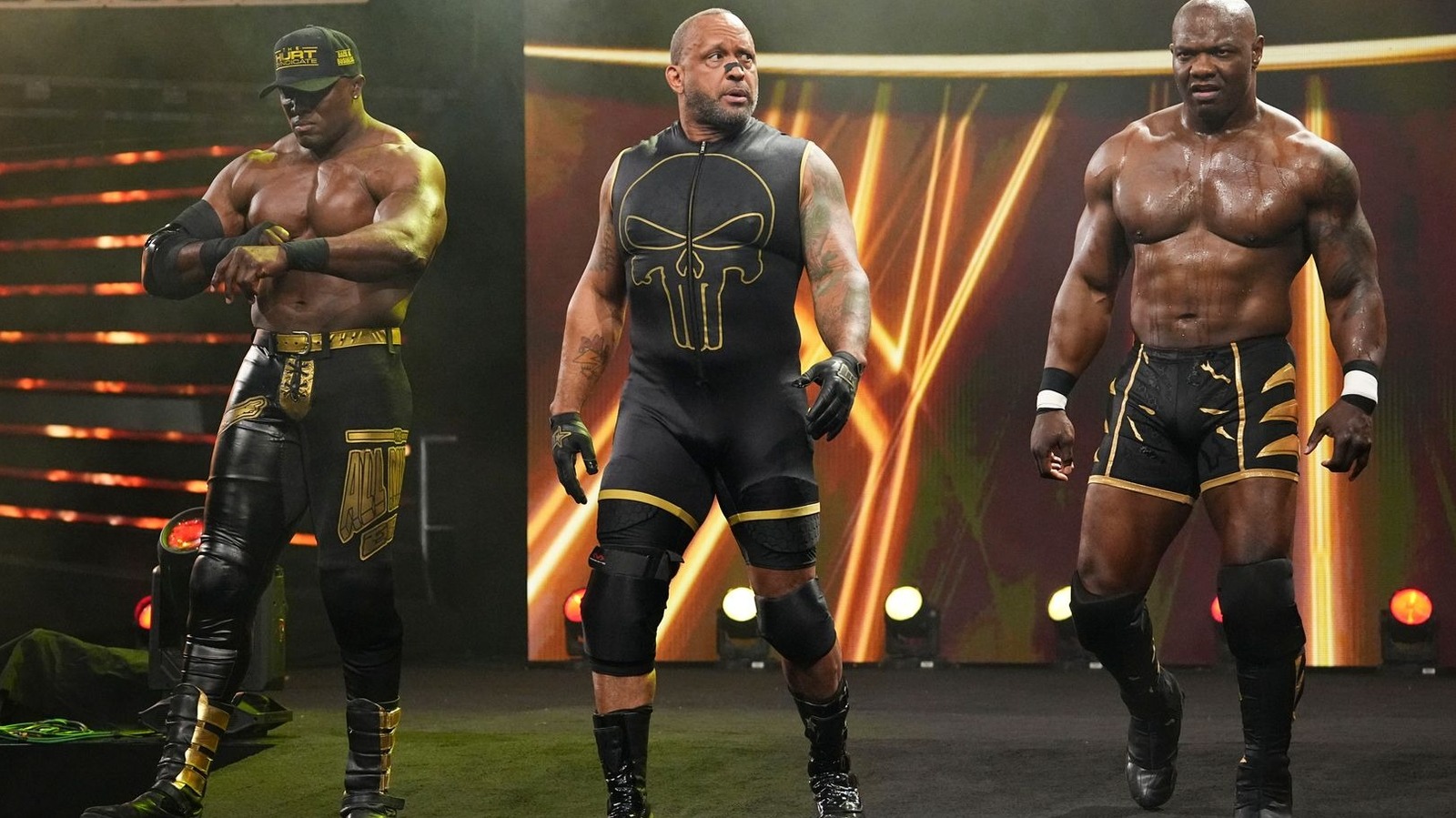
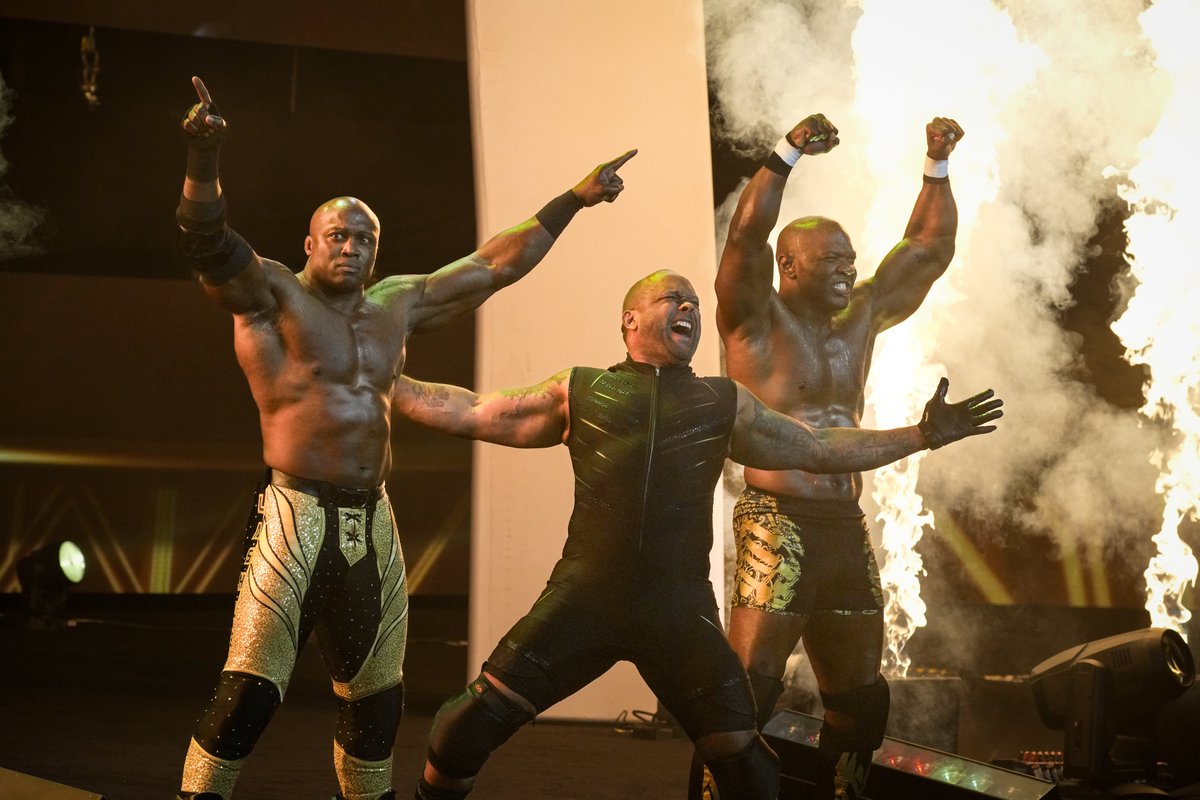
Look, I love nostalgia as much as the next guy who still owns a VCR to watch old episodes of Nitro, but there is a physical reality here that we can’t ignore. MVP is 52 years old. In wrestling years, that’s about 114. Seeing him stand next to physical anomalies like Bobby Lashley and Shelton Benjamin in the Hurt Syndicate is a masterclass in optics, but it’s also a reminder that one of these things is not like the others. Lashley looks like he was carved out of granite by a guy who had a grudge against body fat. Shelton is still doing things at his age that defy the laws of physics and gravity. MVP? MVP looks like the guy who signs their checks, and that is his superpower.
The Hurt Syndicate Reality Check
Let’s address the elephant in the room: the name. 'Hurt Syndicate' sounds like a name you’d find in a generic wrestling video game because the developers couldn't get the rights to the real thing. We all know what this is. It’s the Hurt Business with a different coat of paint and a Tony Khan budget. And while it’s great to see the boys back together, the magic isn't in seeing MVP take a 360-degree bump from a 20-year-old kid who wasn't even born when MVP was winning the US Title. The magic is in the promo. The magic is in the way he stares down Tony Schiavone like he’s about to evict him from the arena.
Every time MVP steps into the ring for a match lately, I find myself holding my breath, and not in the 'this is a classic' kind of way. It’s the 'please don't let his knee explode' kind of way. We’ve seen him lean on that cane for a reason. Pro wrestling is a young man's game, or at least a game for people whose joints haven't turned into a bowl of Rice Krispies. There’s no shame in it. Jay-Z doesn't have to sell drugs on the corner anymore to prove he’s a mogul, and MVP doesn't have to take a rolling elbow into a Code Red at the 14-minute mark to prove he’s a legend. He proved that years ago when he took a gimmick about a high-priced athlete and turned it into the most compelling mid-card run of the mid-2000s.
The critical observation here is that AEW is dangerously close to becoming a high-end retirement home if they don't handle these veteran runs with care. We’ve seen it before. A legend comes in, they get the big pop, they have three matches where they look a step slow, and suddenly the 'cool' factor starts to evaporate. MVP is too valuable to let that happen. He is the ultimate force multiplier. You put him with Lashley, and Lashley goes from a 'destroyer' to a 'megastar.' You put him with a younger guy like Swerve Strickland—who he’s been praising lately—and suddenly that segment feels like it belongs on the 11 p.m. news instead of a wrestling show. That’s the MVP effect. You don't need a singlet for that.
The Ghost of the Playmaker
Can we also talk about the Playmaker? If MVP retires from in-ring competition, we can finally, collectively, as a society, agree to never see that move again. It is, without a doubt, one of the most convoluted, 'what-is-actually-happening-here' finishers in the history of the business. It’s like a Rubik's Cube of legs and arms that ends with a mild face-plant. I love the man, but the move was a disaster in 2007 and it hasn't aged like fine wine. It’s aged like milk in a Florida sun. If his retirement means the permanent death of the Overdrive/Playmaker, then his health isn't just a concern—it's a blessing for the sport.
The Hurt Syndicate is about power, and you don't find power in a 450 splash. You find it in the man who controls the room.
Comparing this to what’s happening across the street in WWE right now is fascinating. John Cena is on his way out, but he’s doing the traditional 'one last tour' thing. He’s taking the losses, he’s putting the kids over, and he’s bowing out with a smile. MVP doesn't need that. His legacy isn't built on a 'Never Give Up' towel; it’s built on a 'You Can't Afford Me' attitude. He shouldn't be doing the job for every 180-pound flippy-guy on Dynamite just to say he had a farewell match. He should just stop. Just lean into the cane, tighten the suit, and let the Hurt Syndicate do the heavy lifting while he does the heavy talking.
The Legacy of the Hustle
When you look back at MVP's career, from the 343-day US Title reign to his time in New Japan as the inaugural Intercontinental Champion, it’s always been about the hustle. He’s a guy who reinvented himself multiple times and succeeded every single time. He’s the Bill Simmons of the ring—he knows the history, he knows the stats, and he knows how to frame a narrative better than anyone else. His health musings aren't a sign of weakness; they’re a sign of intelligence. He knows the odometer is hitting the red zone.
Think about the historical comparisons. We’ve seen the 'one match too many' syndrome ruin the aura of so many greats. Ric Flair’s various 'final' matches, the Undertaker’s struggle in the Saudi heat—it hurts to watch. MVP has the rare opportunity to walk away while he’s still the coolest guy in the room. He doesn't have to be the guy who gets 'one more match' chants from a sympathetic crowd. He should be the guy who gets 'shut up and listen' silence from a terrified crowd. That’s the peak. That’s the end-game.
So here’s the hot take for the sports bar: I don't want to see MVP wrestle again. Not even once. No 'one last time' tag match with Shelton. No 'Business Lounge' brawl that ends in a DQ. I want him to be the Bobby Heenan of this generation—the man who can win a feud without ever taking his blazer off. He’s already given us enough. He’s given us the Hurt Business, he’s given us the rise of Lashley, and he’s given us a decade of promos that should be taught in college. If his health is telling him to stop, we should be cheering. We’re not losing a wrestler; we’re gaining a permanent fixture of greatness at the commentary table or in the manager’s spot.
Pour one out for the 305, but don't cry. MVP isn't going away; he's just moving to the corner of the room where the real decisions get made. And honestly? None of us could afford the ticket to his next match anyway. Let him retire the boots, kill the Playmaker once and for all, and keep the mic hot. That’s the real business, and business is always good when MVP is the one talking.