The timeline behind the Hayter hold-up
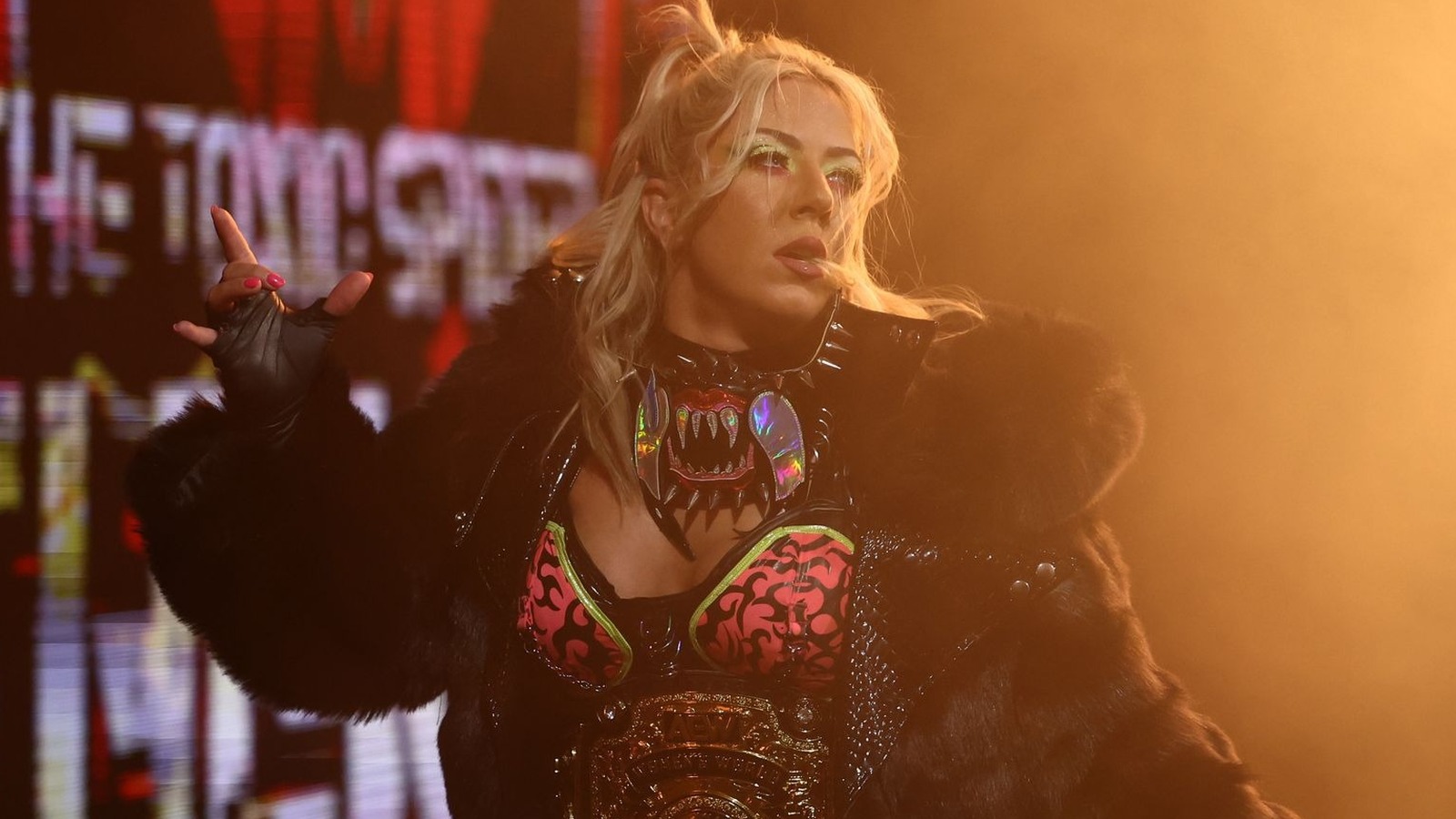
The status of Jamie Hayter has been a subject of intense speculation following the aftermath of the Dynasty event. Pulled from recent television tapings, Hayter addressed reports regarding her absence this week. She explicitly downplayed the severity of the situation, stating that it remains no big deal.
While internal concerns bubbled regarding her physical readiness, Hayter is already pushing back on the idea that this is a long-term layoff. The immediate goal is a return to AEW programming. Given her prominence in the women's division, any downtime creates a significant gap in the operational flow of the current roster.
Strategic impact and roster depth
AEW is navigating a sensitive period regarding talent availability. Between the high-profile friction involving TNA pulling talent from cross-promotional dates and existing injury reserves, the booking office has little room for error. When a flagship performer like Hayter is scratched, the ripple effect reaches across multiple storylines.
Promotions historically struggle when top-tier stars exit the rotation without clear notice. It forces mid-card performers into main-event slots, often disrupting the logical progression of titles. Fans are currently accustomed to seeing stable rosters, making any unexpected absence feel more jarring. The reliance on consistent delivery is essential for maintainable momentum heading into the summer months.
The reality of the recovery circuit
Injury management in modern wrestling has evolved from the old-school mentality of working through everything. Organizations are now more risk-averse, opting for precautionary rest to avoid catastrophic long-term shelf time. This philosophy—while sound for human longevity—remains a source of immense frustration for fans waiting to see programs culminate on major cards.
We have seen this play out before with various performers who required short-term hiatuses to manage accumulated wear and tear. Historically, the difference between a minor tweak and a major tear often comes down to the decision to pull a wrestler just before they push it too far. The medical staff at AEW has taken a cautious approach here, prioritizing the preservation of talent over the short-term benefit of a single match.
Where the booking goes from here
The absence certainly muddies the water for upcoming creative plans. With Double or Nothing set for late May, the window to re-establish programs for the women’s division is narrowing. If Hayter cannot make the card, the creative team faces an immediate scramble to find an opponent who can carry the same level of intensity without requiring a months-long lead-up.
One critical observation regarding the current direction is the lack of a clear backup plan for Hayter’s specific style. Her brawling-heavy approach and technical physicality are difficult to replicate on short notice. The booking team has shown a tendency to rely on specific names, and when those names disappear, the product quality often takes a noticeable dip while subordinates attempt to fill the void.
For now, all signs point to a swift return rather than a prolonged absence. The industry is watching to see if this ends up being a two-week reset or something more persistent. Stability remains the most valuable currency in wrestling, and Hayter represents a necessary anchor for the division’s success in 2026. Fans waiting for her return have been told to stay patient, as she remains confident in her immediate outlook.