The physical toll of the Opera Cup circuit
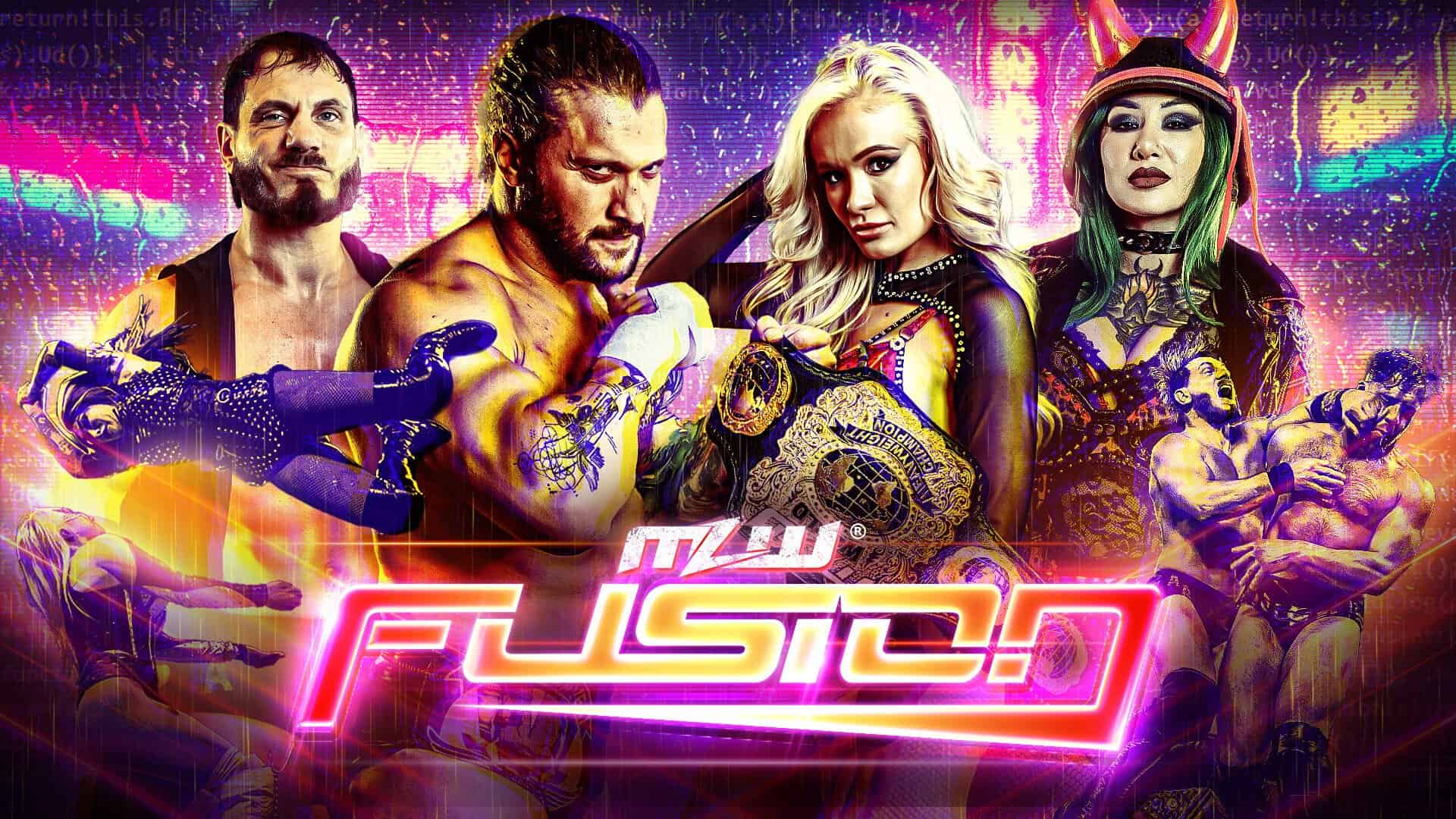
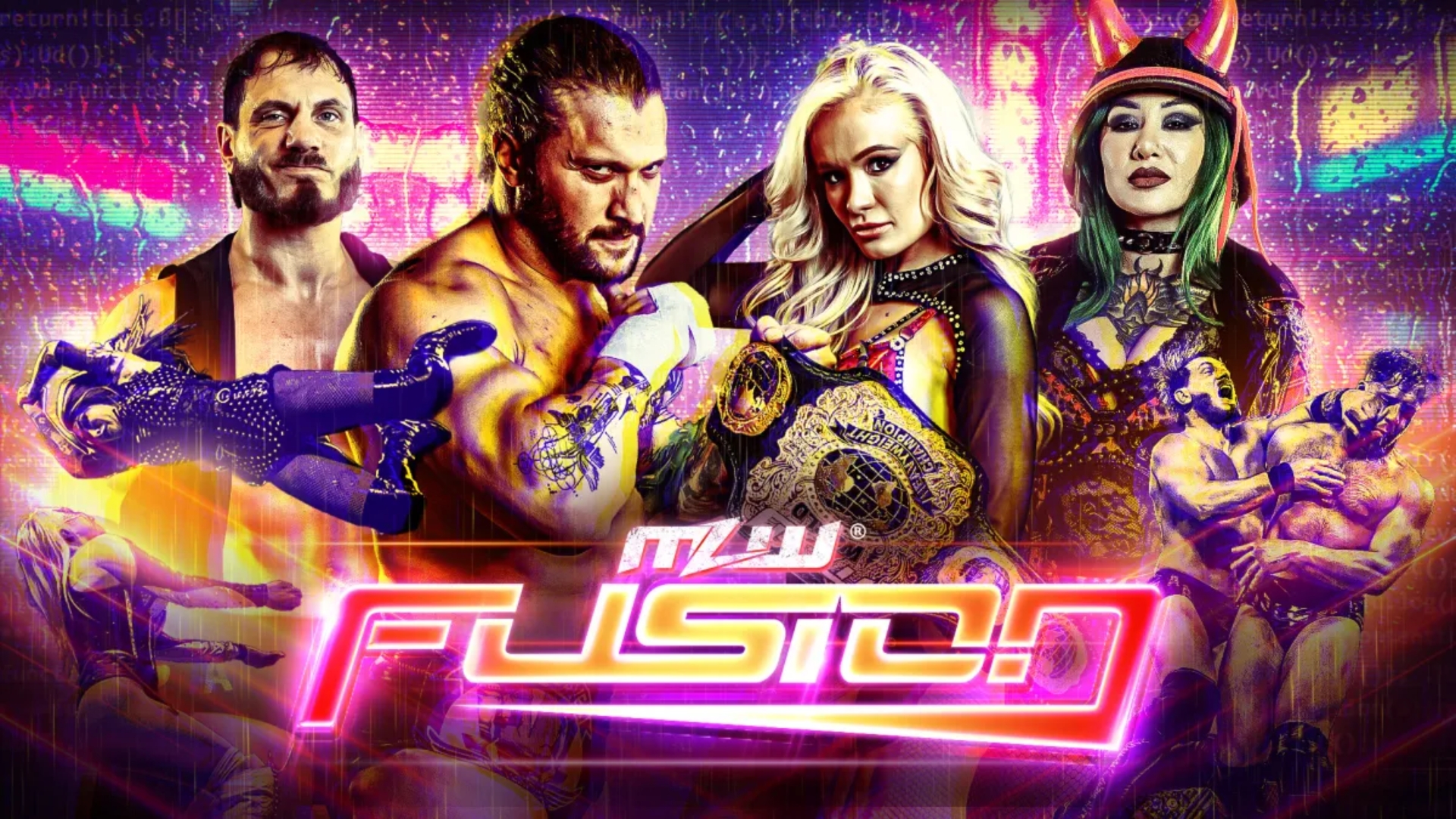
Professional wrestling remains a sport defined by attrition, and the recent Major League Wrestling Fusion tapings in New York City have highlighted emerging fitness hurdles for the promotion. As reported by PWInsider, the intensity of the June 11 event placed significant strain on the roster during a high-stakes series of matches, including the Opera Cup tournament phases.
Injury management for independent-style organizations often mirrors the high-impact demands seen at the New York Fusion tapings, where talent is expected to deliver premium athletics over a condensed recording schedule. While the specific medical diagnoses for individual performers remained internal immediately following the show, the sheer volume of high-risk spots—including a Street Fight—necessitates early evaluation for recovery protocols.
The strategic risk of mid-tournament physical tax
In the world of wrestling booking, the Opera Cup represents a prestige asset. However, the physical cost of hosting such a tournament under a television taping format creates a precarious scenario for talent longevity. When wrestlers are forced to perform multiple high-impact matches in a single window, the risk of cumulative micro-trauma increases exponentially.
Historically, promotions like MLW have balanced the need for buzz with the necessity of keeping key stars healthy for subsequent tours. If a top contender emerges from the New York tapings with a lingering limb issue, the ripple effect on the internal creative schedule could force rapid pivots. Booking an tournament finisher with a talent nursing a soft-tissue strain is a gamble that rarely pays dividends in the long run.
Evaluating the NYC street fight impact
The decision to include a Street Fight on the June 11 card serves as both a ratings driver and a distinct physical liability. These bouts, characterized by use of weaponry and lack of standardized regulation, often produce the highest volume of medical reports post-event. In the case of these specific tapings, the reliance on external objects increases the likelihood of lacerations or structural impact injuries.
Competitors like Mistico, Big Damo, and Shotzi Blackheart were featured prominently throughout the broadcast cycles originating from this week's tapings. The athletic output required to maintain the standards set during the Opera Cup indicates that performance intensity remains at a 100% peak. Sustaining this level of aggression across multiple tapings is rare, but the risk of burnout or acute injury—such as a torn meniscus or subluxation—must be actively mitigated by onsite medical staff.
Market pressure and industry implications
MLW operates in a crowded market where television space is a currency that demands constant spectacle. By prioritizing high-octane matchups in New York, the promotion generates the viral clips required to sustain interest, yet it sacrifices a period of rest for talent. For the industry at large, the move signifies a return to aggressive, tape-heavy scheduling that was common in the pre-pandemic era of touring wrestling.
This aggressive booking philosophy has a distinct downside: talent churn. When performers are worked this hard without a structured rotation, the quality of matches inevitably dips as fatigue sets in. Monitoring the follow-up status of those involved in the recent Opera Cup matches will offer direct insight into how the promotion manages its most valuable capital. If these performers miss scheduled independent bookings in the coming month, it effectively confirms the toll of the current TV cycle.
Ultimately, the promotion is banking on the endurance of its roster to bridge the gap between episodes. Whether these competitors can maintain current velocity is a secondary concern to the league's front office, which prioritizes the immediate delivery of high-impact television. The window of recovery will likely span 14 days before the next major cycle, a narrow margin for anyone dealing with the post-match inflammation typical of these high-intensity settings.