Piper Niven speaks out on long-term health outlook
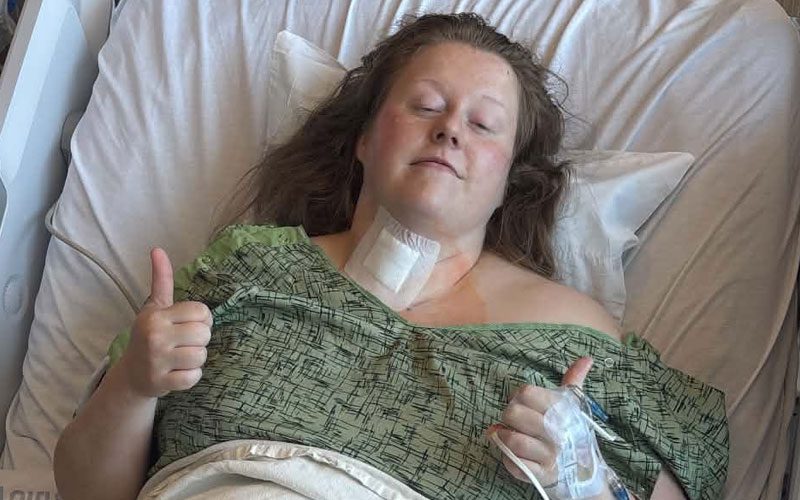
Piper Niven has emerged to clarify her status following concerns regarding a potentially career-ending neck injury. Fans began speculating about her future in the ring after she underwent surgery, prompting a wave of uncertainty regarding when she might be cleared for competition. Niven took to social media to directly address this chatter, aiming to shut down the narrative that her time as an active wrestler is nearing an end.
Surgery on the cervical spine is inherently risky for professional athletes. For wrestlers, who absorb high-impact bumps to the neck and shoulders, the recovery process requires meticulous rehabilitation to ensure stability in the vertebrae. While Niven has not provided a specific date for her return, the fact that she is communicating directly with supporters suggests she is currently focusing on physical therapy and non-contact movement exercises.
The medical stakes of cervical procedures
Neck injuries have historically been the most volatile setbacks in professional wrestling. Performers such as Kurt Angle and Edge have faced complications stemming from disc issues, forcing drastic changes to their move sets to extend their time on air. Unlike a torn pectoral or a knee injury, the neck represents the central nerve hub of a performer’s physical capacity, making any recovery period a cautious one for the medical staff.
The current challenge for Niven is rebuilding strength in the trapezius and surrounding musculature to support the surgical site. Sources close to the performance center indicate that clearance is usually granted in 6 to 9 months for similar procedures, provided there are no setbacks during the transition from light cardio to ring drills. Expecting an immediate return to the style she displayed before her hiatus is unrealistic; high-impact maneuvers like the Piper Driver will likely be modified or phased out entirely.
Strategic movement in the women's division
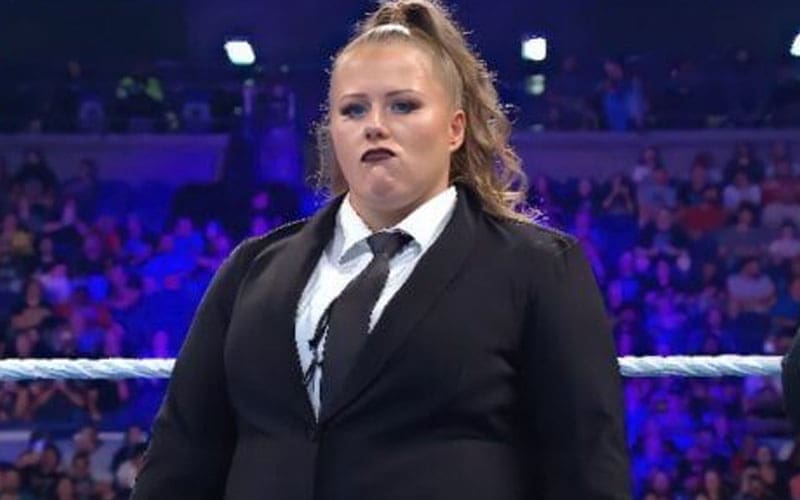
Niven’s absence leaves a hole in the mid-card hierarchy. She had carved out a role as one of the most reliable power-based heels in the women's division, capable of working with any opponent to provide a physical challenge. Without her, the division loses a specific type of match-up that typically tests more technical performers, forcing a shift in how storylines are constructed for the upcoming summer loop.
Booking teams now face the task of elevating other heavy hitters to fill the void. This represents a lost opportunity for momentum, as Niven was hitting her stride in tandem with Chelsea Green. The team dynamic relied heavily on Niven’s ability to act as the enforcer, and without her, Green’s character work becomes more isolated and potentially less effective.
Management has not issued an official update on when she will report back to the Performance Center for full-contact training. The priority remains medical clearance first, creative planning second. Any suggestion that she is finished altogether is, according to her own recent comments, premature and unsupported by her current recovery trajectory.
Historical context and the long road back
Recovery timelines for major surgeries are never linear. Historically, talent who attempt to rush back from neck issues often face recurring soreness that leads to extended secondary absences. Wrestlers such as Steve Austin, who famously dealt with spinal stenosis, serve as a reminder of how high the stakes are for athletes who endure repetitive impact strain. The industry trend has moved toward a more conservative approach in the last five years, with doctors prioritizing career longevity over short-term narrative needs.
Fans expecting a surprise appearance in the next month are likely looking in the wrong direction. The goal for Niven is to return to a baseline of health that allows for a full-time schedule, not a one-off performance that could jeopardize her long-term mobility. Watching the recovery of others who returned from similar surgeries, such as the rehabilitation protocols used for recent spinal cases reported by Ringside News, reinforces that patience is the only path forward. Every week she spends in the gym represents progress, but the transition to live television competition remains the final, and most difficult, hurdle to cross.