
Great American Bash 1996 remains a masterclass in WCW entropy
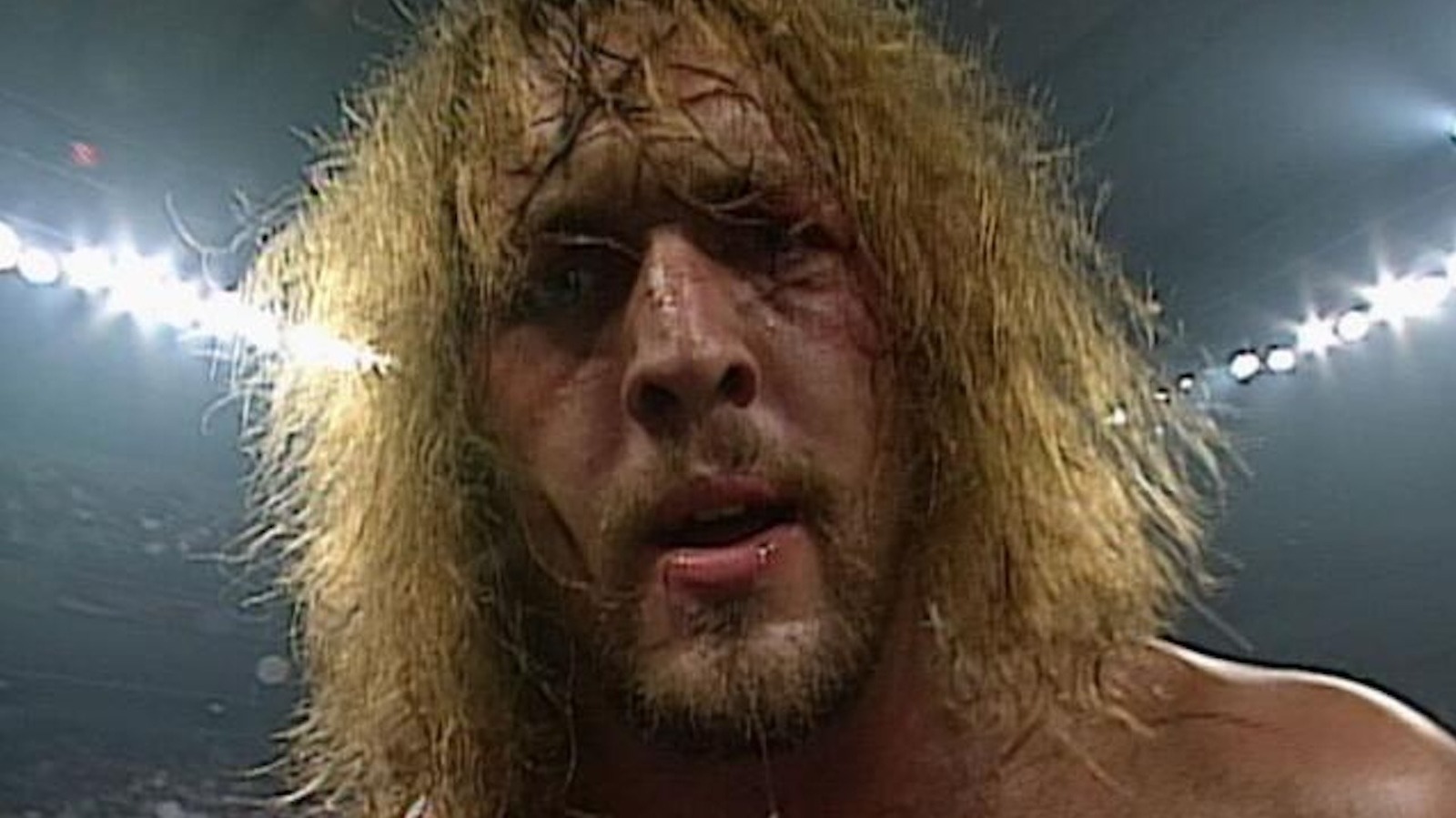
The messy anatomy of a 1996 classic
Three decades later, the 1996 edition of WCW Great American Bash serves as a fascinating autopsy of a promotion caught between creative brilliance and self-sabotage. Watching the card today, the spacing and pacing issues are glaring. WCW had the talent, but the structural integrity of their booking consistently failed to support the quality of the in-ring output.
The event is often cited through rose-tinted lenses, but a statistical breakdown of the card reveals significant fatigue. As recent retrospectives highlight, the reliance on dusty finishes and non-decisive outcomes was a clear mark of a promotion afraid to commit to a singular direction. We saw matches dragged down by interference that neutralized the legitimate heat generated during the opening ten-minute stretches.
The failure of the mid-card narrative
The mid-card of this show represents perhaps the most egregious example of wasted potential. When you put workers like Dean Malenko and Rey Mysterio in a position where their technical output is cannibalized by booking requirements, you lose the audience by the midpoint. The finish of their bout lacked the surgical precision that defined their encounters in later years.
Instead of clean hooks, we were subjected to the kind of interference-heavy endings that plagued the era. It speaks to a larger issue where Eric Bischoff and his team favored the shock of a post-match angle over the legitimacy of a contested win. When the finish of a match serves only to promote a future Nitro segment, the internal logic of the live event evaporates.
Sting and Benoit: A case study in nuance
There were flickers of genuine urgency, particularly during the Sting versus Chris Benoit clash. Both competitors operated with a 90 percent efficiency rate in their transitions, hitting sequences that felt years ahead of their time. Benoit’s aggression forced Sting to abandon his usual high-flying pacing to ground the match in a more psychological, limb-targeting approach.
Yet, even this high-water mark suffered from the promotion’s broader refusal to move away from tired tropes. The finish fell flat, failing to capitalize on the sustained momentum built during the previous fifteen minutes. It is a recurring issue in 1996 WCW: the ability to build, but the utter inability to provide a satisfying pay-off that doesn't feel like a placeholder for the next television taping.
The weight of the bottom line
Reflecting on the card with modern sensibilities, it is clear that the promotion was bleeding equity. As noted in current industry analysis regarding talent exoduses, when the infrastructure of a company shifts toward securing quarterly metrics rather than long-term character arcs, the product stalls. The Great American Bash 1996 was exactly that: a stalling tactic.
The reliance on the nWo angle was still lurking on the horizon, but the cracks were visible in every underwhelming tag team exchange and non-finish that night. While we can look back with nostalgia for the era, we must acknowledge that WCW was, even then, sacrificing its own foundation for the sake of short-term noise. It is the same trap we see today when established stars like Cody Rhodes find their momentum stifled by repetitive booking loops that prevent genuine character growth.
Ultimately, the show is evidence that a stacked roster cannot overcome a lack of commitment to finishing movements cleanly. If we take anything away from the 1996 tape, it is that a promotion survives on the quality of its narrative resolution. When that is absent, all the technical prowess in the world is just background noise in an empty, echoing arena.
WWE Championship Mini Replica Title Belt
All the prestige of the WWE title, but sized perfectly for your shelf.
Frequently Asked Questions
Why is the 1996 Great American Bash considered a failure in booking?
What issues affected the mid-card matches at the 1996 event?
How did the Sting versus Chris Benoit match play out?
What was the broader creative strategy of WCW in 1996?
Why does the 1996 Great American Bash demonstrate WCW's internal decline?
More Coverage
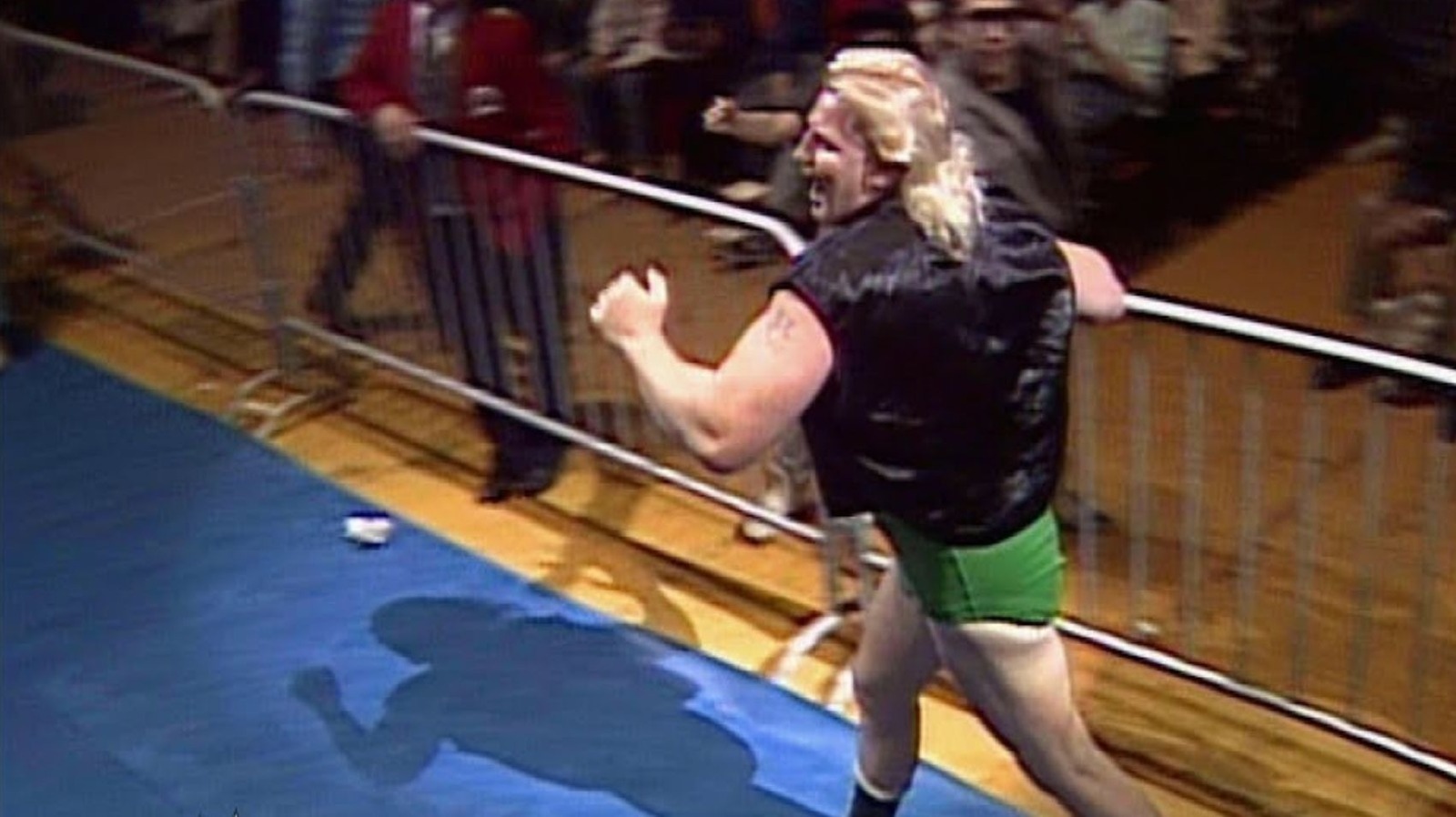
Remembering Pete Doherty: The quintessential heel of a bygone era
9 hours ago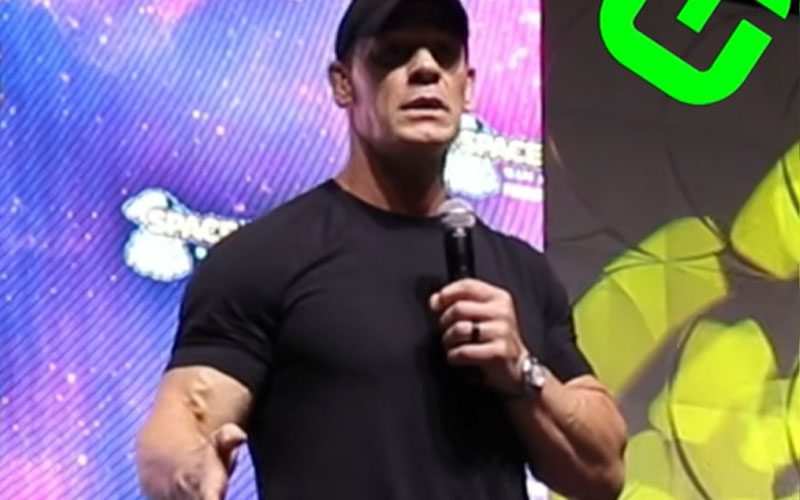
John Cena’s wrestling legacy is far more than his win column
11 hours ago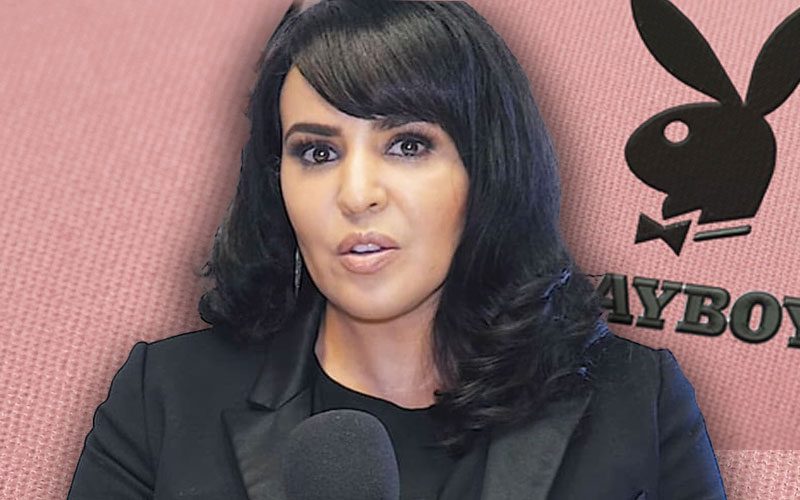
Layla chose her dignity over a massive Playboy payday
13 hours ago
Layla is right: Stop pretending the Divas era was just eye candy
13 hours ago
Why we need to stop romanticizing the 2010 WWE roster
13 hours ago
The Finlay footprint remains visible on the modern women's division
13 hours agoMore Analysis
Allie heading back to TNA is the smartest move of her career
2 hours ago
TNA is bleeding talent and their exit strategy is failing
4 hours ago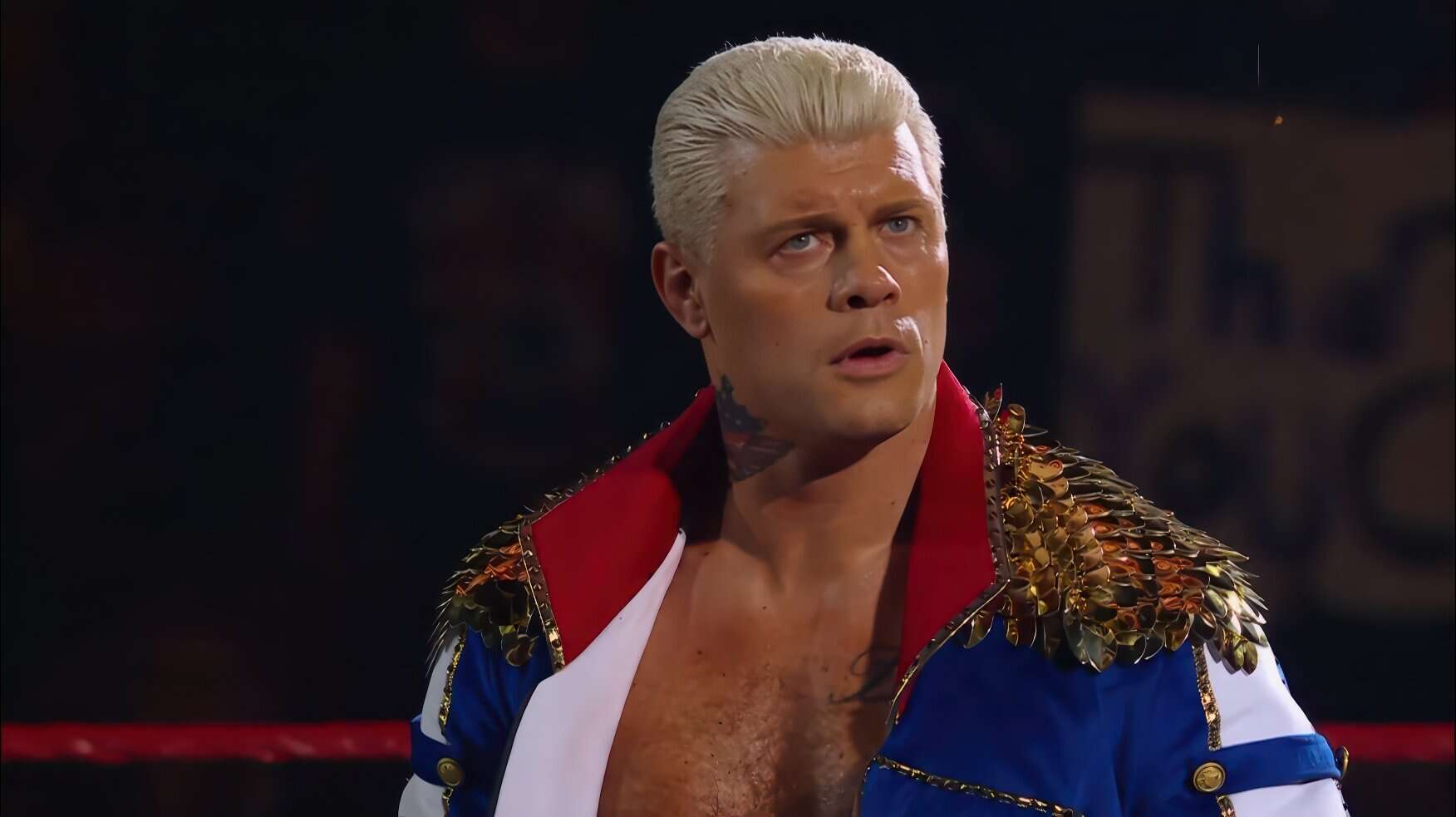
Cody Rhodes has peaked, and the storytelling is turning stale
4 hours ago
UFC Freedom 250 and the scariest headline in sports history
5 hours ago