The Great Debate: Applause Chasers vs. Star Power Purists
The wrestling world is buzzing, and as usual, Maxwell Jacob Friedman, MJF, is right in the eye of the storm. Never one to mince words or shy away from controversy, the self-proclaimed 'Salt of the Earth' recently dropped a verbal atomic elbow, labeling modern wrestlers as 'stupid' for fixating on cheap pops and applause instead of cultivating genuine, lasting star power. It's a critique that cuts deep, echoing sentiments often whispered by veterans but rarely shouted by current top-tier talent. This isn't just MJF being MJF; it's a spotlight on a foundational schism within the very soul of professional wrestling.
But is MJF's scathing assessment entirely fair? The landscape of wrestling has shifted dramatically. While some decry the perceived lack of larger-than-life characters, others point to the relentless, high-octane in-ring action that defines the current era. It begs the question: What truly defines a 'star' in 2026? Is it the roar of the crowd for a breathtaking dive, or the quiet anticipation for a single, impactful promo?
MJF's Harsh Reality Check: The 'Stupid' Pursuit of Applause
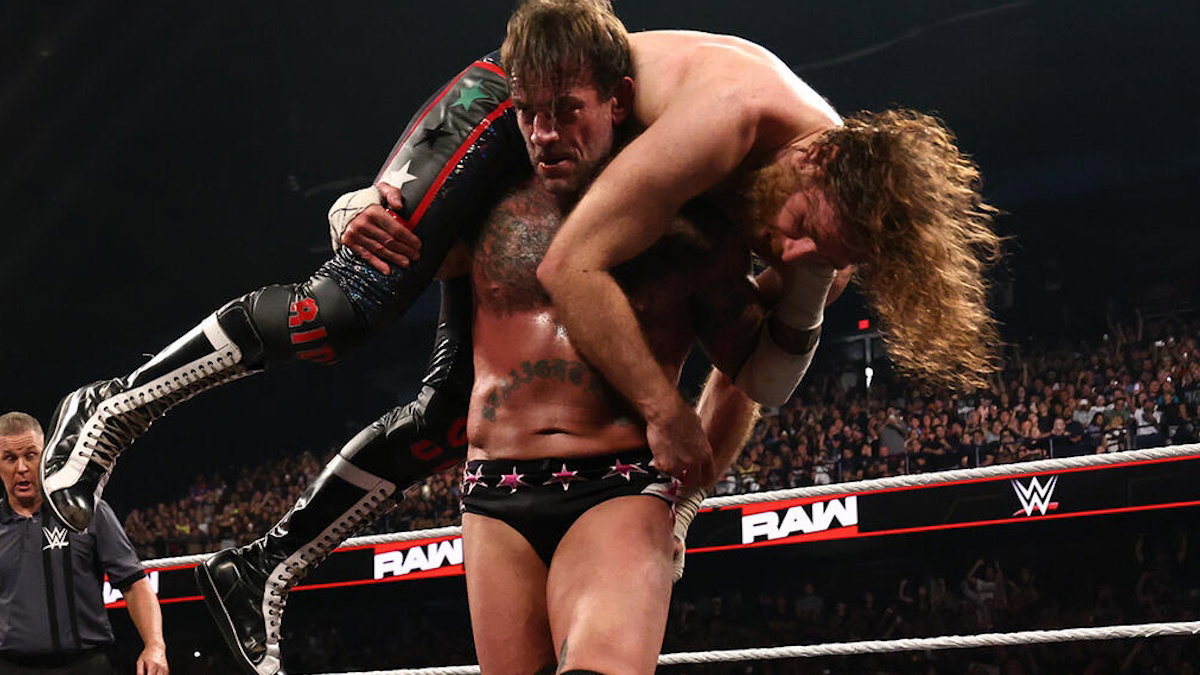
MJF’s comments, reported by Ringside News, were a direct shot at what he perceives as a fundamental flaw in today’s wrestling philosophy. He argues that too many performers are chasing the fleeting gratification of a crowd reaction, whether it’s for a complex series of reversals, a dangerous high spot, or a rapid-fire sequence of finishers. This 'applause chasing,' in MJF's view, comes at the expense of developing the intangible qualities that forge true star power – charisma, presence, mic skills, and the ability to command an audience without relying solely on athletic fireworks.
Think about it: how many incredible athletes can execute a perfect Canadian Destroyer but can't string two coherent sentences together on a microphone? How many matches are filled with spectacular moves, yet lack the emotional narrative to make them truly memorable? MJF’s argument taps into a frustration that many fans and industry insiders share. In an era where every indie show clip goes viral, the temptation to create 'GIF-able' moments can overshadow the slower burn of character development and long-term storytelling. The quick hit of online approval often trumps the arduous journey of building a career-defining persona.
It’s a valid concern. The shift from territory days and episodic television to an internet-driven, highlight-reel culture has undoubtedly influenced what gets 'over.' Wrestlers are often incentivized by social media engagement as much as, if not more than, main event slots. This immediate feedback loop can inadvertently steer performers away from the nuanced art of captivating an audience for an entire match or an entire segment, pushing them towards maximizing isolated bursts of excitement.
The Unsung Architects: Hayes, Roode, and the Backstage Brain Trust
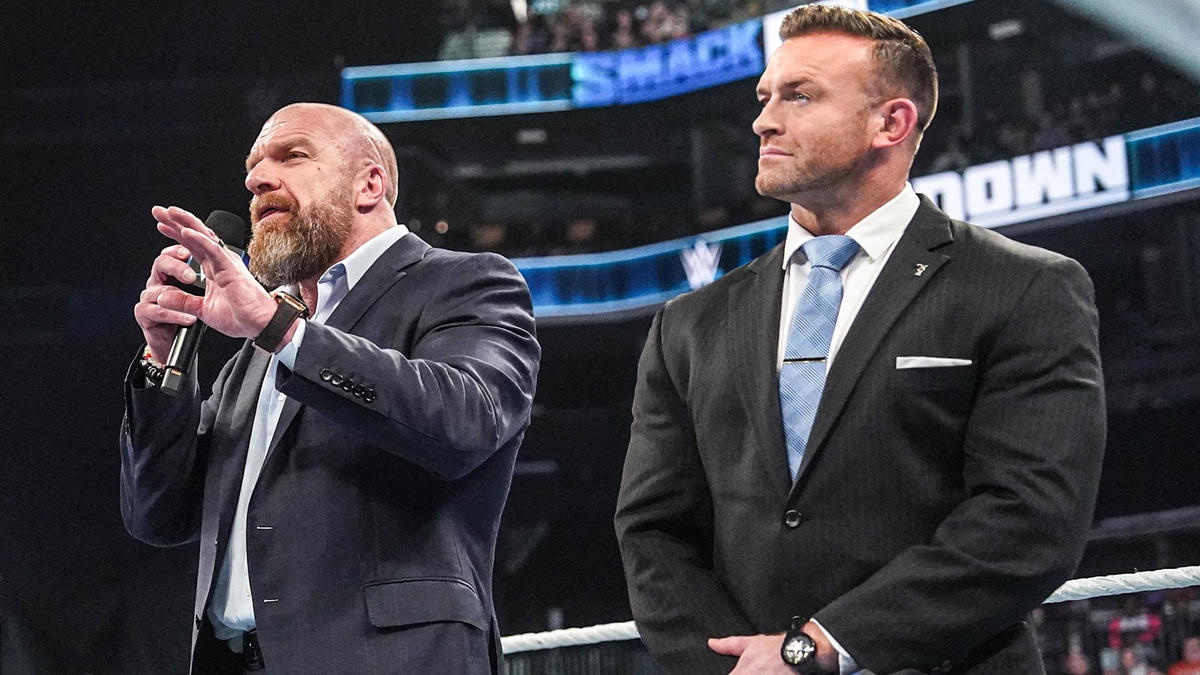
In stark contrast to MJF's public evisceration of modern trends, WWE's head honcho, Triple H, recently lauded two of the company's most vital, yet often unseen, forces: producers Michael "PS" Hayes and Bobby Roode. On an episode of "What Do You Want to Talk About?," as reported by Wrestling Inc, The Game heaped praise on these veterans, highlighting the critical, behind-the-scenes work that underpins WWE's polished product. This offers a potent counter-narrative to MJF's lament, reminding us that "star power" isn't solely built in the ring or on the microphone; it's meticulously crafted and safeguarded by experienced hands backstage.
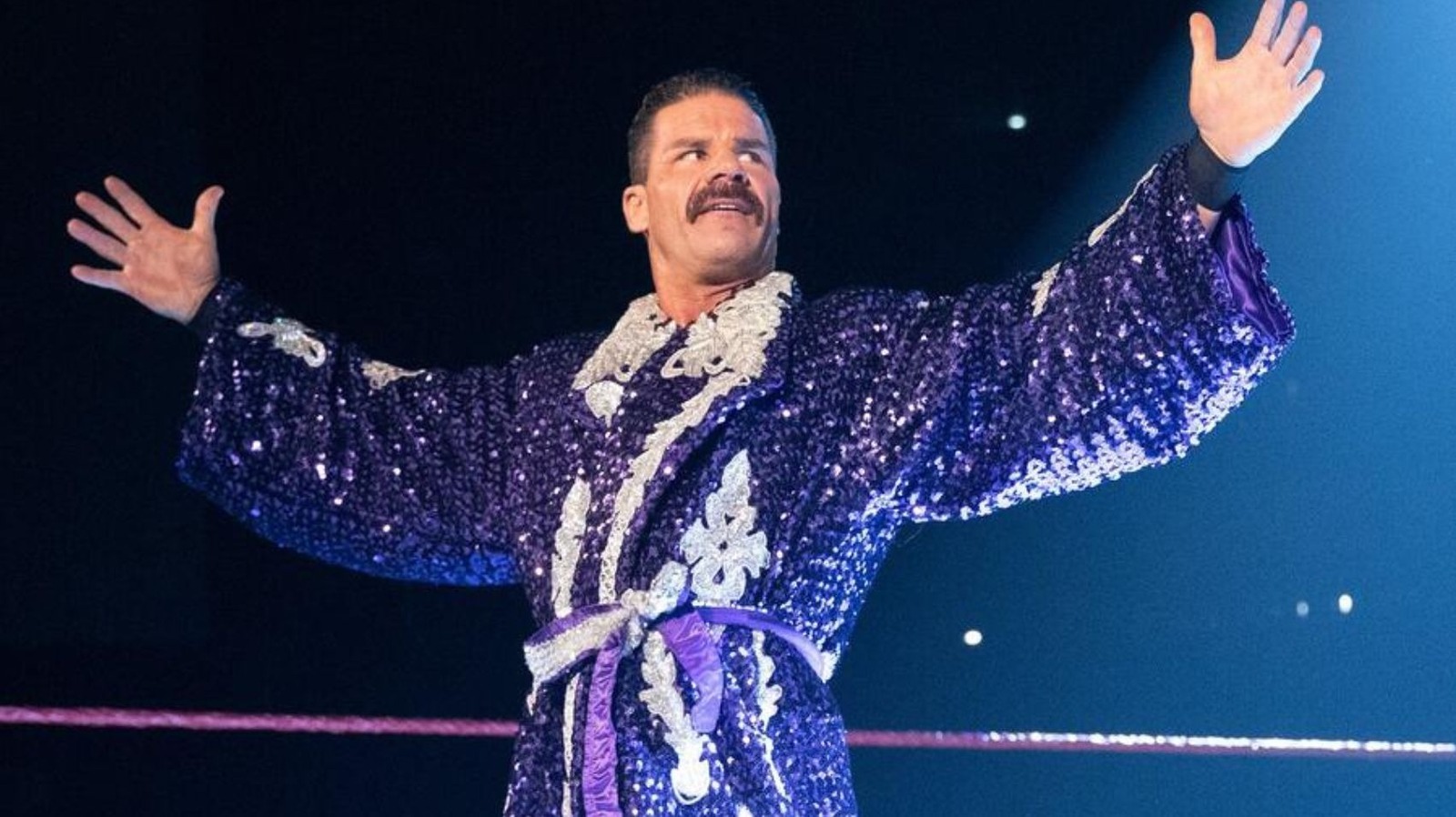
Michael Hayes, a legendary figure from The Fabulous Freebirds, embodies the old-school understanding of character and crowd psychology. His role as a producer involves guiding wrestlers, structuring matches, and ensuring every segment contributes to a larger narrative. He’s teaching the psychology that translates into lasting impact, not just fleeting cheers. Bobby Roode, a highly respected in-ring technician and former NXT Champion, transitioned into a producer role, bringing a contemporary understanding of performance combined with the fundamental principles of storytelling. These individuals are the guardians of that elusive 'star power' MJF champions, ensuring that the athleticism serves a purpose beyond mere spectacle.
Their work is about protecting the long-term viability of talent, shaping their presentation, and finessing the small details that elevate a good match to a great one, or a talented wrestler into a bonafide star. This backstage infrastructure is precisely what helps prevent "applause chasing" from devolving into meaningless acrobatics. It's the often-thankless task of maintaining the integrity of the performance and the narrative, a crucial element in building the kind of stars that headline WrestleManias for decades.
Gunther: The Exception or the New Standard?
Amidst this ongoing philosophical battle, one name frequently surfaces as a benchmark for excellence: Gunther. WWE commentator Michael Cole, echoing the sentiments of many, recently declared Gunther 'the best on the planet' right now, hailing him as a former World Heavyweight Champion. This kind of unequivocal praise, reported by Wrestling Inc, places the Austrian powerhouse in a unique position within the current wrestling landscape. Does Gunther, with his clinical precision and brutal efficiency, fall into MJF’s category of "applause chaser"? Absolutely not.
Gunther's dominance is built on a foundation of undeniable in-ring ability, a menacing presence, and a complete lack of reliance on crowd-pleasing antics. He doesn't execute flashy dives or unnecessary flips. His matches are wars of attrition, characterized by devastating chops, powerful submissions, and a relentless, methodical pace. He earns respect, and the crowd's reaction, through sheer physical superiority and an aura of invincibility. His recent, record-breaking Intercontinental Championship reign solidified his status as a main event player, not by pandering, but by conquering.
He is a testament to the idea that true star power can still be built on traditional principles of in-ring mastery and a compelling, no-nonsense persona. Gunther doesn't need to chase applause; the applause chases him, a byproduct of his commanding performances. He represents a potent counter-argument to MJF's blanket statement, demonstrating that some modern wrestlers are indeed prioritizing substance over fleeting spectacle, with profound success.
The Shifting Definition of Stardom
The wrestling world, much like any other entertainment medium, is in a constant state of evolution. While MJF’s critique of "applause chasing" certainly holds water in some instances, it might overlook the inherent demands of a global audience with diverse preferences. Not every wrestler is built to be a Stone Cold Steve Austin or a Hulk Hogan, nor should they be. The beauty of modern wrestling lies in its variety, from the high-flying spectacles that captivate younger audiences to the brutal, technical clinics that appeal to purists.
However, the danger lies in the potential for quantity over quality, for viral moments to eclipse sustained storytelling. The challenge for today's performers, and for the industry's backstage architects like Hayes and Roode, is to find that delicate balance. How do you integrate breathtaking athleticism with compelling character work? How do you generate organic "star power" in an age of instant, often superficial, gratification? The answer likely isn't a one-size-fits-all solution, but a continuous effort to blend the best of the old school with the undeniable innovations of the new. The debate MJF sparked is a vital one, forcing everyone to reconsider what it truly means to be a wrestling star in the 21st century.
Read Next
- WWE producers and Gunther are saving wrestling from MJF’s 'stupid' generation
- Michael Cole is right about Gunther and it is time we admit it
- MJF is playing a dangerous game going dark after Dynasty
- WrestleMania 41 is the most high-stakes gamble in Triple H’s career
- ⚡ AEW Dynasty 2026 — Full Coverage Hub
- 🎲 AEW Double or Nothing 2026 — Full Coverage Hub