Measuring Pivot Success
In professional wrestling, a pivot is not just a gimmick change—it is a race against relevancy. WWE has a documented history of burying talent under abysmal creative, forcing performers to claw their way back from the brink of jobber status.
This list ranks ten instances where a character shift rescued a career from the trash heap of poor booking. We analyzed long-term crowd reaction, merchandise trajectory, and main-event placement to establish these rankings.
The Ranking Logic
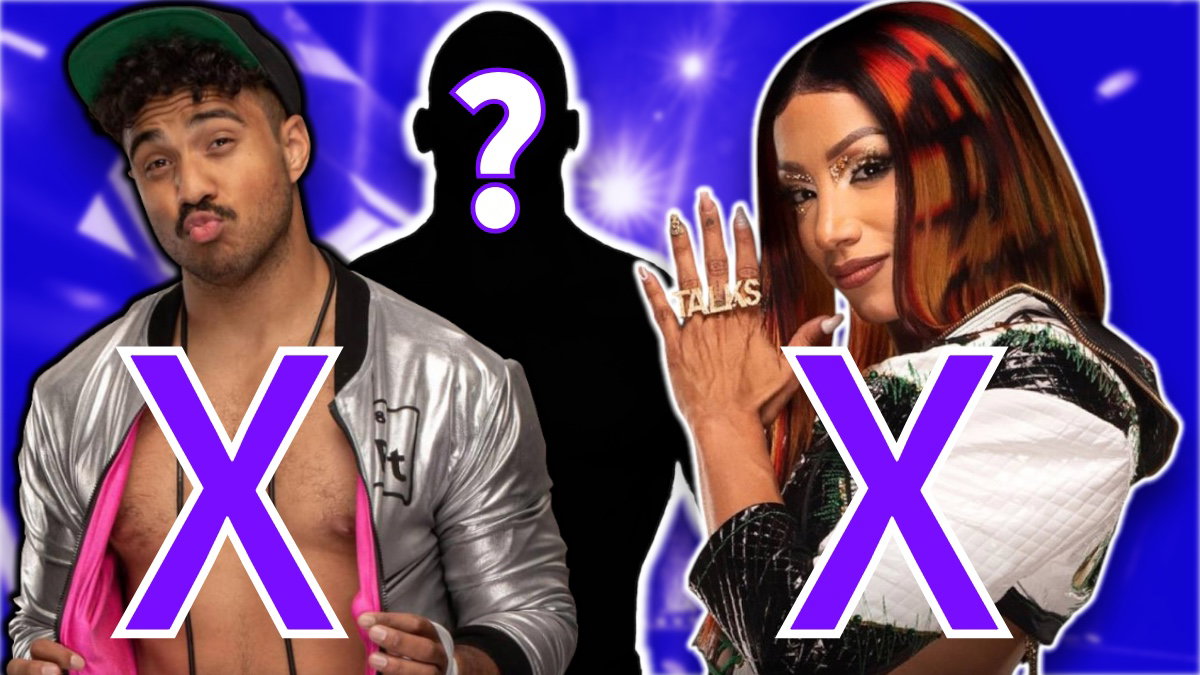
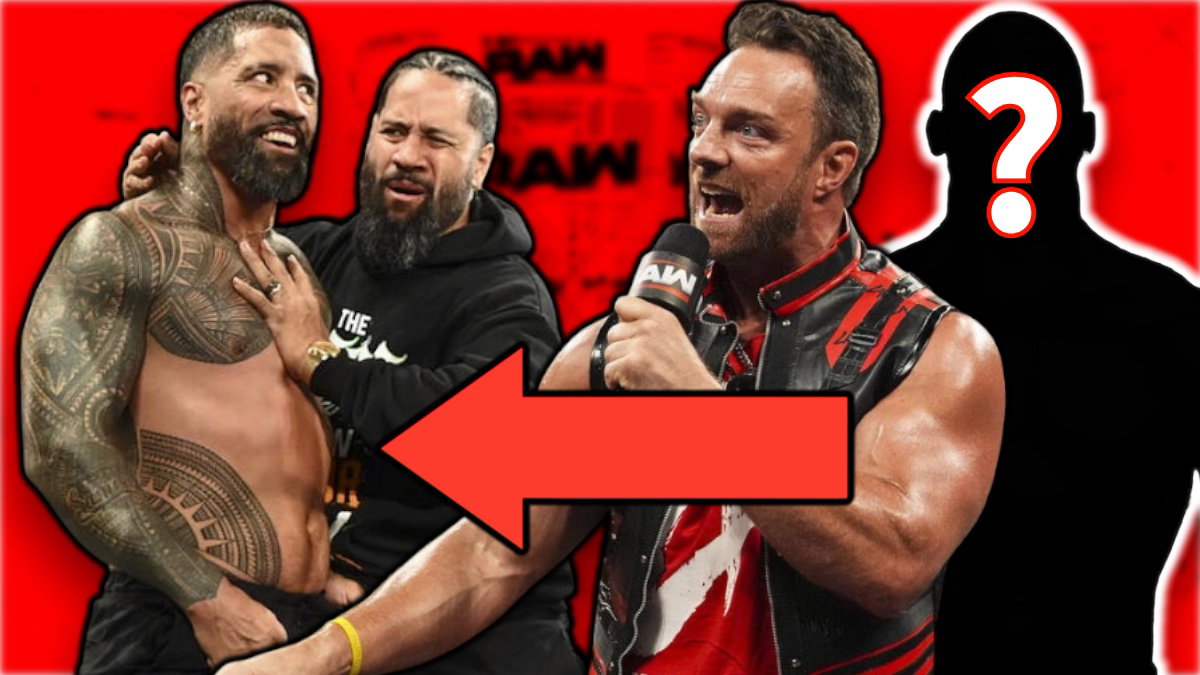
- LA Knight (Max Dupri to LA Knight): The transition from the lead of the Maximum Male Models to his authentic self remains the gold standard. Knight described his tenure as Max Dupri as mental torture and career suicide. The shift allows him to utilize his natural mic work, which is his primary asset. Ranking him at the top is undeniable given his current status as a top-tier merch seller. Nothing screams success like organic crowd chants forcing a company push.
- The Rock (Rocky Maivia to The Rock): Rocky Maivia was dead on arrival, suffering under the constraints of a generic blue-chipper persona. Once the crowd turned, the transition to the Corporate Champion and then the People's Champion redefined the attitude era. It ranks second only because his ceiling was higher, but the initial failure was arguably harder to watch than Knight's.
- JBL (Bradshaw to JBL): transitioning from an APA brawler to a Wall Street tycoon was a massive leap. It showcased range that nobody expected from the Texan. He dominated the world title picture for nearly a year during 2004-2005. It earns this spot for being one of the most profitable character shifts in the company's fiscal history.
- Kane (Isaac Yankem/Fake Diesel to Kane): Issac Yankem was a bottom-tier dentist role that would have killed a lesser performer. Rebranding as the Undertaker’s brother gave him a legendary debut at Badd Blood. It is a masterclass in how a serious aesthetic overshadows mid-card comedy.
- Triple H (Hunter Hearst Helmsley to DX): Going from a blue-blood snob to a counter-culture rebel was the defining moment of 1997. It gave him the edge he needed to shift from mid-card prestige to the world championship. It paved the way for his entire future as a top-level engine.
- Cody Rhodes (Stardust to The American Nightmare): Stardust wasn't just a bad character; it was a cosmic joke that made him quit the promotion. Rebranding on the independent circuit and returning to finish the story is a rare long-form narrative success. It proves that character equity can be recovered outside of the company system.
- Becky Lynch (Lass Kicker to The Man): Before 2018, Lynch was a lovable underdog with a low ceiling. Turning heel during a rivalry with Charlotte Flair triggered an unstoppable surge of fan support. It is the best example of a character shift that kept its core identity but sharpened its teeth.
- Goldust (Dustin Rhodes to Goldust): Dustin Rhodes taking on a surrealist, androgynous persona in 1995 was a huge risk. It shouldn't have worked, yet he turned it into a decade-long career pillar. It ranks lower only because the content itself hasn't aged well in the modern era.
- Test (The Test run to Test): Test saw a brief spike as a main eventer after his run with the McMahon-Helmsley era. He remains a middle-of-the-pack choice because his peak was short-lived despite the booking investment. It is a reminder that even good character shifts require sustained momentum.
- Isaac Yankem (Wait, no): Glenn Jacobs makes the list twice. Moving from the Fake Diesel character—a lazy recycling of Kevin Nash—was the only way to save his career at that specific time. He barely edges out other failed experiments due to the sheer desperation of the booking at that moment.
The Big Picture
Character pivots reveal the fragility of the wrestling industry. When a performer is forced into a box that doesn't fit, the result is usually career suicide or complete stagnation.
These ten moments show that sometimes, the best booking decision is simply letting a performer be themselves. Management frequently misses this mark, choosing to force scripts over organic charisma.
Honorable Mentions
Umaga rising above the Jamal persona remains a missed opportunity for longer title reigns. Similarly, the shift from Waylon Mercy to a more grounded character could have been handled better, but the timing was always off. We are still waiting for a credible explanation regarding why top-tier talents are shelved in stale gimmicks for as long as they are.