The hardcore legend pivots to film
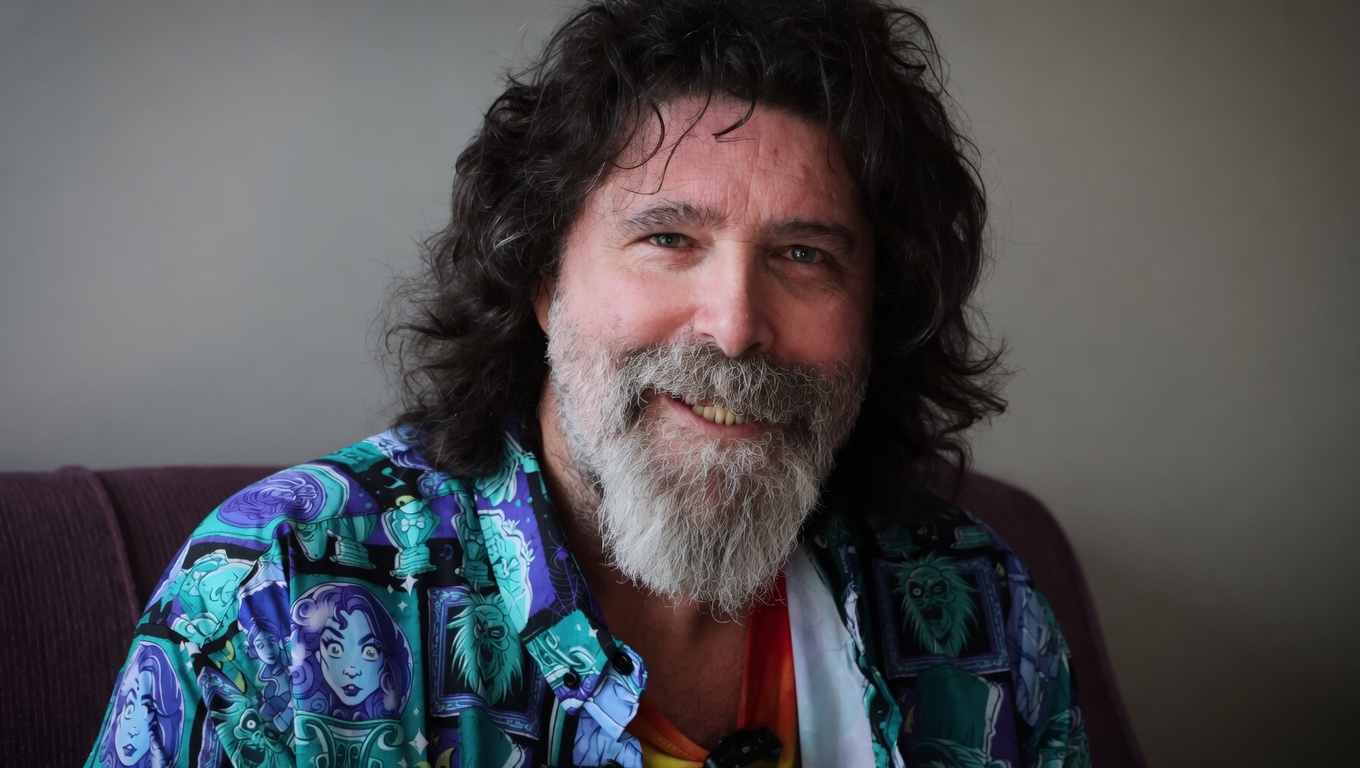
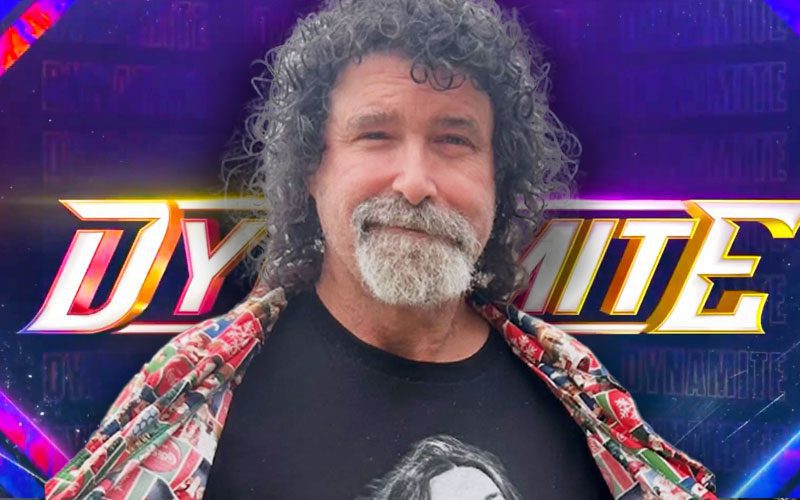
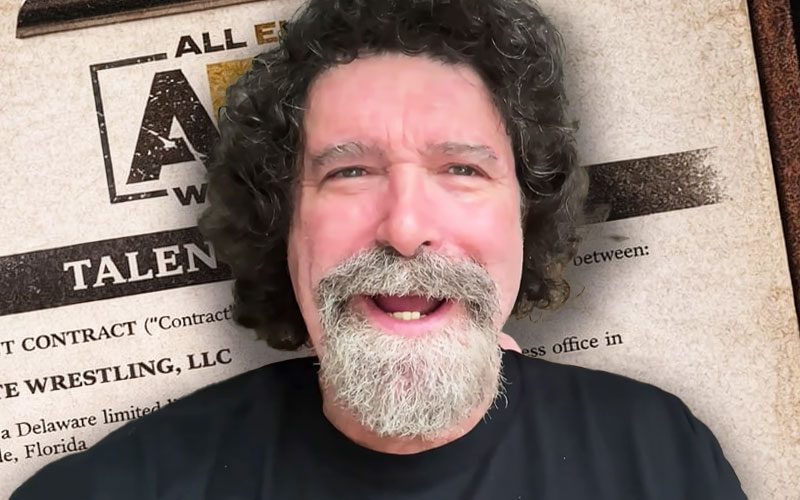
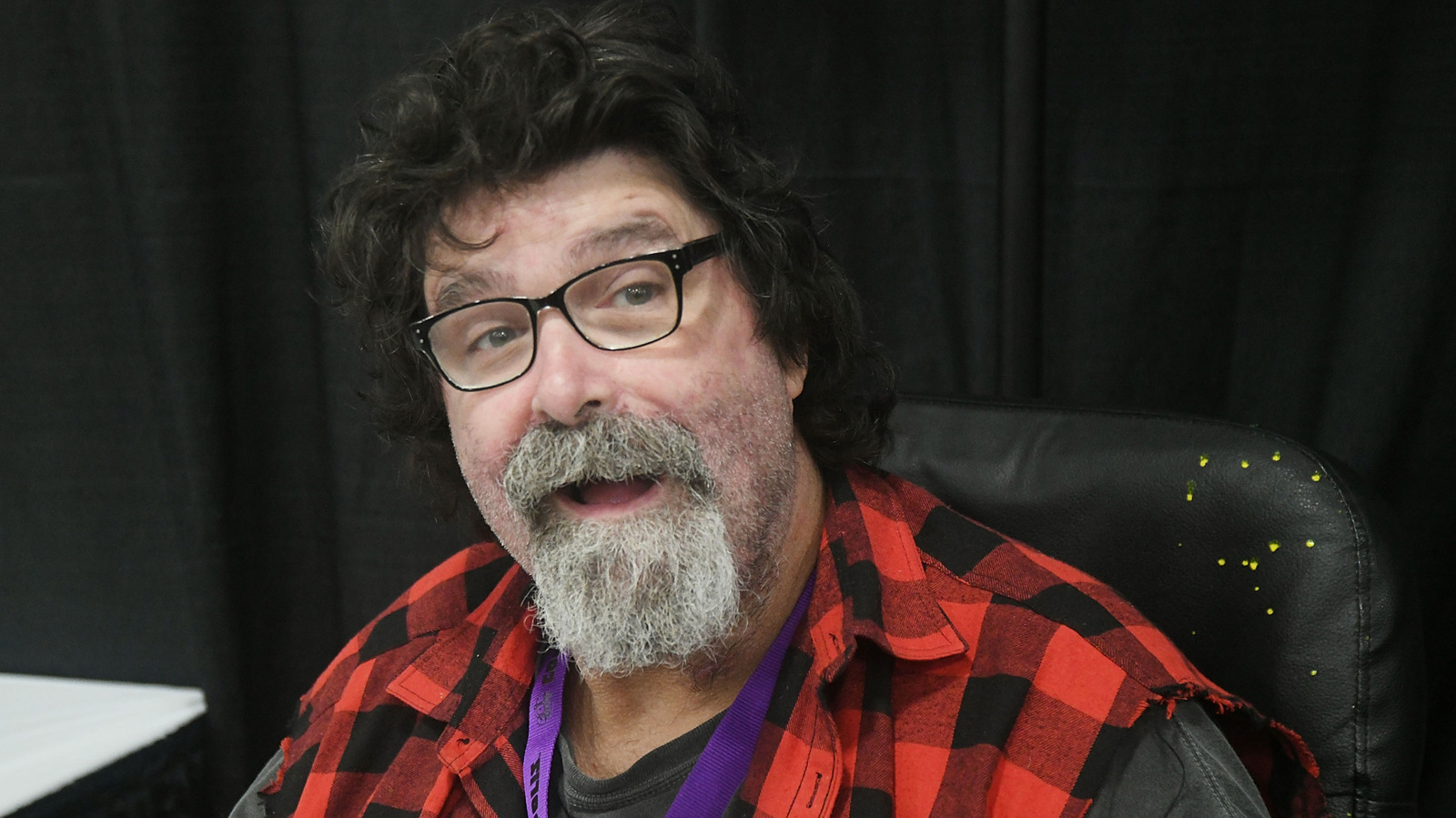
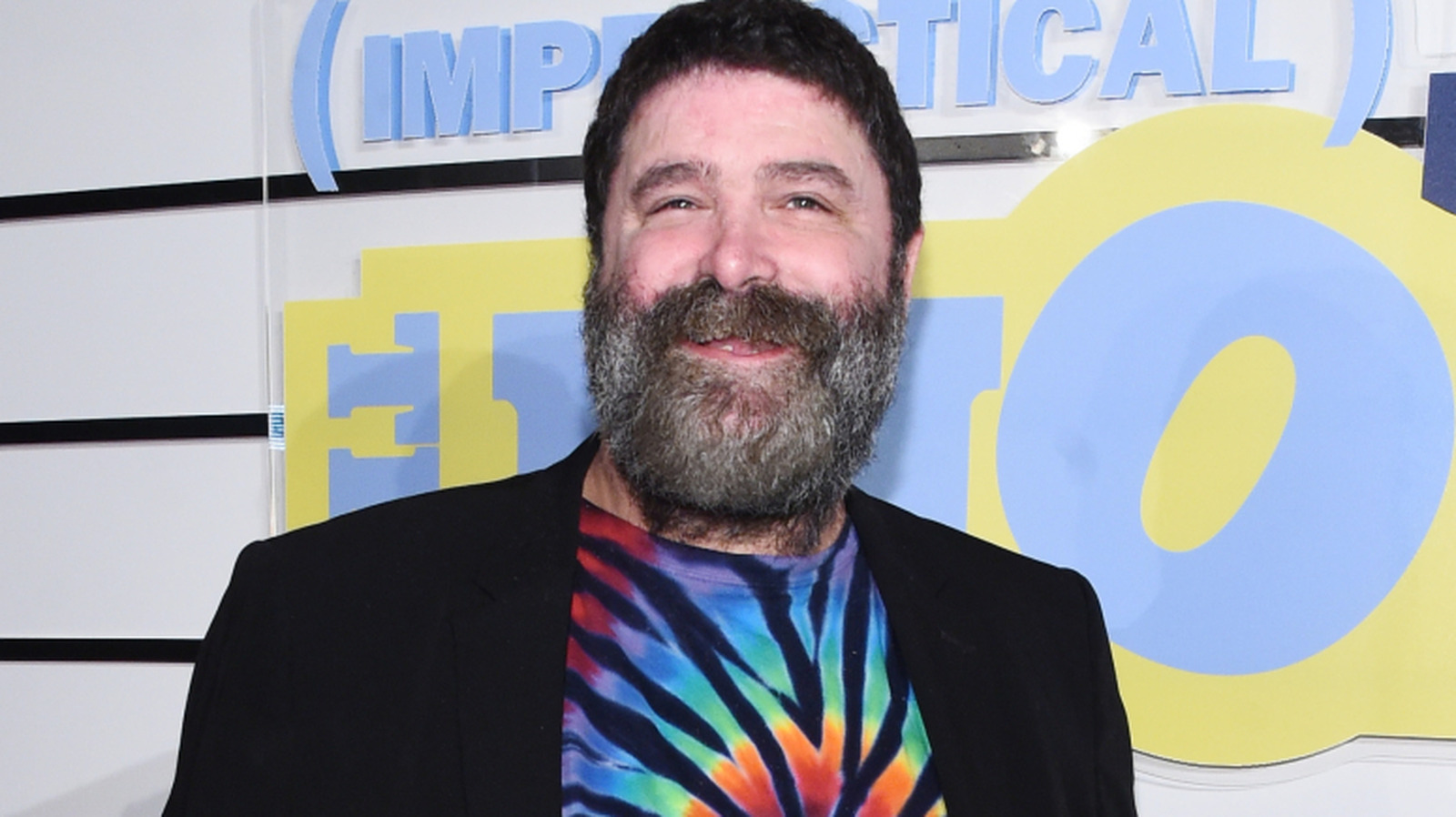
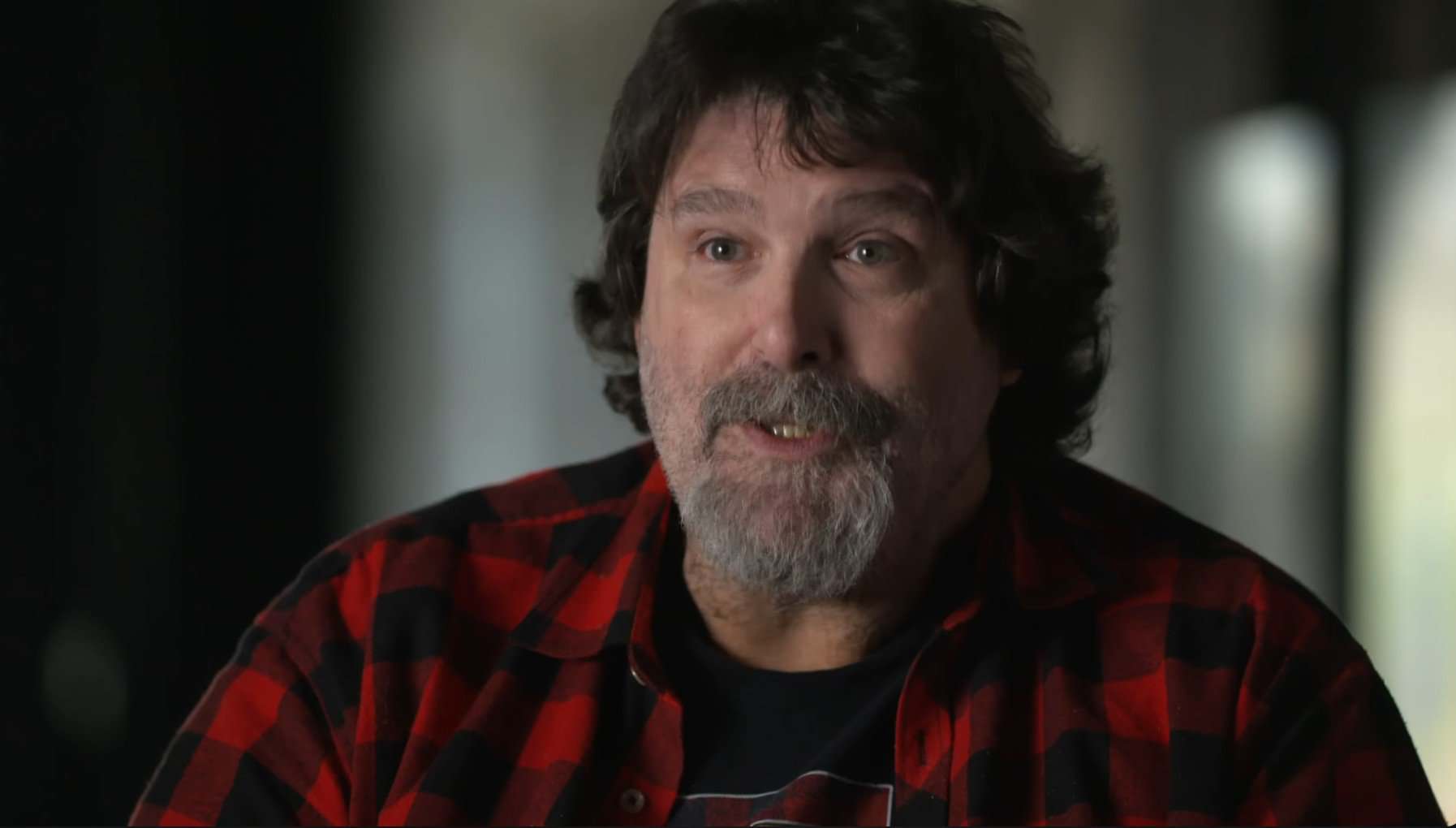
Mick Foley keeps finding ways to stay relevant in an industry that usually chews up its legends and spits them out into autograph circuit obscurity. This week, he confirmed his participation in an upcoming A24 documentary focused on the deathmatch scene. It is a peculiar match for a studio known for art-house prestige to bet on blood-soaked backdrops, but it is exactly the kind of move Foley would make.
Foley survived the era of thumbtacks and concrete. He lost an ear and endured legitimate physical trauma to build his name. Now, he is bringing the lens of a production house that made Green Room and Midsommar to a world filled with light tubes, barbed wire, and wrestlers who treat career longevity like a suggestion rather than a goal. As reported by WrestlingNews.co, the involvement is confirmed, though the project details remain guarded.
What this means for the deathmatch fringe
There is a distinct tension between the aesthetic of A24 and the gritty, grimy nature of deathmatch wrestling. Fans of promotions like GCW or BJW know that this style is about the visceral reality of a gusher from a stray staple or a back-flip onto a glass pane. If this film attempts to soften the edges to achieve a Sundance pedigree, it will alienate the very base that keeps these independent shows booked in damp bingo halls.
Foley acting as the bridge is the smartest booking decision imaginable. He carries the weight of a Hall of Fame career, meaning a general audience will respect his presence as a narrator or guide. He legitimizes the violence. Without him, or someone of his stature, the film risks being viewed as a exploitative circus act rather than a genuine study of a subculture.
The skepticism is warranted
Let's be clear about the pitfalls here. Documentary filmmakers often struggle with the kayfabe-blurring nature of professional wrestling. If the production focuses too much on the 'fake' narrative—the idea that you can choreograph a razor-wire board—they miss the point of why these guys bleed. We have seen over 50 documentaries on wrestling reach screens in the last decade, and most fail to capture the actual psychology of a worker like Nick Gage or Masashi Takeda.
The risk is heavy-handed dramatics. If A24 insists on a cinematic, slow-motion, moody tone for a sport that relies on rapid-fire intensity and crowd adrenaline, the juxtaposition will be jarring. You cannot force a quiet, contemplative frame onto a match that ends in a 25-minute bloodbath. It feels like trying to paint a masterpiece using a staple gun.
The stake is the soul of the genre
Why do this now, less than three weeks before WrestleMania 41 dominates the global conversation? Timing matters in this industry. WrestleMania focuses on mainstream perfection, pyrotechnics, and global spectacle. By contrast, a deathmatch documentary signals that there is an obsession with the counter-culture brewing under the surface. It is a necessary counter-balance to the clean, corporate aesthetic we are about to see in Las Vegas.
Foley remains the perfect protagonist for this because he is a survivor of both worlds. He held titles in the top-tier promotions and still knows how to take a bump like he does not have a mortgage. If he can steer the narrative toward the sheer human cost, this project has legs. If it becomes a pretentious look at 'the art of the bladejob,' it will be dead on arrival for the people whose support actually matters.
My early call on the outcome
I am calling it now: the film will be a technical success but a critical miss with the hardcore guard. It will win awards for cinematography, but the community will pick apart the inaccuracy of its portrayal of the regional circuits. Foley will be fine, though, because he always is. He has an 80 percent success rate in picking projects that keep his legacy polished, and this will be no different. The documentary will stir up the right kind of conversation, even if the producers get the technicalities of the wrestling wrong.