The impossible task of filling Jim Ross's shoes
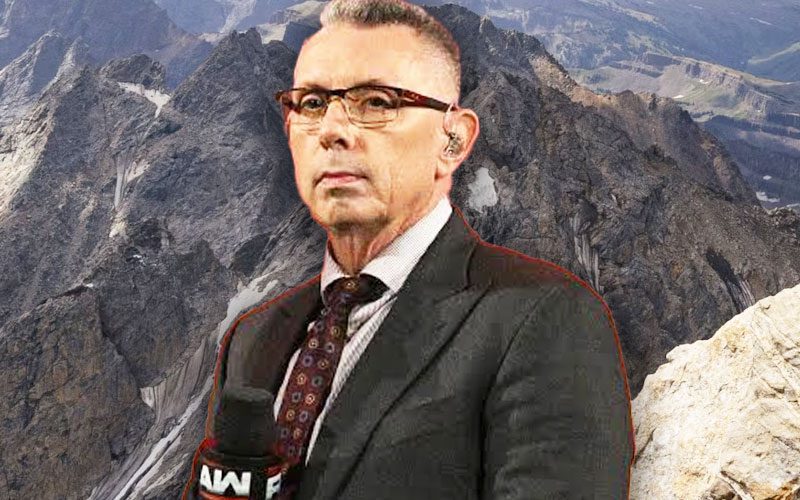
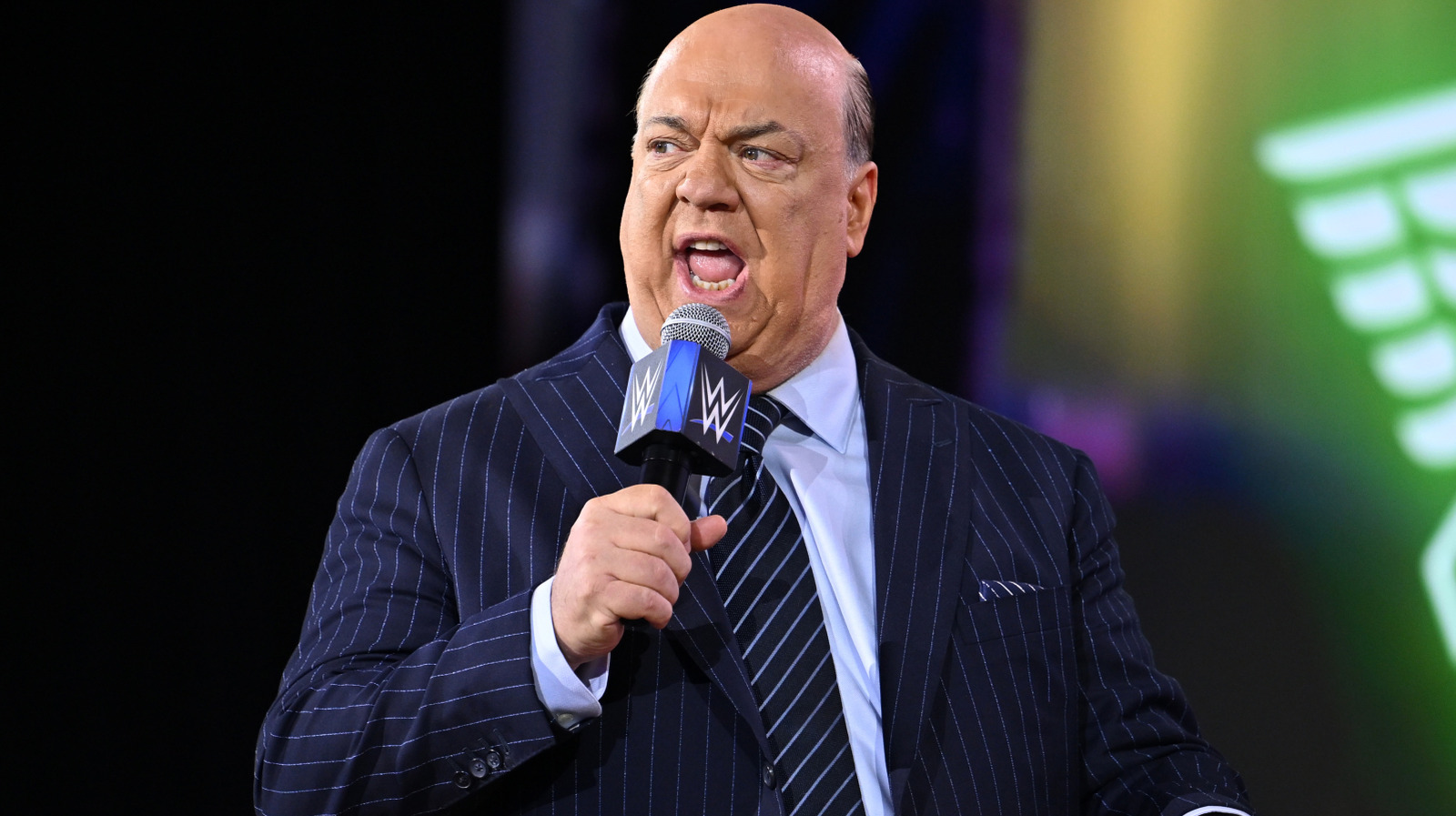
Replacing a legend in sports broadcasting is an analytical nightmare. When Michael Cole took over primary play-by-play duties from Jim Ross in the late 1990s, he didn't just inherit a microphone; he inherited a fan base accustomed to Ross's iconic 1998 peak. For years, Cole's voice was judged against a standard that ignored the fundamental shift in how WWE produced its weekly broadcasts.
The transition period saw Cole face relentless comparison metrics from audience feedback. Over a career spanning more than 25 years and thousands of hours of live television, Cole transitioned from an on-screen target of criticism to the structural backbone of WWE broadcasting.
As Ringside News reported, Cole openly admitted that trying to emulate Jim Ross nearly shattered his confidence early in his tenure. The turn came when Cole stopped attempting a Ross impression and built an analytical, play-by-play identity tailored to modern Vince McMahon-led and later Triple H-led broadcast specs.
Quantifying the shift in broadcast style and longevity
Jim Ross built his reputation on visceral, emotion-heavy calls, averaging high-impact soundbites during major main events. Cole, by contrast, was tasked with navigating a complex corporate transition, managing up to 10 live sponsor callouts per broadcast while calling match action across Raw and SmackDown.
By the time Cole surpassed 20 consecutive years as WWE's lead announcer, his efficiency metrics stood unmatched. He has called over 50 WrestleMania main events, handled thousands of hours of continuous live TV without missing scheduled tapings, and managed multi-person commentary booths alongside personalities ranging from Jerry Lawler to Corey Graves and Pat McAfee.
Statistical evaluation of commentary performance often overlooks cadence and narrative retention. Cole's ability to seamlessly weave storyline beats into complex multi-man matches like the Royal Rumble—tracking 30 entrants over a 60-minute duration—became his signature technical strength.
The Brady comparison and WWE's pursuit of star power
Wrestling commentary dynamic continues to evolve as WWE explores mainstream crossovers. Recently, comments surfaced regarding high-profile celebrity media figures potentially entering the WWE orbit.
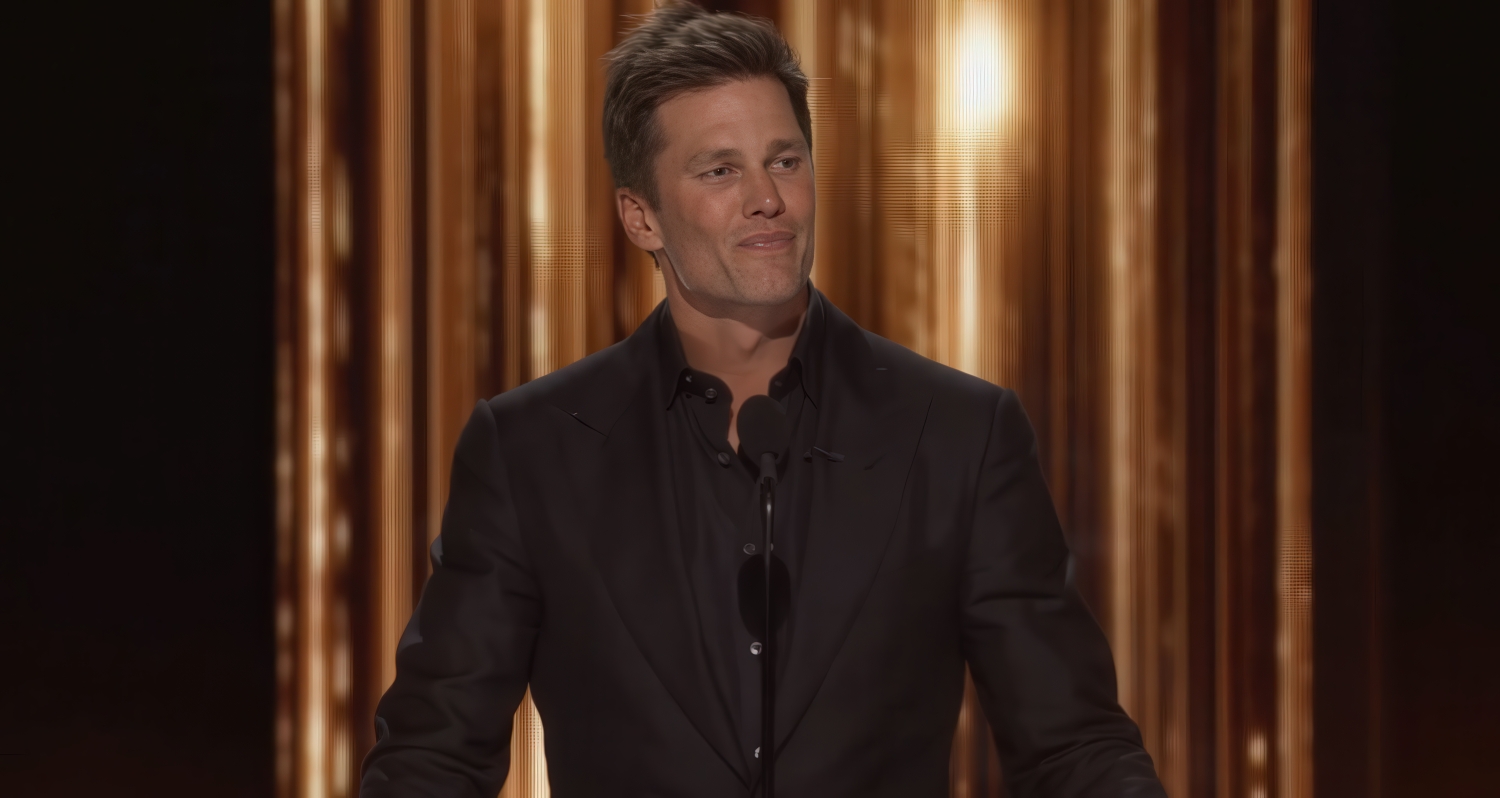
On his podcast, legendary caller Jim Ross addressed rumored Tom Brady-WWE talks, noting that "where there's smoke, there's fire." Comparing mainstream sports icons to seasoned play-by-play veterans highlights the technical demand of the job: calling live pro wrestling requires a unique mix of real-time improvisation and corporate messaging that takes decades to master.
The flawed era and the ultimate redemption
Cole's career was not without significant operational missteps. His 2010 to 2012 heel turn remains one of the most statistically divisive creative decisions in Raw history, consuming up to 15 minutes of broadcast time per week on non-wrestling commentary feuds, culminating in a 13-minute match at WrestleMania XXVII that dragged down match-quality ratings across the board.
Yet, his post-2022 resurgence under modernized broadcast management proved his core value. Stripping away micro-managed scripting allowed Cole's natural timing—honed over 2,000 live episodes—to shine, proving that longevity in wrestling analytics is earned through resilience and technical adaptiveness.