The Season of Hard Resets
The 2025-2026 wrestling cycle served as a brutal course correction for major promotions obsessed with optics over output. Promoters who chased social media trends instead of ticket sales found themselves bleeding viewers while traditional storytelling reclaimed the spotlight.
We rank the moments that dictated the year. These inflection points defined the competitive hierarchy and separated stagnant brands from those actually building long-term equity.
10. The Return of the Surprise Debut
A major promotion pulled a shock signing mid-season near the February pay-per-view cycle. The move ignited a ratings surge for exactly eight days before creative writing failed to provide a compelling follow-up angle or rivalry. It highlighted a recurring issue where companies prioritize the pop over the long-term payoff.
9. The Unification of Mid-Card Gold
The decision to merge two secondary titles into one championship streamlined the roster depth significantly. While it reduced the number of belts, it removed the bloat that made every title reign feel interchangeable. The move forced the booking team to actually develop mid-card challengers instead of just recycling talent.
8. The Arena Sell-Out Streak
One promotion hit a string of 12 consecutive sold-out arenas during its spring tour. This data point proves fan interest shifts toward consistency over chaotic, hyper-active booking decisions. It is the gold standard for healthy promotion performance in the current market.
7. The Champion’s Injury Crisis
A top-tier world titleholder suffered a torn labrum in November, forcing a vacuum at the top of the card. The scrambled response from creative resulted in a chaotic tournament that diluted the prestige of the championship. It proved that relying on one singular star creates a structural dependency that inevitably fails under pressure.
6. The Production Value Pivot
Broadcasters mandated a move back to traditional lighting and camera angles for live televised segments. The stripped-back aesthetic allowed fans to actually see the intensity in the ring without strobe lights obscuring the technical work. This intentional departure from modern flash made the product feel grounded and legitimately dangerous again.
5. The Strategic Pay-Per-View Price Drop
Dropping the price of digital events by a significant margin signaled a shift in how companies target the casual viewer. It effectively incentivized mass-purchases during a period of economic tightening for their primary target audience. The resulting spike in buys validated the strategy, proving that affordability drives audience growth better than reliance on legacy pricing models.
4. The Heavyweight Heel Turn
A long-standing fan favorite betrayed his partner in the 21st minute of a main event steel cage match. The timing and delivery corrected a trajectory that had become stale for eighteen months. It injected genuine heat into a rivalry that was previously drifting toward irrelevance.
3. The Network Strategy Conflict
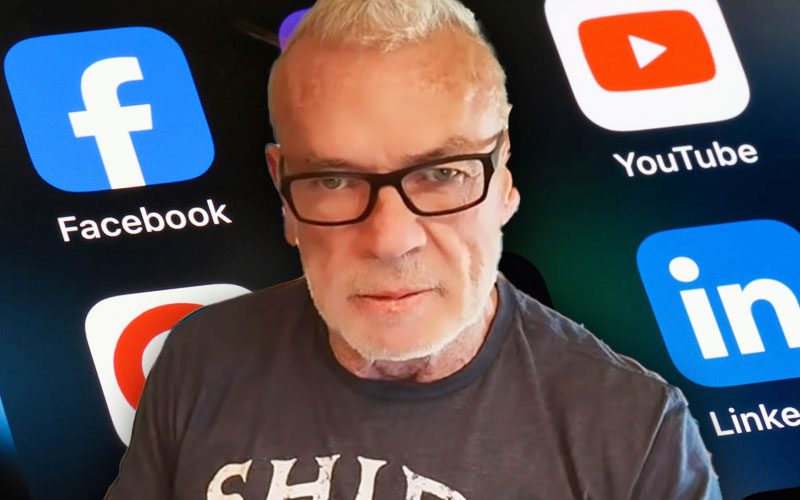
Disagreements between streaming partners and bookers regarding creative freedom hit a breaking point in late 2025. This tension, fueled by executives ignoring industry veterans, led to a public clash over social media sentiment. As Eric Bischoff noted, organizations that actively prioritize Internet Wrestling Community feedback over bottom-line reality are bound to fail. The standoff ultimately cost the head of creative his job in an ugly February resignation.
2. The Record-Breaking Gate
A summer spectacular achieved a gate of $14.2 million in a massive outdoor stadium. This set a new bar for what a singular high-stakes event can generate in terms of pure revenue. It cemented the host venue as the premier destination for major marquee attractions.
1. The Champion’s Final Stand
The undisputed champion faced his toughest test at the season-finale show, needing a brutal combination of strikes to retain his title. Winning with a pinfall at exactly 42 minutes, the match showcased why high-intensity, long-form wrestling still draws attention. It remains the anchor point for the entire business going into the summer.
Honorable Mentions: The surprise stable dissolution in October; the mid-season pivot to a tournament-heavy booking style; the departure of the long-term commentary team for a fresh broadcast identity.