The Turning Point for Jeff Hardy
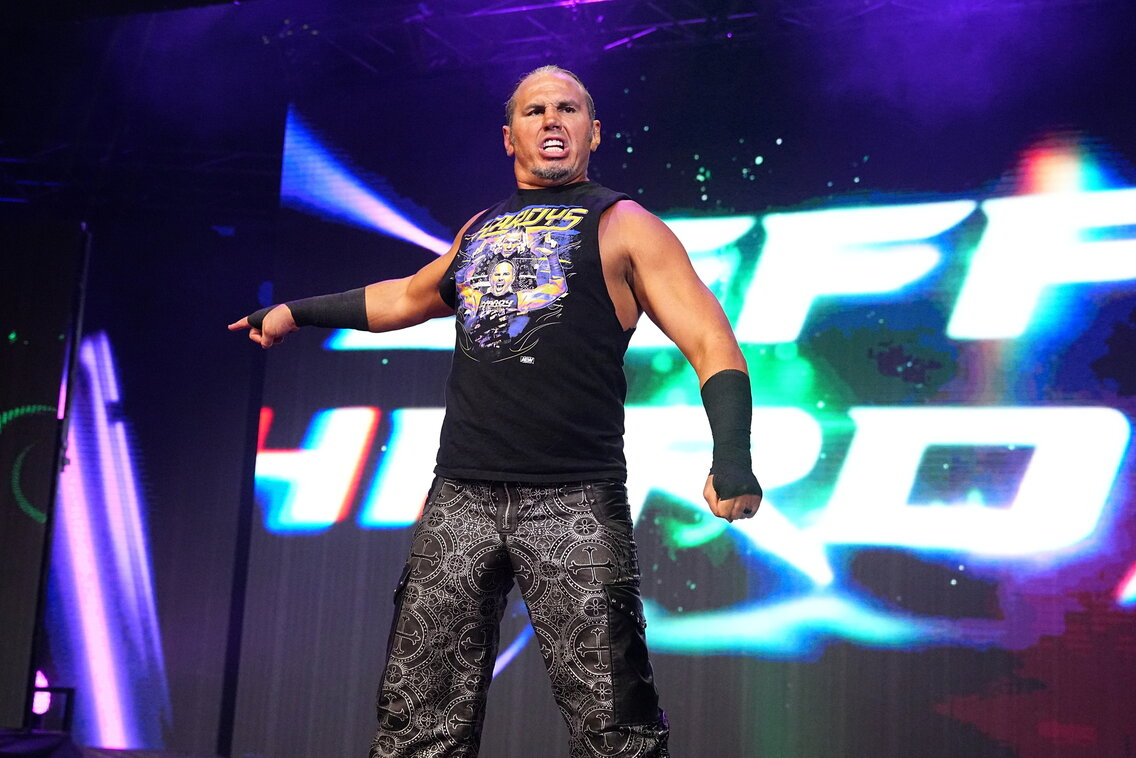
Jeff Hardy entered AEW with a momentum that suggested one final legendary run for the Hardy Boyz. The energy in the building during his debut was electric, yet the honeymoon phase ended abruptly. Matt Hardy recently confirmed what many observers suspected: the momentum died the moment personal issues eclipsed professional reliability.
The legal situation surrounding Jeff’s DUI arrest served as the definitive fracture in his relationship with the promotion. It was not just a legal hurdle; it was a total collapse of the structural integrity of the tag team's booking. Matt noted that the arrest was a turning point that created massive trust issues with the AEW management and locker room alike.
When a talent of Jeff's stature is brought in for a main event push, the entire roster depends on that individual being available for the 8:00 PM bell time on Wednesdays. Once that reliability vanished, the creative direction for the Hardys became an afterthought. They went from being title contenders to being a legacy act that the company was hesitant to build around.
The Medical and Personal Toll of the Enigma
Jeff Hardy’s career has been a long-term battle against his own physical and personal limitations. At 48 years old, the toll of his high-flying style has manifested in chronic back issues and neck stiffness that visibly slowed his movements during his final AEW matches. However, the 'injury' here was more psychological and reputational than purely physical.
Medical experts often cite the connection between physical pain and the reliance on substances in professional wrestling's history. Jeff’s history with these issues is well-documented, dating back to his first WWE departure in 2003. Similar patterns emerged in 2009 and again in 2019, suggesting a career-long struggle with maintaining the discipline required for a top-tier athlete.
Short-term absences are easy for a promoter to book around. A 3-week recovery for a sprained ankle is a minor inconvenience in a long-term storyline. But when an absence is tied to legal trouble or 'trust issues,' the timeline becomes indefinite. AEW could not realistically put Jeff back in a high-profile spot without fearing a repeat of the incidents that derailed their 2022 plans.
Tactical Fallout and Roster Depth
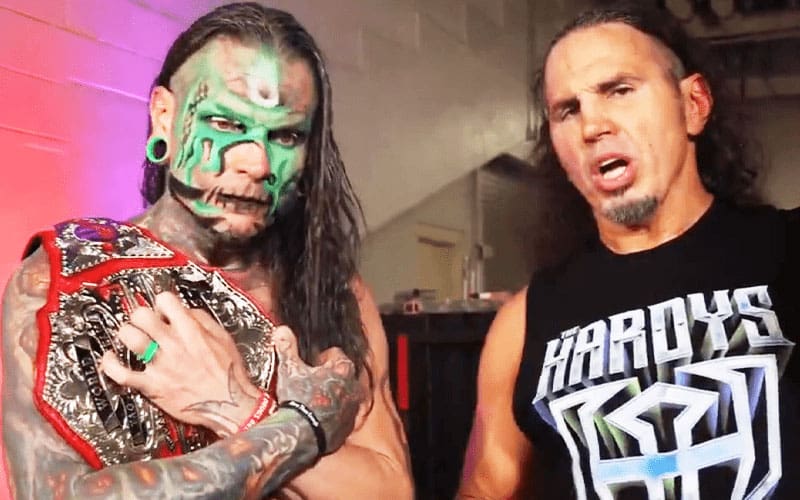
The loss of Jeff Hardy as a reliable main eventer forced Matt Hardy to pivot into a supporting role. Instead of the 'Broken' brilliance or a Hardy Boyz tag title run, Matt found himself leading the Hardy Family Office, a stable that never quite reached the heights of his previous work. The tactical shift was clear: Matt became a manager and mentor because the team could no longer function as a premier in-ring unit.
Tony Khan’s roster is deep, but it lacks the specific nostalgia-driven drawing power that the Hardys provide. When Jeff was sidelined, the tag team division lost a veteran anchor. The Young Bucks and FTR had to carry the load, but the 'dream match' scenarios involving the Hardys were effectively scrubbed from the whiteboard. It was a missed opportunity that Matt attributes directly to that loss of faith from the front office.
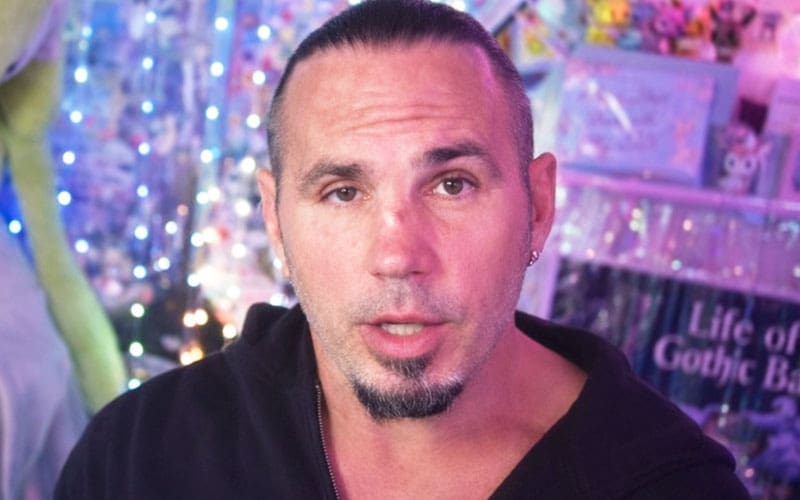
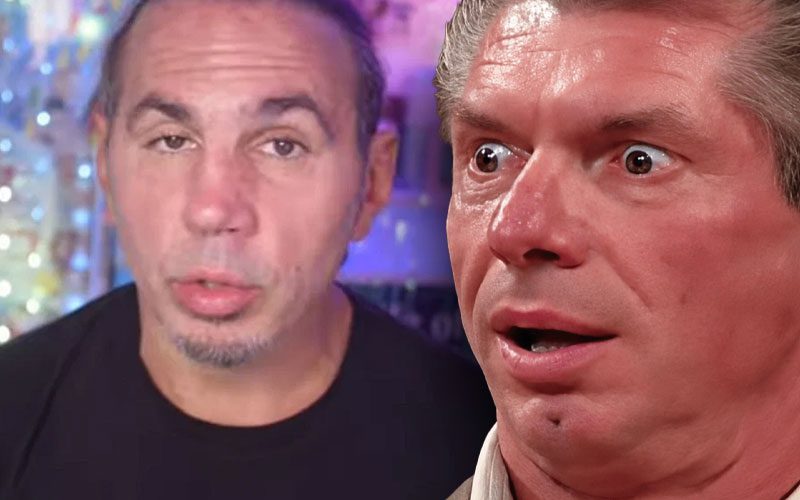
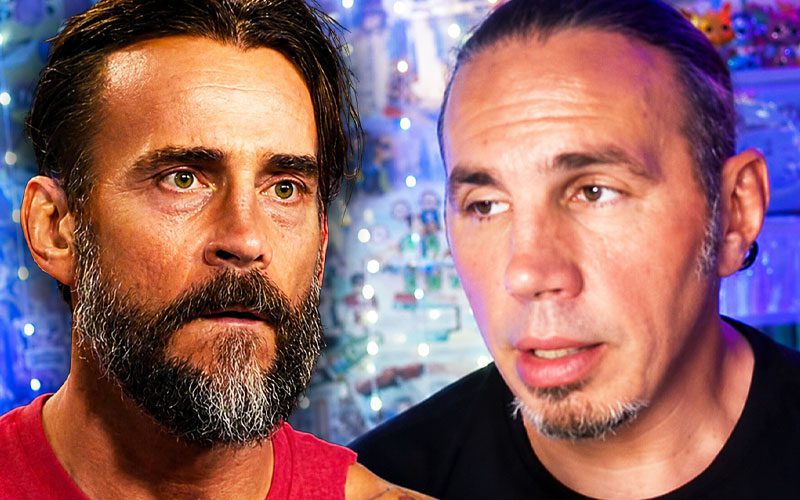
Matt Hardy admitted that repeated mistakes created trust issues with AEW management, calling the DUI arrest a turning point.
The impact on team selection was immediate. The Hardys were pulled from a scheduled triple threat ladder match for the AEW Tag Team Championships. This wasn't just a loss for the brothers; it was a loss for the fans who had paid to see a specific type of high-stakes demolition. Instead, the match was restructured, and the Hardys were relegated to the background of the division for months.
Historical Context and Career Durability
Comparing Jeff’s situation to other veterans like Edge or Christian Cage reveals a stark difference in career management. While Edge returned from a career-ending neck injury to maintain a top spot, Jeff has struggled to maintain the same level of professional consistency despite having similar physical hurdles. The 'Charismatic Enigma' persona depends on a level of reckless abandon that Jeff can no longer sustain safely.
Looking back at the history of the Hardy Boyz, their longevity is a miracle of modern sports science. They have competed in 21 TLC or ladder matches across three decades. That level of impact creates micro-tears in the muscles and degenerative disc disease that no amount of physical therapy can fully erase. Matt has been vocal about his own 'melted' lower back, and it's clear Jeff is dealing with the same structural decay.
The current landscape of wrestling requires a faster, more technical approach. Jeff’s inability to perform the Swanton Bomb with his former grace is a testament to the physical price he has paid. When you combine that physical decline with the trust issues Matt described, the path back to a major promotion like WWE or a top-tier AEW spot looks increasingly narrow.
The Critical Reality of the Hardys in 2026
Let’s be honest: the Hardys' run in AEW was a disappointment. It started with a roar and ended with a whimper in the mid-card of Rampage. While Matt is loyal to his brother, his recent comments acknowledge the frustrating reality that Jeff was his own worst enemy. The 'trust issues' Matt mentioned aren't just corporate buzzwords; they represent the frustration of a brother watching a final run go up in flames.
The booking of Danhausen's WWE debut at Elimination Chamber, which Matt also commented on, shows the contrast in how 'specialty' acts are handled now. WWE is moving toward a highly controlled, presentation-heavy environment. Jeff Hardy’s chaotic energy no longer fits that mold, and AEW’s attempt to harness it was undone by the very traits that made Jeff a star in the first place.
Jeff is currently in a 'long-term' holding pattern regarding his legacy. He may still perform on the independent circuit or in TNA, but the days of him being a trusted 'franchise' player for a billion-dollar company are likely over. The timeline for a 'return to grace' is nonexistent because the bridge of trust has been burned too many times.
The Path Forward
As Ringside News reported, the DUI arrest was the definitive end of the 'old' Jeff Hardy in the eyes of major promoters. There is no magic fix for trust. You can heal a broken bone in 6 months, but you cannot heal a reputation that has been eroding for twenty years. Matt’s decision to speak openly about this suggests a level of acceptance that the end is near.
The tactical adjustment for the Hardys now is simple: preservation. They are in the 'tribute act' phase of their careers. They can still draw a crowd at a local convention or a TNA taping, but they are no longer the engines of a national television product. The 'spark' that Matt says Randy Orton’s heel turn provided for WrestleMania is the kind of creative momentum the Hardys can no longer generate for themselves.
Ultimately, the Jeff Hardy story is a cautionary tale of how personal reliability is the most important 'stat' in wrestling. No matter how many chairs you jump off or how many fans scream your name, if the promoter can’t trust you to show up, you aren't an asset—you're a liability. Jeff’s injury wasn't a torn ACL; it was a torn relationship with the industry itself.