The locker room boss who never technically held the title
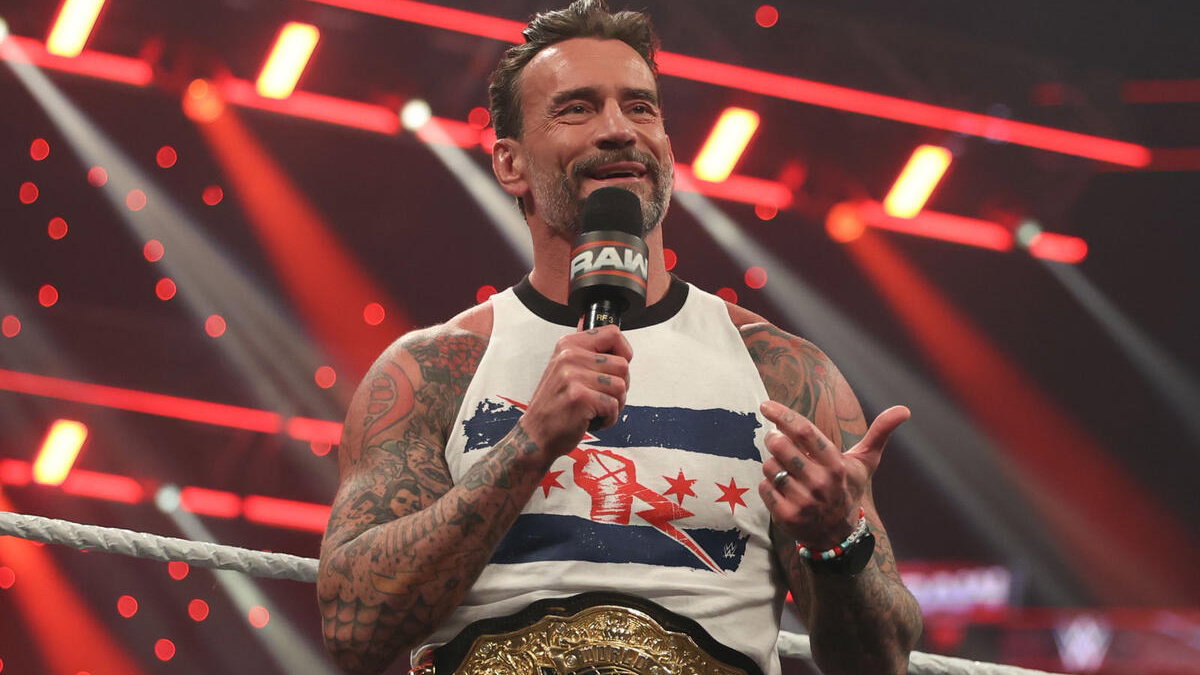
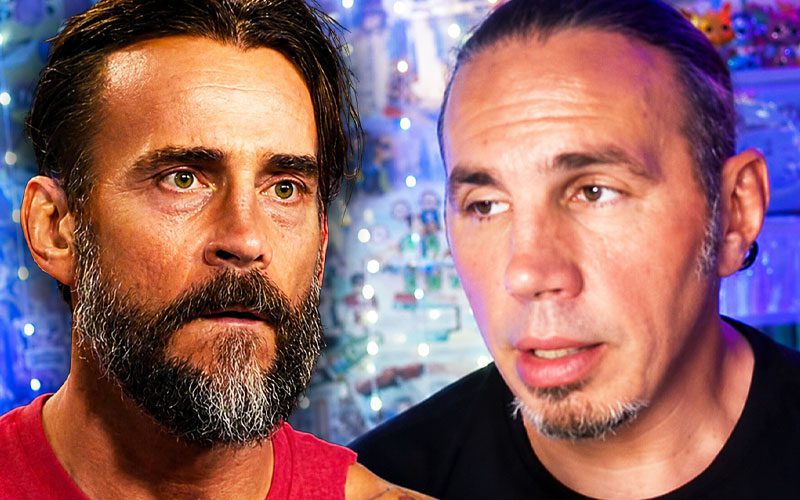
Let’s be real. If you’ve spent any time in a wrestling locker room, you know the type. Every promotion has that one guy who walks in like he owns the building. Matt Hardy recently sounded off on CM Punk’s turbulent AEW tenure, and he didn’t mince words about the power dynamics at play. Hardy believes Punk arrived with the internal radar set to maximum, fully aware that Tony Khan’s management style left a massive vacuum for someone of his stature to fill.
We saw this movie before. Punk wasn’t just a worker; he was a focal point of the promotional strategy from the jump. When you’re treated like the main event savior, you start acting like the guy making the calls. Hardy’s take is that this wasn’t an accident. Punk supposedly viewed the environment through the lens of a veteran who knew exactly where the boundaries were—and more importantly, where they were totally porous.
The booking vacuum and the fallout
The core issue here is how AEW handled their top-tier talent during that 2021-2023 window. If you operate like a fan-turned-promoter who wants to keep everyone happy, you end up with a room where the inmates decide the menu. Punk clearly saw this quirk and leaned into it hard. Whether it was the infamous media scrums or the backstage dust-ups that seemed to happen every other Tuesday, the lack of a firm hand meant disputes rarely stayed behind the curtain.
Hardy’s perspective highlights the messiness of a locker room without a clear hierarchy. Punk wasn’t just working matches; he was engaging in a backstage game of chicken with the rest of the roster. When you have a talent who feels they are bulletproof, the matches stop being about who can throw the best superkick and start being about who can lobby for more screen time. It’s the ultimate recipe for a corporate meltdown, and we got the front-row seat to the explosion.
The cost of the wild west
Let’s talk about the downside—and there was plenty. For all the massive pops Punk received at United Center, the brand eventually suffered from the constant narrative noise. When the story off-camera becomes more compelling than the story on-camera, you’ve lost the plot. The Elite, the locker room splintering, and the eventual departure of arguably the biggest star they had left a scar on the product that didn't just fade overnight.
Hardy’s assessment isn't just venting; it’s an indictment of the AEW management style during that phase of their expansion. You can’t build a promotion around a guy who treats the back office like a suggestion box. It leads to short-term spikes in ratings but creates long-term headaches for the talent tasked with putting on actual, competitive matches every week. It’s hard to focus on a 20-minute technical masterpiece when the guys in the Gorilla position are dealing with a crisis of egos.
Ultimately, Punk did exactly what he was invited to do: he occupied the space he was given. If the promotion gives you the keys to the kingdom, you don't blame the guest for rearranging the furniture. You blame the guy who handed over the spare set of keys despite seeing the warning signs piling up like empty pizza boxes after a long pay-per-view. It was a chaotic, frustrating, and undeniably gripping chapter of wrestling history, but it serves as a massive warning for anyone trying to build a new wrestling universe from scratch.
Read Next
- AEW's scouting department is essentially a free talent agency for WWE
- Jack Perry's ticking clock creates an AEW headache
- CM Punk's quiet departure from television is fueling some ridiculous fantasies
- Amazing Red is back and TNA is playing for keeps
- 🏆 WrestleMania 41 — Full Coverage Hub
- 💊 CM Punk WWE 2026 — Best in the World