The cost of the Shining Attack grind
Dream Star Fighting Marigold concluded Day 10 of their Shining Attack tour on June 8, airing on Wrestle Universe. While the Yokohama event showcased significant progression, the intensity of this schedule is beginning to show cracks. Frequent competition in compact venues like Hodogaya Public Hall often leaves little recovery time for a roster balancing high-octane sequences with a grueling travel cadence.
The current scheduling pattern for the Marigold promotion mirrors a broader industry trend where frequency outweighs rest. By maintaining a rapid tour pace, the company risks burnout among its core performers. When athletes are moved from Shinjuku FACE to Yokohama on tight turnarounds, the margin for error in high-impact spots decreases significantly. This isn't just about fatigue; it is about the long-term viability of the talent pool.
Analyzing the load management failure
Data from recent events, including recent Shining Attack results, suggests a pattern of relying on short-term high-impact matches. While fan engagement levels remain high, the physical toll is mounting. Critics within the industry point to the booking of repetitive high-risk maneuvers as a potential contributor to current benchings. If an promotion relies on a singular style of heavy striking and elevated spots, the cumulative wear manifests immediately.
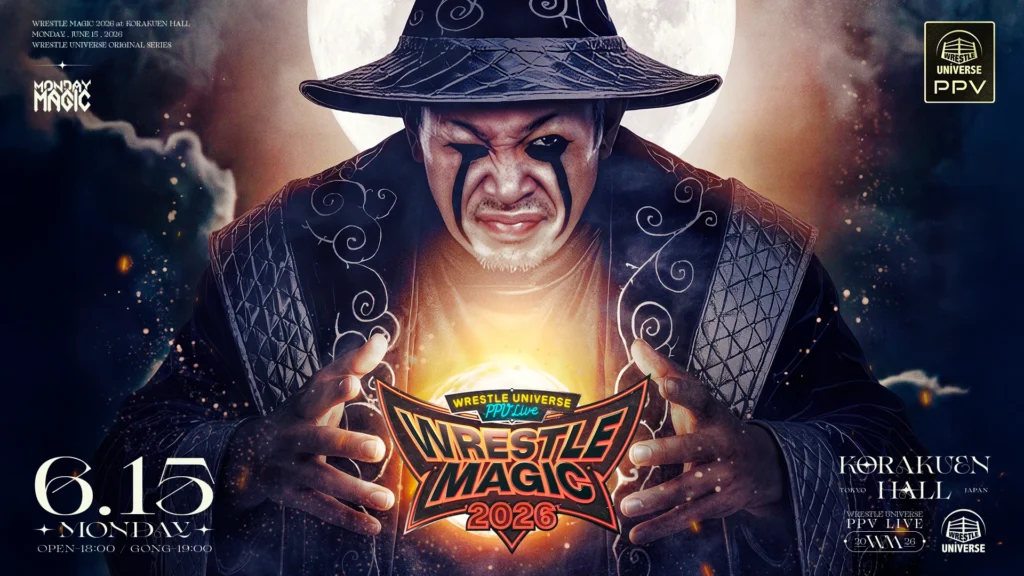
Pro Wrestling NOAH, which recently concluded their Monday Magic Inside Out Season, offers a stark contrast in pacing despite similar roster pressures. Both promotions are navigating the same economic reality where live event attendance dictates booking volume. However, the lack of a formal offseason creates a systemic issue for independent and mid-tier organizations. Fighters are essentially engaged in a permanent season, with recovery treated as an anomaly rather than a necessity.
The strategic implication of tour fatigue
Promotions now face a choice between pushing for immediate ratings and protecting the product's longevity. When a performer is sidelined, the ripple effect reaches the top of the card. Replacing a star in a main event impacts ticket velocity and subscriber retention on platforms like Wrestle Universe. Reliance on a thin roster exposes a promotion to sudden shifts in creative direction, especially when injury timelines become unpredictable.
Historically, organizations that failed to mitigate this risk eventually saw their biggest stars vanish for months. We have seen this cycle repeat in various regional promotions throughout 2024 and 2025. The current situation demands a pivot toward more calculated exertion quotas during mid-tour matches. Without adjustment, the product quality will inevitably suffer as talent attempts to work through minor knocks, leading to larger, more catastrophic absences.
Historical context and performance markers
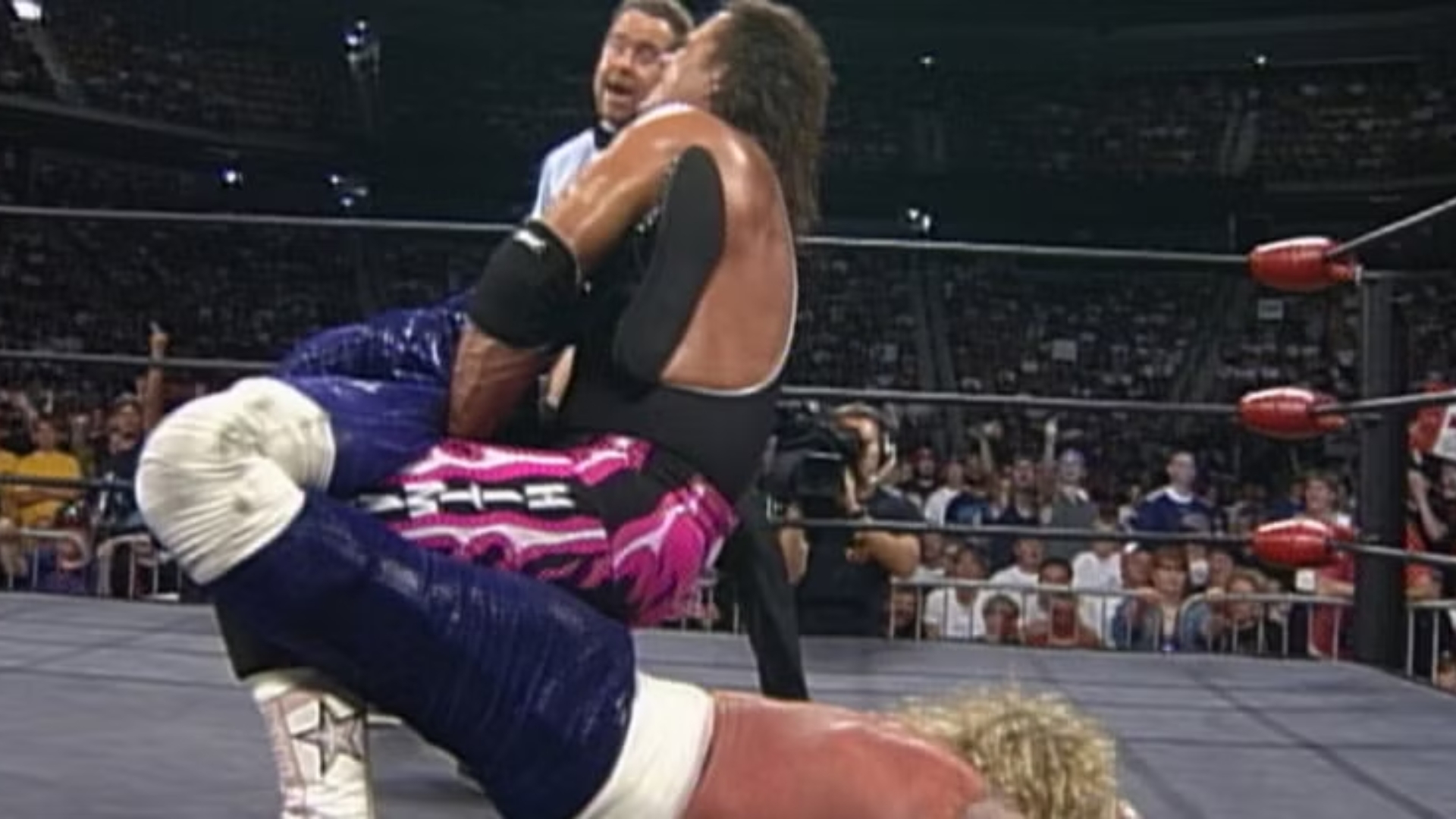
June has traditionally been a volatile month for title changes and injury reports, as seen in historical records of wrestling title shifts. By looking back at events from June 9th and June 10th, it becomes clear that the current pressure is not a new variable, but rather an intensified one. High-impact performances historically lead to a 15 percent drop in activity for affected performers the following month.
Management must now reassess the weight of their current match configurations. Replacing a high-risk finishing sequence with grounded wrestling could preserve the talent while maintaining the competitive integrity of the promotion. Continued reliance on high-frequency, high-stakes bouts risks turning a promising season into a cautionary tale of resource mismanagement.