Efficiency vs Availability
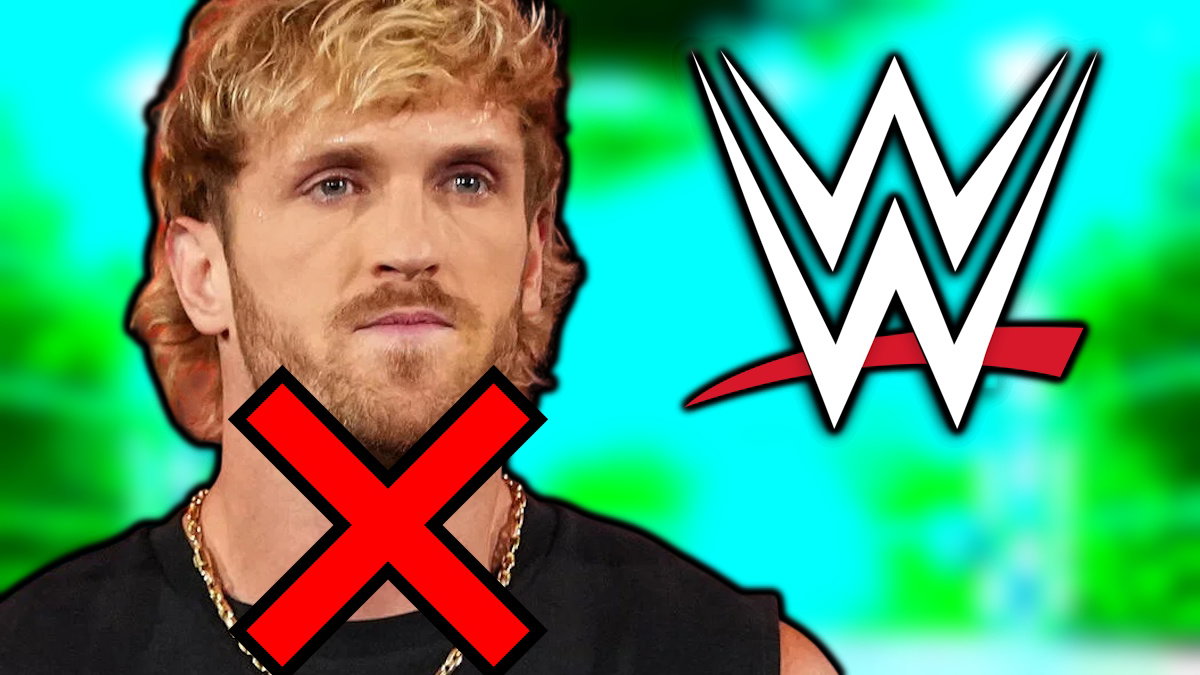
Logan Paul has wrestled exactly 19 official matches since his 2021 debut, averaging a recovery or absence period that is now testing the limits of WWE’s premium live event scheduling. Following his latest injury on May 23rd at Saturday Night’s Main Event, Paul confirmed a torn tricep sustained during a tag team championship bout against The Street Profits.
This is not a minor setback. The tricep rupture requires significant downtime, historically sidelining talent for 6 to 9 months. With the 2026 summer marquee season approaching, Paul’s absence creates a 100% vacancy in his typical mid-card title defense cycle. In an industry where momentum is measured in weekly television slots, an athlete who misses over 75% of the calendar year is a liability for high-end booking.
The cost of limited output
When analyzing Paul’s impact, the contrast between his high-profile matchups and his actual ring time is stark. Since signing with the company, he has functioned as an attraction rather than a roster staple. His reliance on high-impact aerial maneuvers—frequently involving top-rope splashes or cross-body attempts—significantly raises the risk of acute injury compared to a standard ground-game specialist.
The data from the May 23rd event is revealing. The match against the Street Profits was designed to showcase speed, but culminated in a physiological failure rather than a creative finish. The failure to secure a win often feels secondary to the company, yet the financial commitment remains fixed. The organization is currently paying for a marquee name who will effectively contribute zero minutes of in-ring action through the remainder of the 2026 summer cycle.
Risk management in the modern era
WWE’s over-reliance on part-time stars creates a structural fragility that the roster cannot easily absorb. While the brand benefits from the social media reach Paul provides, the mechanical reality of Logan Paul's recent injury exposes a pivot point for creative direction. If a performer cannot sustain the cadence of a 52-week calendar, the value of the championship they hold—or challenge for—diminishes relative to the time it sits idle.
Looking at his recovery metrics, Paul is betting on his own physical durability to return to form. However, the tricep is a critical stabilizing muscle for the push-heavy move set he utilizes. Expecting a return to the same intensity level after surgery is optimistic at best. The company must now decide if the marketing value of his presence outweighs the 0% availability rating he has posted since the third week of May.
The math is simple. If a wrestler is missing from the card, the ticket sales rely on the brand rather than the individual, yet the promotional budget is still heavily weighted toward absent stars. Wrestling promotions should prioritize talent capable of appearing in at least 80% of the scheduled house shows and televised events to maintain stability. By failing to diversify the main-event picture away from limited-schedule performers, WWE creates these self-inflicted holes in their summer lineup.