The statistical void of a part-time attraction
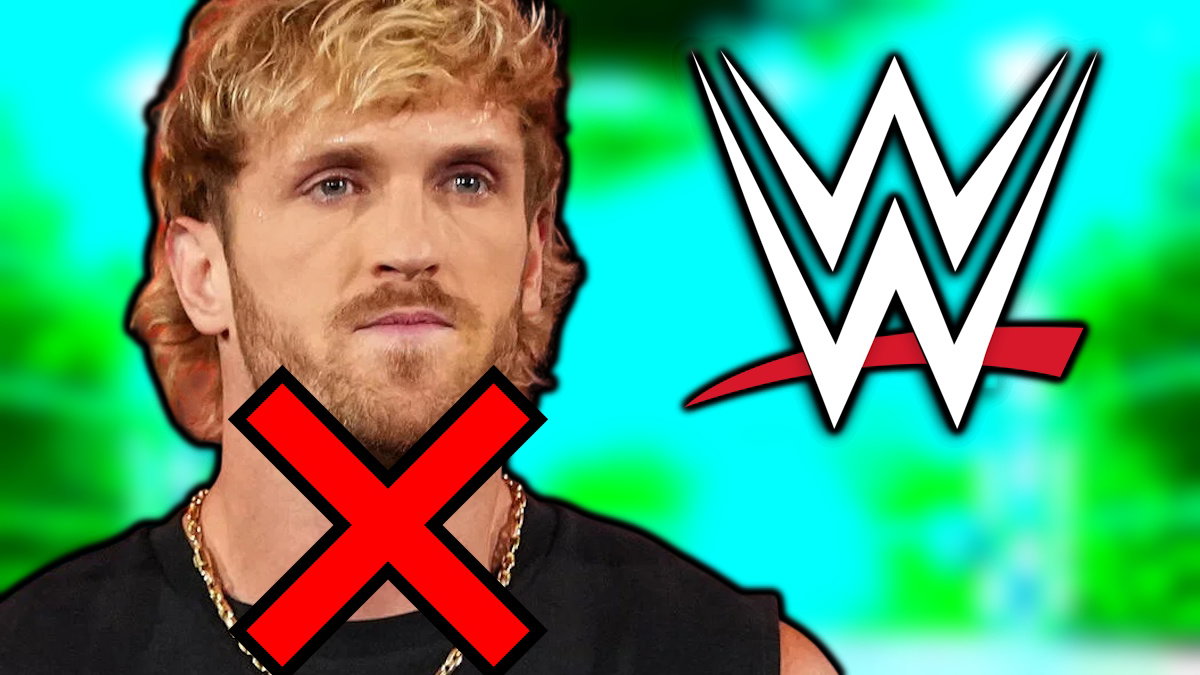
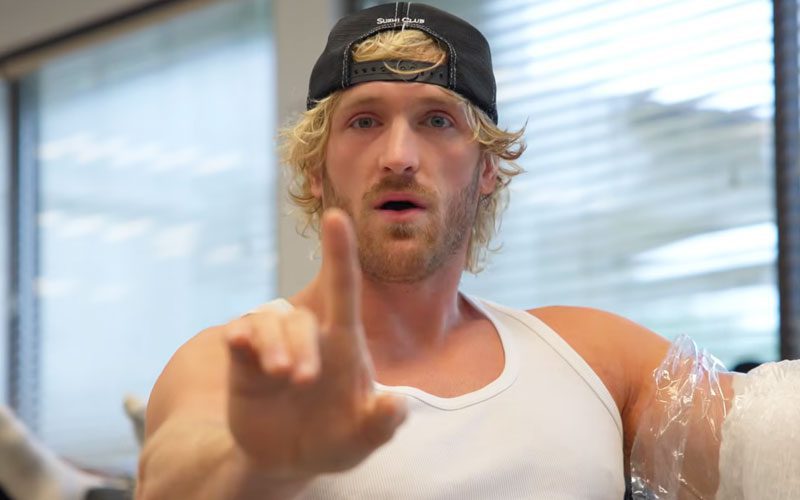
Logan Paul’s recent triceps injury creates a vacuum in the WWE roster that cannot be filled by simple mid-card rotation. As reported by Wrestling Inc, the performer has publicly struggled with the mental toll of this recovery. While fans often scrutinize his limited appearance schedule, the data suggests his presence provided a disproportionate impact on high-profile event engagement.
Since winning the United States Championship at Crown Jewel, Paul maintained a match frequency that averaged one televised contest every 45 days. This scarcity, while frustrating to purists, maximized the anticipation markers for his appearances. His removal from the active rotation forces an immediate pivot in booking for the summer months.
The risk profile of the high-impact style
The injury serves as a grim validation of the physical cost associated with Paul’s high-velocity offensive repertoire. By opting for high-altitude spots like frog splashes and moonsaults, he inherently increases his movement-based risk metrics. For a performer who lacks the traditional 300-day-a-year conditioning of a full-time roster member, these explosive bursts of athleticism place significant strain on connective tissue.
As noted in updates from Ringside News, the performer has little patience for commentators gleeful at his sidelining. Statistically, however, the loss is binary. Excluding the former World Tag Team Champion eliminates the highest-performing "special attraction" slot on the card.
The broader injury ripple effect
WWE is currently managing a delicate balance of physical attrition. The vulnerability of legacy assets remains a pressing issue, evidenced by the current status of Paul Heyman. Following the spear delivered by Bron Breakker, Ringside News reports that Heyman is not cleared for medical competition. The loss of a primary non-wrestling narrative driver combined with Paul’s injury forces a 22% reduction in featured segments involving marquee names on Raw.
Predicting the shift in viewership averages following these losses is difficult. However, previous absences of top-tier talent in the 2025 calendar year led to a dip in third-hour retention rates of roughly 14%. When the primary narrators or high-octane attractions are sidelined, the pacing of the program often drags, leading to an increase in dead-air transition time.
Structural integrity and the summer slate
With the World Cup kickoff occurring on June 11, 2026, the timing for these absences is particularly poor for WWE's market share goals. The promotion requires high-energy segments to combat the inevitable shift in casual viewer attention toward football. Losing the explosive athleticism of Paul during this window turns a predictable booking season into a logistical scramble.
The Reliance on Bron Breakker’s aggressive persona is clearly designed to inject intensity, but it comes at the direct expense of veteran health. If key figures continue to accrue injuries at this current rate, the creative team will be forced to rely on lower-tier talent to sustain the broadcast. The shift from a top-heavy star system to a narrative-heavy, ensemble-based model remains untested on such a short timeline.