The 68-day anomaly in Orlando
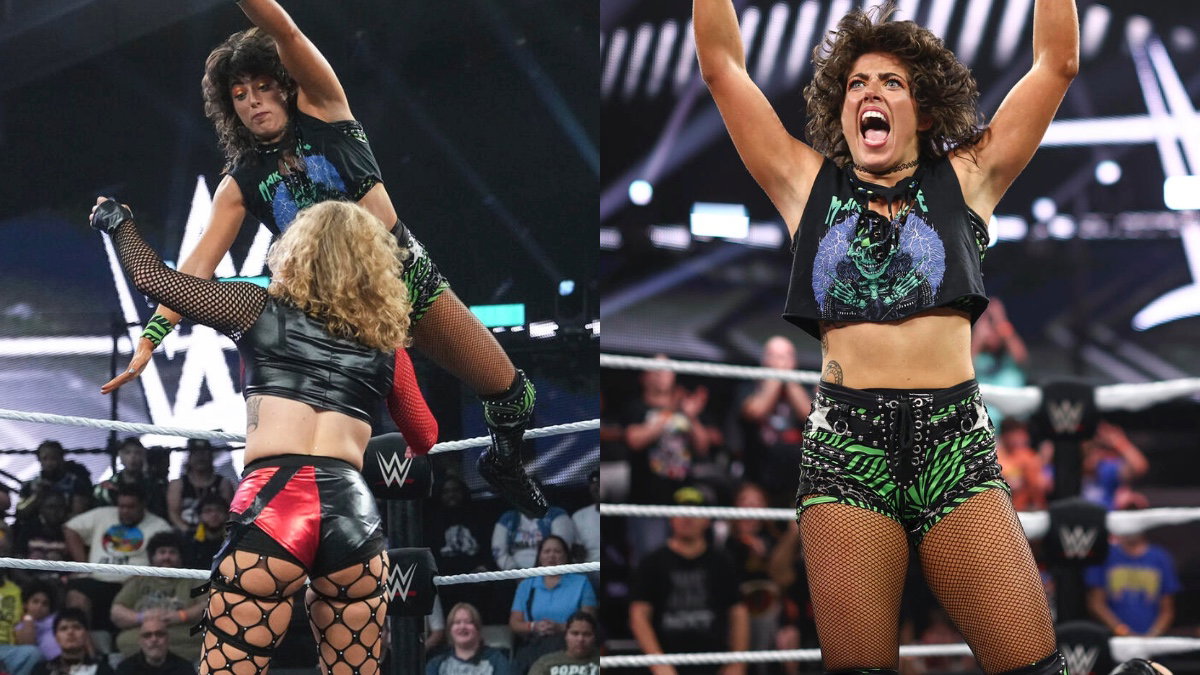
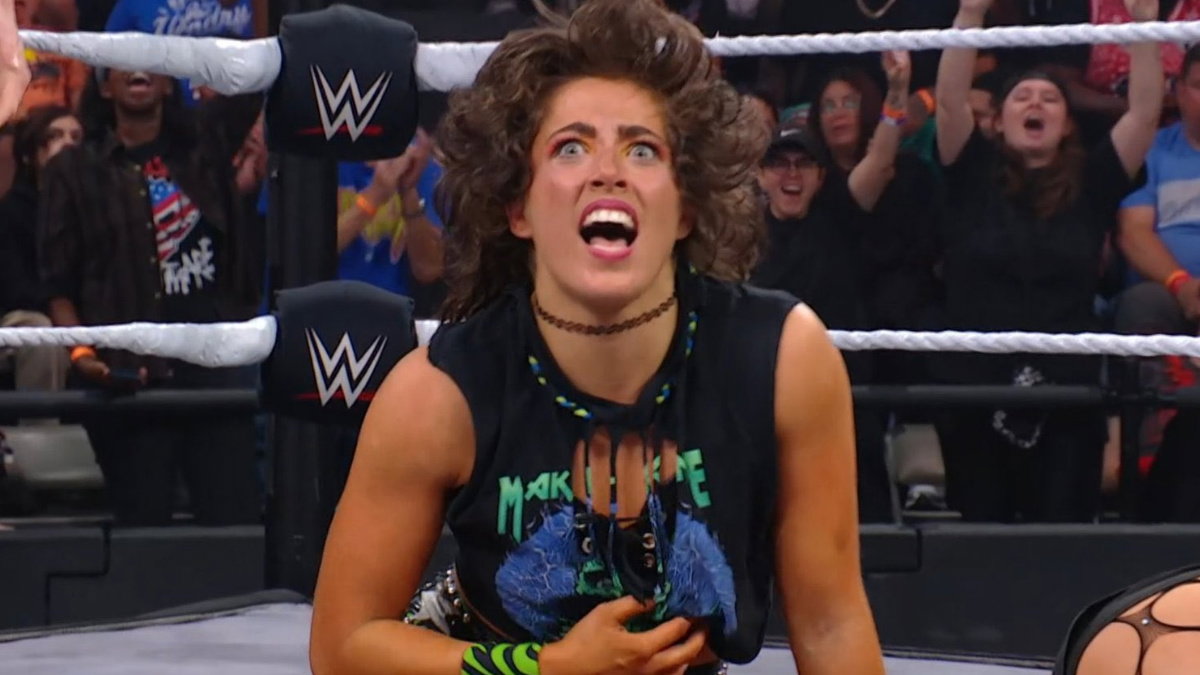
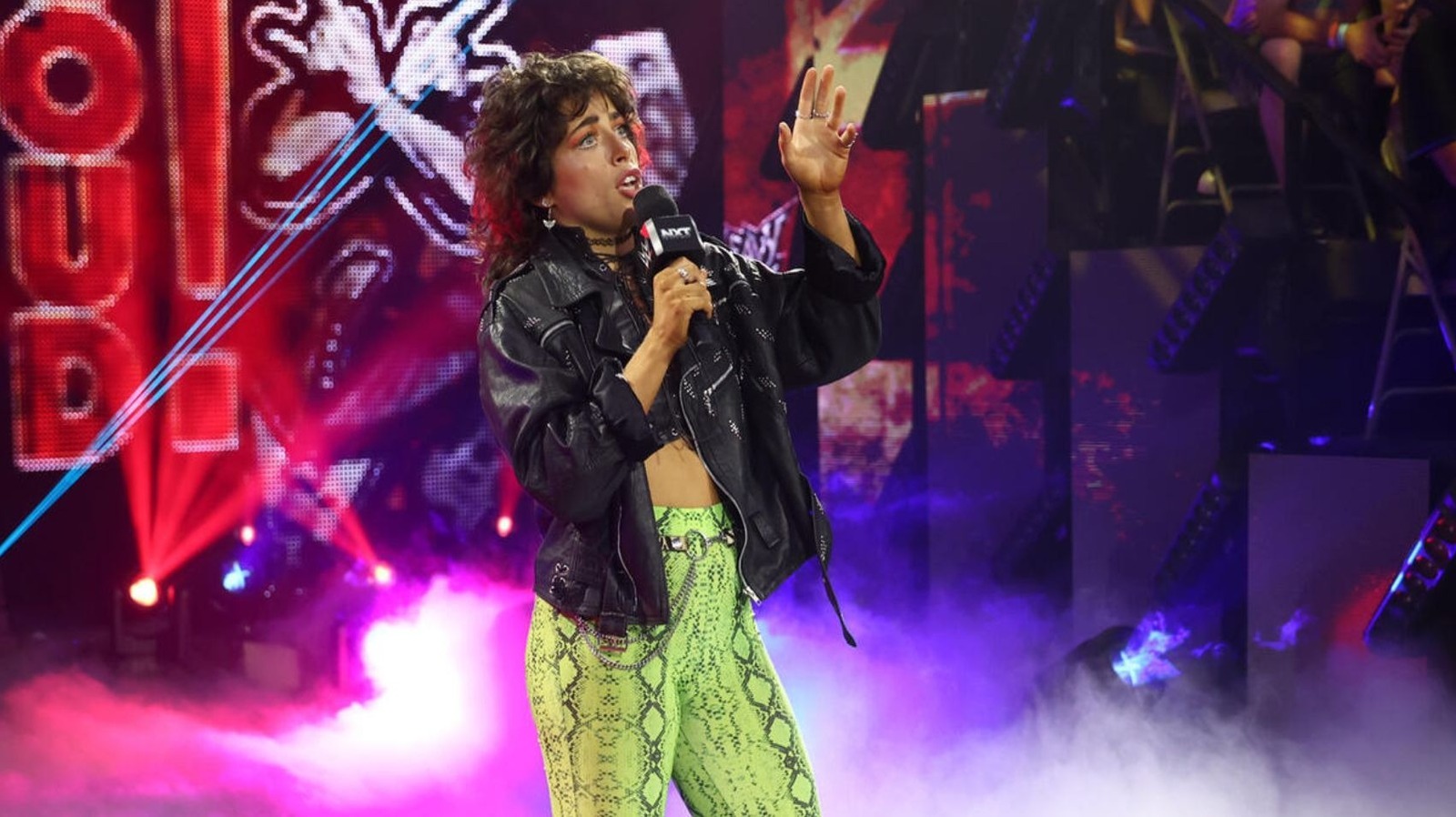
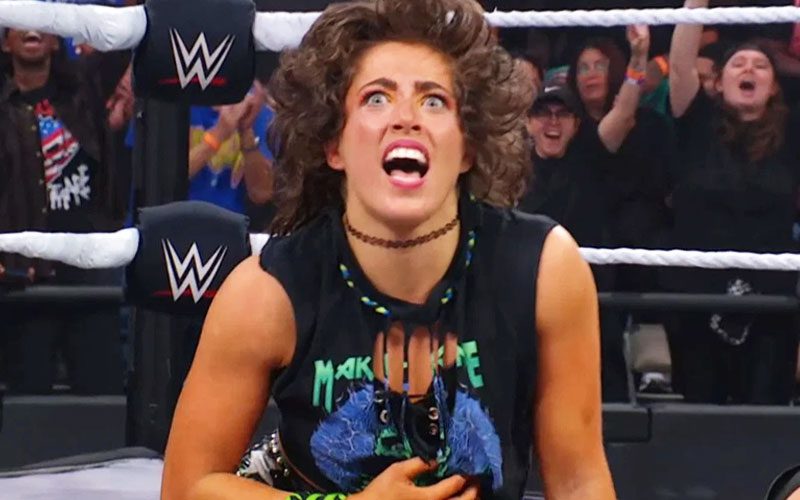
Lizzy Rain walked into the WWE Performance Center as an official employee in February 2026. Yesterday, April 28, she pinned Nikkita Lyons on national television.
As Ringside News noted, her debut came together rapidly behind the scenes. That is a 68-day turnaround from ink on a contract to a televised victory. In the modern era of WWE developmental, that number is a massive statistical outlier.
Shawn Michaels has built an entire program around patience. College athletes arrive with zero professional wrestling experience. They spend months taking bumps in empty rooms.
They run the ropes until their backs blister. A standard Name, Image, and Likeness recruit usually needs between 12 and 18 months before they even sniff a dark match. Rain bypassed that entire waiting period.
The timeline is genuinely startling when you look at the raw data. She wrestled a dark match against Layla Diggs on April 14. Exactly 14 days later, she debuted on the main NXT broadcast.
WWE simply does not move that fast unless they are covering up a roster shortage or they know they have a finished product. With Rain, it is entirely the latter.
She is 28 years old. In the sports entertainment business, 28 used to be considered young. Now, it is the age of a veteran.
The Performance Center is flooded with 21-year-old gymnasts and track stars. Putting Rain on television this fast wasn't just a booking choice. It was an admission that raw athleticism cannot replace a decade of ring psychology.
From SummerSlam MVP to TV ready
The true starting line for Rain's WWE run wasn't February. It was August 2025. During the SummerSlam weekend tryouts, she was universally named the MVP of the camp.
It took 254 days from that tryout to her debut against Lyons yesterday. Why the gap? Bureaucracy and geography. Relocating from London to Orlando takes time. Visas get delayed.
But the moment she touched down in Florida, the rocket was strapped to her back. She made a ringside cameo at NXT Vengeance Day in March, a subtle television introduction that most fans missed. The creative team was already mapping out her April arrival.
Look at the historical conversion rate of tryout MVPs. Most of them get signed, but many fade into the Florida loop of untelevised live events.
Rain skipped the loop. She went from the independent circuit in Europe directly to the Tuesday night lights.
Here is the exact timeline of her accelerated path to television:
- August 2025: Named MVP of the SummerSlam tryouts.
- February 2026: Officially signs her WWE contract.
- April 14, 2026: Wrestles an untelevised dark match against Layla Diggs.
- April 28, 2026: Televised debut and pinfall victory over Nikkita Lyons.
The PROGRESS connection and the Maiden of Metal
You cannot understand the 68-day statistic without looking at her background. Before she was Lizzy Rain, she wrestled as Rayne Leverkusen.
She carried the PROGRESS Women's Championship. She worked grueling matches for Pro-Wrestling: EVE and Sendai Girls in Japan. She already put in the 10,000 hours.
WWE didn't have to teach her how to work the hard camera. They didn't have to explain how to structure a comeback. She already knew.
That is the hidden value of signing a 28-year-old independent standout. They save the company thousands of hours in fundamental training time.
Her presentation is another finished product. The "Maiden of Metal" gimmick isn't a writer's room creation. It is a direct tribute to her uncle, the late Clive Burr, the original drummer for Iron Maiden.
The heavy metal aesthetic gives her an immediate visual identity. She doesn't need six months of focus groups to figure out her character.
Fans react to authenticity. When Rain walked down the ramp yesterday, the crowd bought it.
It wasn't a collegiate athlete playing a role. It was a wrestler doing what she has done for years, just on a larger stage.
Historical context: The Black and Gold speedrun
To truly understand how fast 68 days is, we have to look back at the Black and Gold era of NXT.
When Kevin Owens signed in 2014, he debuted at NXT TakeOver: R Evolution just months later. Finn Balor had a similar accelerated path. But those were established global icons.
Rain is not a former IWGP Heavyweight Champion. She was a standout in the United Kingdom, but she was not a household name in America. Giving her the Owens or Balor treatment shows supreme confidence from the coaching staff.
Compare her trajectory to a modern rookie signee. The average collegiate athlete spends roughly 400 days in the Performance Center before getting a televised entrance.
They spend their first year just learning how to run the ropes and take a flat back bump. Rain walked in knowing how to construct a complete television match.
Breaking down the Nikkita Lyons match
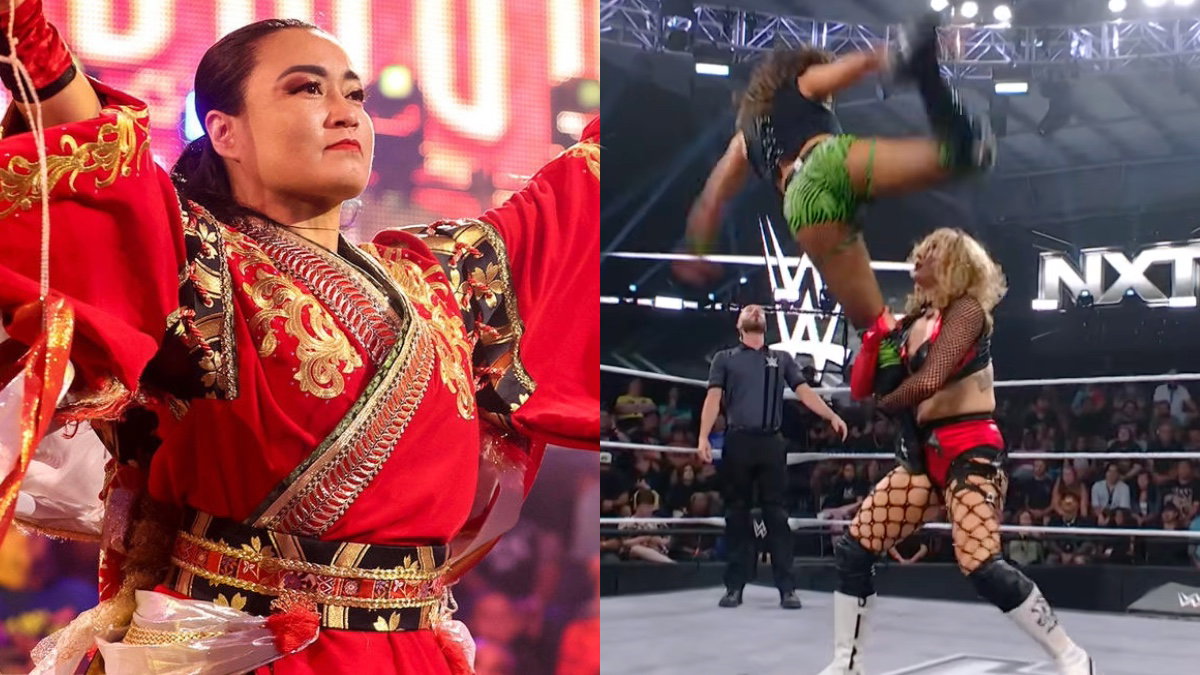
We need to talk about the actual debut match. WWE paired Rain with Nikkita Lyons, a booking decision that reveals exactly how management views both women.
Lyons has the size advantage. She controlled the majority of the early offense. But the match itself exposed some serious mechanical flaws.
This is where the glaring criticism comes in. Lyons simply looked slow. Against a polished worker like Rain, Lyons' hesitation between spots was obvious.
She relies heavily on power moves, but the transitions were clunky. The contrast in their experience levels made the first five minutes of the match feel disjointed.
Rain had to guide the pace. She bumped around to make Lyons look imposing.
When Lyons went for her signature Vader Bomb, Rain dodged it beautifully. That miss was the pivot point. Rain immediately hit her finisher, Thunderstruck, to secure the pinfall.
The finish was clean, sudden, and decisive.
But putting Rain with Lyons highlighted a glaring developmental problem. You have a rookie carrying a veteran of the NXT television product.
Lyons has been on TV for years, yet she still struggles with ring pacing. Rain, in her very first official broadcast match, looked like the seasoned pro.
The Backlash ripple effect
The timing of this debut is not a coincidence. WWE Backlash 2026 is happening on May 9. That is exactly 10 days away.
The post-WrestleMania season always features roster shakeups. The WWE Draft pulls top talent out of NXT and onto Raw or SmackDown.
NXT is about to lose bodies. Shawn Michaels needs new gatekeepers and new contenders immediately.
A 14-day turnaround from a dark match to a TV debut is a necessity when the main roster is poaching your top stars. Rain was fast-tracked because the division is about to have a massive vacuum at the top.
Look at the women's division math. If you lose two top stars to SmackDown next week, who takes their TV time?
You can't give 15 minutes to a rookie who doesn't know how to call a match in the ring. You give it to the veteran who can lead someone like Nikkita Lyons to a passable finish.
A shift in signing philosophy
For the last three years, WWE relied heavily on the college recruit program. They wanted blank slates. They wanted Division I track stars and gymnasts.
Lizzy Rain represents a return to the Triple H Black and Gold era philosophy. Buy the best independent talent and let them work.
The 68-day call-up statistic proves that this strategy is still viable. You can spend two years teaching a gymnast how to take a hip toss, or you can hire an indie veteran and put her on television two months later.
The financial efficiency of signing experienced workers cannot be ignored.
NXT is a television show first and a developmental territory second. The USA Network demands ratings.
Viewers will turn the channel if a match falls apart. Rain is an insurance policy against bad television.
Her debut wasn't just a feel-good story for a London indie wrestler. It was a mathematical correction.
The developmental system is rebalancing itself. You need a mix of high-ceiling athletes and high-floor veterans. Lizzy Rain is the ultimate high-floor signing.
What the numbers mean for the division
Let's review the hard data. One tryout in 2025. Signed in February 2026. A dark match on April 14. A TV debut on April 28.
A clean pinfall over an established roster member. Every single metric points to an accelerated push.
The Thunderstruck finisher is going to become a regular fixture on Tuesday nights. It is a sudden impact move that doesn't require complex setups.
That means she can hit it out of nowhere, a booking trope that WWE loves for building momentum.
She isn't here to spend two years wrestling on untelevised undercards. She is here to anchor the midcard and eventually challenge for the title.
The 254-day wait from SummerSlam to her TV debut was the only slow part of her journey. From this point forward, the math suggests she will be a heavily featured act.
Nikkita Lyons was just the baseline test. She passed it, despite the clumsy pacing from her opponent.
The real test will be when Rain is paired with the top workers in the division. When that happens, the 68-day sprint will look less like an anomaly and more like a genius front-office decision.