The brutal math of the training room
The human body was not designed to take 300 bumps a year. We are currently staring down a period in the industry where the rehab table is more crowded than the main event scene. From developmental prospects in Orlando to veterans fighting for one last run, the list of those sidelined with structural damage is staggering.
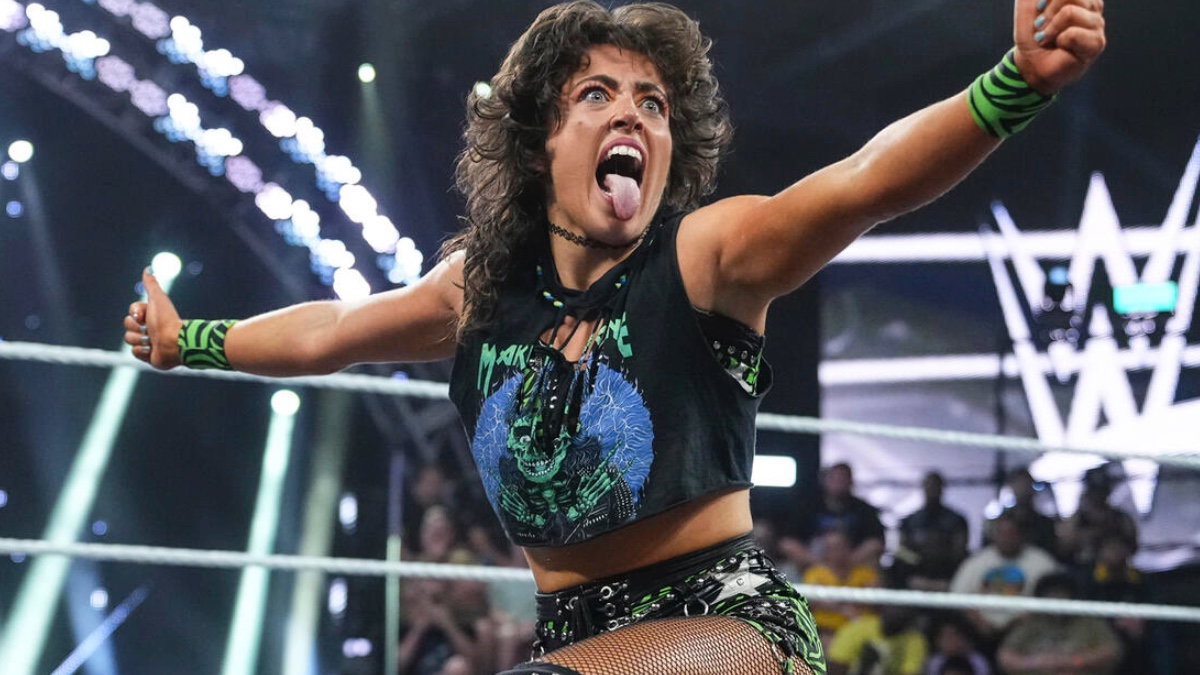
Lizzy Rain made her official return to the ring on the April 28 episode of WWE NXT. This was not just another debut; it was the culmination of a grueling recovery process that many expected would end her career before it truly began. Rain had been sidelined with a devastating ACL injury, a diagnosis that often acts as a death sentence for high-flying styles in the modern era.
As WrestleTalk reported, Rain revealed she genuinely doubted if she would ever step through the ropes again. The psychological toll of an ACL tear is often as heavy as the physical one. You spend months in a gym alone, pushing against a knee that feels like it belongs to someone else, wondering if the explosive twitch required for a top-rope maneuver will ever return.
The Orton Doctrine and the cost of longevity
The timing of Rain's return coincides with a growing conversation about athlete preservation within the Performance Center. Randy Orton, a man whose own career has been a masterclass in adaptation following major back and shoulder issues, recently sat down with current North American Champion Myles Borne. Orton's message was blunt and devoid of the usual locker room bravado.
This is a long career, you’ve gotta protect yourself.
Orton’s advice to Borne is a direct response to the "NXT Style" that has permeated the brand for a decade. The pressure to stand out on a one-hour broadcast often leads younger talent to take risks that their skeletal structures cannot sustain. Borne has been compared to a young Orton, but the veteran's warning suggests that mimicking the move set is less important than mimicking the survival instincts.
Borne took that advice to heart during his recent title defense against Saquon Shugars. Instead of engaging in a high-risk shootout, Borne played a tactical game, pitting members of the DarkState faction against each other to retain his gold. It was a cerebral performance that mirrored the "work smarter, not harder" philosophy that has kept Orton relevant for two decades.
The systematic risk of the developmental pipeline
Rain and Borne represent two sides of the same coin. One is fighting back from the brink of retirement; the other is being taught how to avoid the edge. But they aren't the only ones dealing with the physical tax of the developmental system. On that same April 28 broadcast, Sean Legacy returned after weeks on the shelf with an ankle injury.
Legacy’s return was unceremonious, appearing on TV without the fanfare of a produced vignette. This "quiet return" is becoming common as NXT cycles through a roster that is constantly in flux. When a talent like Legacy or Rain goes down, the machine does not stop. The arrival of Japanese star EVIL and the impending main roster debut of Ricky Saints means the spots are always filled, making the pressure to return early even more intense.
The medical reality of an ACL injury in 2026 is better than it was in 1996, but it is not a miracle. We have seen athletes like Tegan Nox suffer multiple tears, each one stripping away a layer of that initial speed. Rain’s return is a victory, but the history of this specific injury suggests she will have to reinvent her in-ring identity. You cannot land 100 450-splashes a year on a reconstructed ligament and expect it to hold for a ten-year career.
Strategic implications of the new media deal
The stakes for staying healthy have never been higher. With the announcement that WWE NXT and its premium live events are heading to ESPN Unlimited via a new partnership with The CW, the visibility of the brand is about to explode. This isn't just a developmental territory anymore; it is a primary revenue driver for the TKO group.
More eyeballs mean more dates. More dates mean less recovery time. The move to a major streaming platform like ESPN Unlimited suggests a schedule that will likely mirror the main roster’s touring demands. If NXT talent is already breaking down in the controlled environment of the Capitol Wrestling Center, the transition to a more rigorous broadcast schedule could be disastrous if the training philosophy doesn't shift.
There is a critical flaw in the current Performance Center model. While the facilities are world-class, the "all-out" nature of the weekly television product creates a disconnect. You cannot train for longevity in the morning and then perform a suicide dive into the third row in the evening. The medical team is essentially fighting a fire that the creative team is fueling with high-octane spots.
Looking ahead to the summer schedule
As we approach WWE Backlash and the summer heat of the tour, the medical report will be the most important document in the building. Lizzy Rain's successful return provides a template for resilience, but it should also serve as a cautionary tale. She lost nearly a year of her prime to a single misstep.
The industry impact of these injuries extends to the fans. We lose months of storytelling. We lose potential classic matches. When Ricky Starks says goodbye to NXT to head to the main roster, he leaves a hole that can only be filled by healthy, reliable talent. If the next generation is constantly in physical therapy, the "call-up" pipeline will eventually run dry.
For now, Rain is back. Legacy is back. Borne is listening to the veterans. But the question remains: how many more ACL tears will it take before the style of the "B-Brand" finally slows down? The 300 bumps might be the standard, but the cost of doing business is getting too high for most to pay.