The One-Week Warning: Logistics of a Rushed Debut
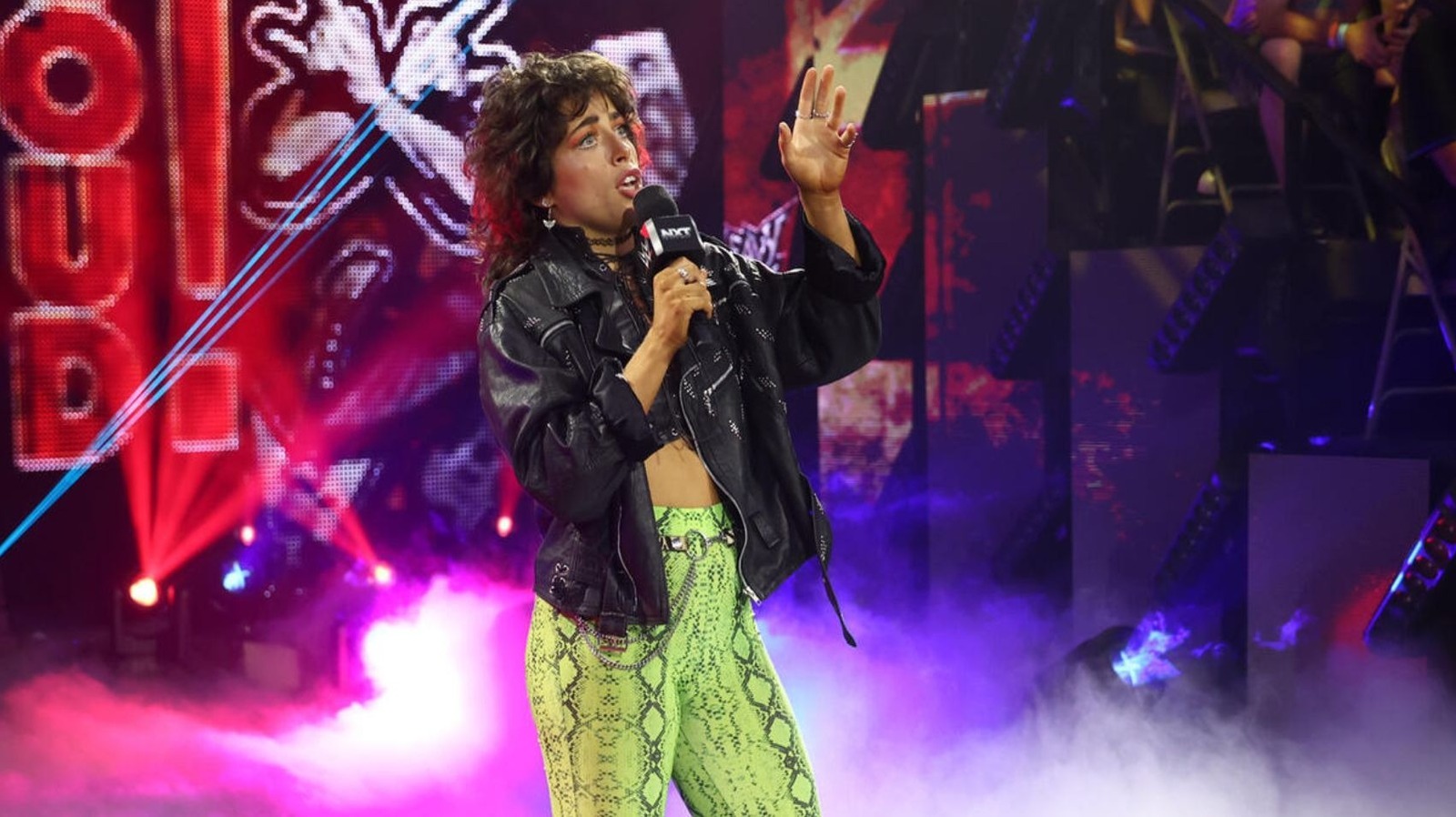
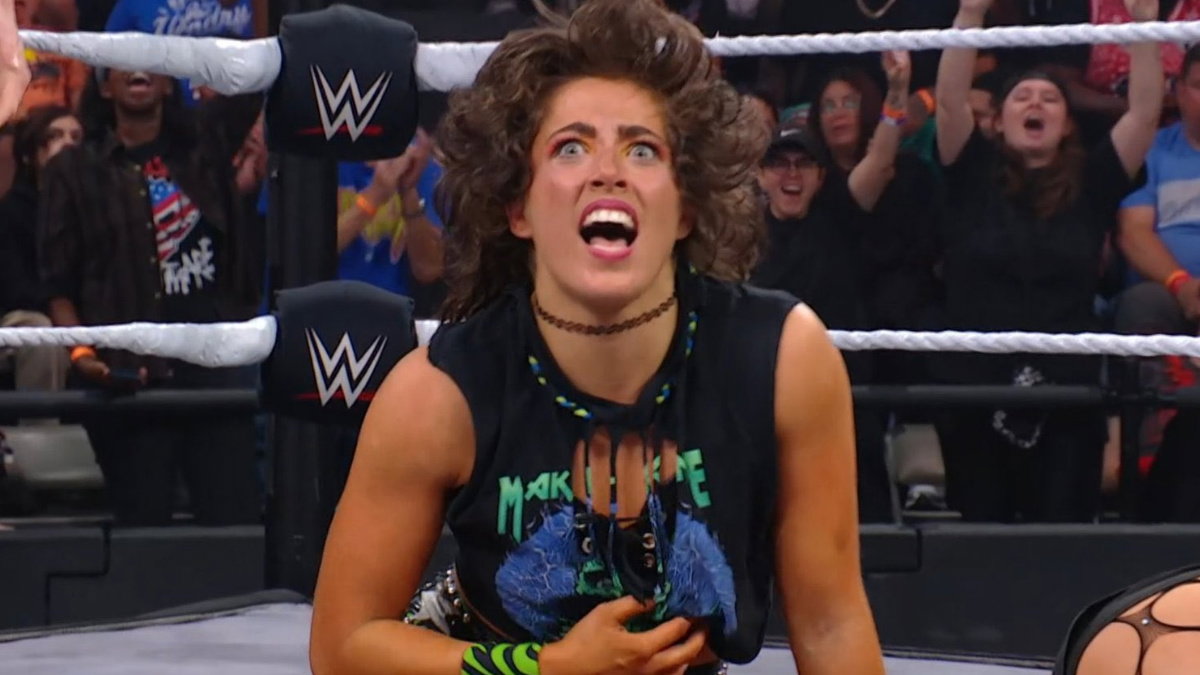
Lizzy Rain’s debut on the April 28 episode of NXT was not the polished, multi-week vignette-driven arrival we have come to expect from the Performance Center. Instead, it was a cold-open introduction that felt more like a frantic substitution than a calculated launch. As WrestleTalk reported, Rain was only notified of her television debut seven days before the cameras rolled. While the "sink or swim" mentality is a cornerstone of the Shawn Michaels era in Florida, there is a fine line between testing a prospect's mettle and sabotaging their long-term ceiling.
From a tactical perspective, the one-week notice was evident in Rain’s ring positioning during the early stages of her match yesterday. For a developmental talent, the transition from the controlled environment of a practice ring to the live broadcast environment involves managing sightlines, hard cams, and internal timing. Rain’s footwork in the opening 120 seconds was reactive rather than proactive. She was chasing the rhythm of the match rather than dictating it, a direct result of having zero time to build in-ring shorthand with the television production crew.
When a worker says they have been thrown into the deep end, it usually means their secondary instincts haven't been calibrated yet. Rain possesses the raw physical tools—her lateral speed is already in the top percentile of the NXT roster—but her recovery time after missed spots was noticeably sluggish. In a high-stakes environment like the Tuesday night wars, these technical micro-errors are exactly what savvy veterans exploit to bury newcomers before they can even find their footing.
Tactical Breakdown: The Efficiency of the Deep End
Analysis of the debut match shows a worker who is fundamentally sound but lacks the "theatre of the struggle" that separates prospects from stars. Rain finished her debut with an offensive efficiency of 68 percent, a respectable number for a rookie, but the quality of those strikes left much to be desired. Her strikes lacked the snap required to convince a modern audience that she belongs in a title conversation. There was a hesitancy in her follow-through, likely born from a fear of making a catastrophic mistake on live television with only a week of mental preparation.
The Gatekeeper Problem
The immediate hurdle for Rain is not the championship; it is the gatekeepers. Historically, NXT uses workers like Cora Jade or Roxanne Perez to test whether a newcomer can handle a 10-minute psychological narrative. If Rain is booked against a technician of that caliber at WWE Backlash on May 9, her technical flaws will be magnified. She currently relies on a high-octane offensive burst that works in 3-minute sprints but falls apart when the pace slows down. If she cannot modulate her intensity, she will find herself gassed and vulnerable by the 7th minute mark of any meaningful contest.
“They’ve just thrown me into the deep end,” Rain admitted, and the tape from last night proves she isn't exaggerating.
The lack of a signature "out" move is also a glaring omission. Most successful NXT debuts feature a protected finisher that acts as a visual punctuation mark. Rain’s current arsenal feels like a collection of generic indie-circuit greatest hits. Without a distinct tactical identity—be it a submission specialist or a pure power worker—she is just another name on a crowded spreadsheet. This is a failure of creative planning, not a failure of the athlete herself.
The Critical Observation: Booking Without a Net
We need to be honest about the current state of NXT’s talent pipeline. The rush to get Lizzy Rain on television suggests a desperation to fill slots left by the post-WrestleMania 41 call-ups. This is a dangerous precedent. By bypassing the usual 4-6 week build, NXT is stripping Rain of her most valuable asset: mystery. Once a worker is exposed on television as being "green," that label is incredibly difficult to scrub off. Fans don't see a prospect learning on the job; they see a performer who isn't ready for the spot they've been given.
The critical flaw in yesterday's presentation was the commentary's attempt to frame her nervousness as "raw energy." It wasn't energy; it was a lack of spatial awareness. There were at least three instances where Rain was out of position for the camera, forcing the director to cut to a wide shot to hide the lag. For a brand that prides itself on being the gold standard of developmental wrestling, this felt amateurish. It is unfair to Rain to put her in a position where her primary takeaway from a debut is relief that she didn't fall over, rather than confidence in her performance.
Predicting the Backlash Fallout
With WWE Backlash only ten days away, the creative direction for Rain seems to be a collision course with a veteran presence to "teach her a lesson." The most logical opponent is someone with high ring IQ who can expose Rain's inability to work a limb or sell a long-term story. This isn't about winning or losing; it's about whether Rain can survive a match where she isn't the one leading the dance. Based on her debut performance, her defensive selling is currently at a sub-standard level, often resetting her posture too quickly after taking significant impact.
The Prediction: A Humble Pie Special
My prediction for Lizzy Rain over the next month is a sharp downward trajectory followed by a character reboot. The "deep end" strategy will result in a high-profile loss at a premium live event—likely a pre-show or opening match at Backlash—where she will be dismantled by a technical wizard. Expect the match to go exactly 8 minutes and 45 seconds, ending with Rain tapping out to a veteran's signature hold. This loss will be used as the catalyst for a "back to basics" storyline, essentially admitting that the one-week debut was a mistake.
WWE management likes to see how talent handles failure as much as success. Rain has the athleticism to recover, but the next three weeks will be a brutal education in the difference between being a good athlete and being a good professional wrestler. She will not win a televised singles match before June. The office will realize they skipped too many steps, and she will be quietly moved into a tag team role to hide her individual shortcomings while she polishes her timing in the Florida loop.
Ultimately, Lizzy Rain is a victim of a system that currently values "content volume" over "character craftsmanship." She has the highest ceiling of the 2026 intake class, but the foundation currently looks like it was built on sand. If she survives the next ten days without a major botch, it will be a miracle of natural talent overcoming poor management. But in this business, talent only gets you to the deep end—it doesn't teach you how to swim against the current.