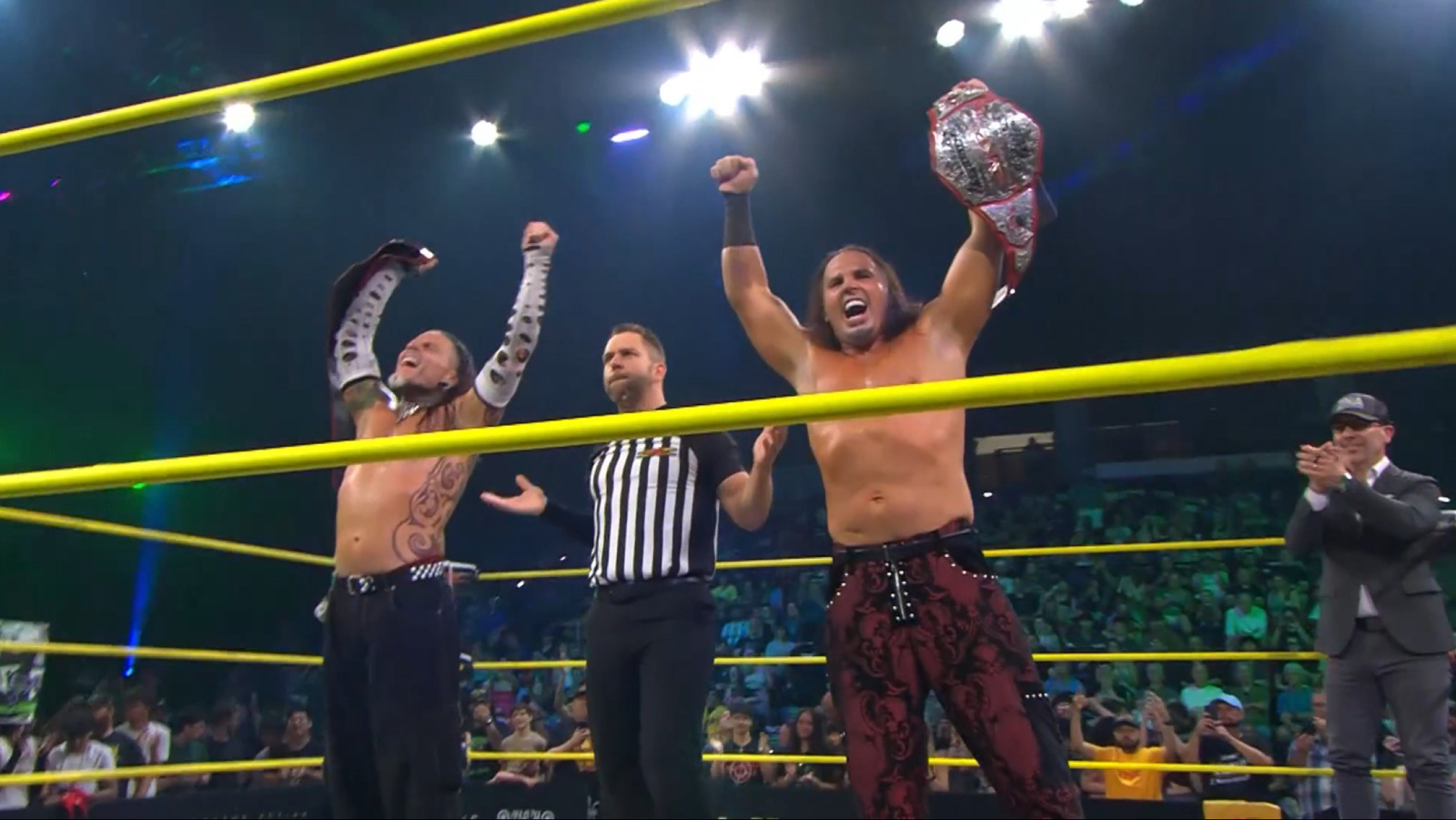
The Hardys are taking the Hardy Party to Sacramento and it’s complicated
The nostalgia trap and the Sacramento stop
As PWInsider reported, the Hardy Party is rolling into Sacramento, California. On the surface, it’s another date on the calendar for a duo that has spent three decades on the road. But in May 2026, the context of Matt and Jeff Hardy’s career has shifted from a victory lap to a complex survival exercise. They are no longer the daredevils of the TLC era; they are tactical veterans managing a finite amount of physical capital.
Sacramento represents more than just a tour stop. It is a litmus test for the viability of the Hardy brand in an era where the work rate has never been higher. The audience in Northern California has seen every iteration of the brothers, from the New Brood to the Broken universe. Now, they get the 'Hardy Party'—a curated blend of nostalgia and survivalist wrestling that attempts to mask the inevitable slowing of two men in their late 40s.
The tactical reality of a 2026 Hardy Boyz match is a masterclass in economy of motion. You won't see the frantic, 200-mph pacing of the early 2000s. Instead, you see Matt Hardy acting as the traffic controller, directing traffic and ensuring the match hits its emotional beats while Jeff prepares for the high-impact bursts that define his career. It is a delicate balance that often teeters on the edge of transparency.
Analyzing the physical toll of the Charismatic Enigma
We need to talk about the Swanton Bomb. In their last televised outing, Jeff Hardy’s signature move looked more like a controlled fall than a high-flying senton. The 48-year-old veteran is clearly protecting his spine, landing flatter and with less rotation than he did even two years ago. This isn't a criticism of his courage; it’s a cold observation of biomechanics. Every time Jeff climbs that turnbuckle, the room goes quiet, not just in anticipation, but in a collective holding of breath.
The Swanton Bomb has a 100% impact rate on the person delivering it. In 2026, the toll is visible in Jeff’s gait. He is slower to the corner, taking an extra three seconds to steady himself on the ropes. Tactically, this changes how their opponents have to work. You cannot work a fast-paced sprint with the 2026 Hardys. You have to work a southern-style tag match: heavy on the heat, long on the hope spots, and quick on the finish.
Jeff’s individual path remains the biggest variable in the 'Hardy Party' equation. His reliability has been the subject of countless columns, and while he has remained professional and focused during this current run, the specter of his past hangs over every booking. Pro wrestling is a business built on trust, and in Sacramento, the fans aren't just buying a ticket for a match; they are buying into the hope that the Enigma is still whole.
Matt Hardy as the creative architect
While Jeff provides the highlights, Matt Hardy provides the structure. Matt has always been the superior psychologist of the two, and in 2026, he has leaned into that. He understands that the Hardys can no longer win on athleticism. They win on 'experience.' In their recent match against younger talent, Matt’s positioning at the 14-minute mark was perfect—he cut off the ring, used the ropes to stifle a comeback, and slowed the pace to a crawl when the younger team threatened to outrun them.
This is where the 'Hardy Party' brand becomes a shield. It allows them to bypass the need for 25-minute technical masterpieces. They trade on the roar of the crowd during the 'Delete' chants and the synchronicity of the double leg drop. It is efficient, but it is also limiting. There is a ceiling on how far a nostalgia act can go before the audience begins to notice the gaps in the footwork and the heaviness in the breath.
Matt’s ability to reinvent himself has been his greatest asset. From 'Version 1' to 'Big Money Matt,' he has always found a way to stay relevant. But in Sacramento, the gimmick is stripped back. This is Matt and Jeff as they are: two legends trying to find a place in a world that has moved on to the hybrid styles of NXT and the high-flying absurdity of the modern indie scene. They are the old guard, and the tension between their legacy and their current capability is where the real story lies.
The critical failure of the nostalgia loop
Here is the uncomfortable truth that most fan-focused sites won't admit: the Hardys are occasionally a drag on the tag team division’s momentum. By occupying the 'Hardy Party' slot, they are taking minutes away from younger teams who need that oxygen. In Sacramento, they will likely go over a local team or a pair of rising stars, and while the pop will be loud, it does nothing for the future of the territory. It is a short-term gain for a long-term stagnation.
There is also the issue of match quality. If you watch their tape from the last six months, there is a recurring pattern of missed spots and miscommunications. A rolling elbow that misses by six inches, a Code Red that looks clunky because the strength isn't quite there to support the rotation. These are the cracks in the foundation. When you are a high-flyer who can no longer fly with precision, you become a tribute act to yourself. It is a difficult transition to watch.
The Hardys are no longer wrestling their opponents; they are wrestling the clock and their own medical charts.
The pacing of their matches has become a significant hurdle. Modern fans are conditioned for the 'indie-riffic' style—constant motion, transitions every five seconds. The Hardys operate on a 1998 logic. They want to sell, they want to build, they want the crowd to chant. But when the selling takes too long because they actually need the rest, the immersion breaks. The 'Hardy Party' feels less like a celebration and more like a weary gathering of old friends who are too tired to keep the music playing.
The Sacramento market and the bottom line
From a promoter’s perspective, booking the Hardys in Sacramento is a no-brainer. They move tickets. They move merchandise. The $45 t-shirt sales alone justify the flight costs. But we have to ask what the 'Hardy Party' is actually contributing to the wrestling discourse in 2026. Is it just a safe harbor for fans who don't like the new style? Or is it a legitimate attempt to evolve tag team wrestling? Right now, it feels like the former.
The Golden 1 Center crowd, or whichever Sacramento hall they find themselves in, will give them the hero’s welcome. They will do the 'Twist of Fate' and the 'Swanton,' and for 12 minutes, everyone will forget that it’s 2026. But the morning after, the reality remains: the Hardys are on a collision course with retirement, and every 'Hardy Party' might be the last one where they both walk out under their own power.
The tactical shift toward a safer, slower style is necessary, but it also strips away the very thing that made them stars. They were the 'Xtreme' team. Without the extremity, they are just two guys in cargo pants doing familiar moves. The irony is that by trying to save their bodies, they are slowly eroding their brand. Sacramento will cheer, but the analysts will be watching the way Jeff favors his left hip after every bump.
Conclusion: Chasing the sun in California
The Hardys heading to Sacramento is a story of resilience, but also one of stubbornness. They refuse to go quietly into the night, even as the night has already begun to settle. The 'Hardy Party' is a clever bit of marketing, turning a physical decline into a communal celebration. It works because we want it to work. We want to believe that Jeff can still fly and Matt can still outthink the world.
But as the May 9 Backlash event looms and the wider wrestling world looks toward the future, the Hardys remain anchored in a perpetual 'best-of' tour. Sacramento is just another stop on a road that has no clear destination. They aren't building toward a title run that anyone takes seriously, and they aren't mentoring the next generation in a way that feels transformative. They are simply there, being the Hardys, for as long as the wheels stay on the wagon.
Ultimately, the analysis of the Hardys in 2026 isn't about the wins or the losses. It’s about the cost of the performance. Every 'Hardy Party' has a cleanup crew, and in this case, the cleanup is being done by the doctors and physical therapists who keep Matt and Jeff in ring shape. In Sacramento, the party continues, but the music is definitely getting quieter. The fans will enjoy the show, but the notebook-carrying analysts will continue to track the fading arc of the Swanton Bomb, wondering exactly when the party finally has to end.
Frequently Asked Questions
Why are the Hardy Boyz wrestling in Sacramento?
How has Jeff Hardy's wrestling style changed?
What role does Matt Hardy play in their 2026 matches?
How do opponents need to wrestle the Hardy Boyz now?
What is the current state of the 'Hardy Party' brand?
More Coverage
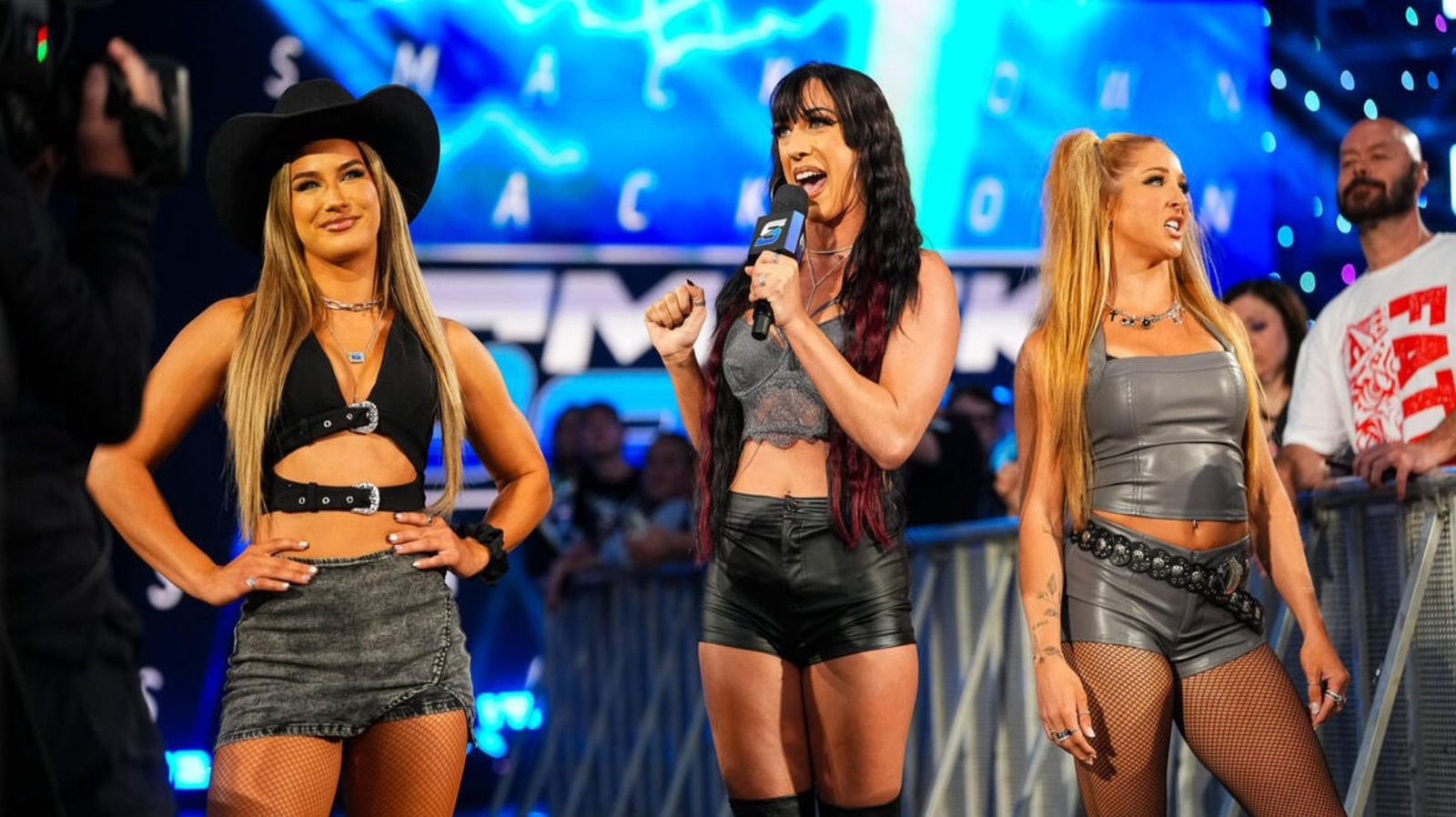
Fatal Influence are testing the durability of WWE's tag team division
9 hours ago
TNA is ramping up for a massive July 23 show
1 day, 7 hours ago
TNA is loading up the July 23 Impact card to fix their momentum issues
1 day, 7 hours ago
Top 10: Wrestling Moments That Changed How We Watch
1 day, 16 hours agoDanhausen's NYC street march highlights the changing nature of wrestling reach
1 day, 20 hours ago
The Hardys are reclaiming their narrative on Impact
2 days, 11 hours agoMore Analysis
Matt and Jeff Hardy are nearing a final, necessary pivot
3 weeks, 4 days ago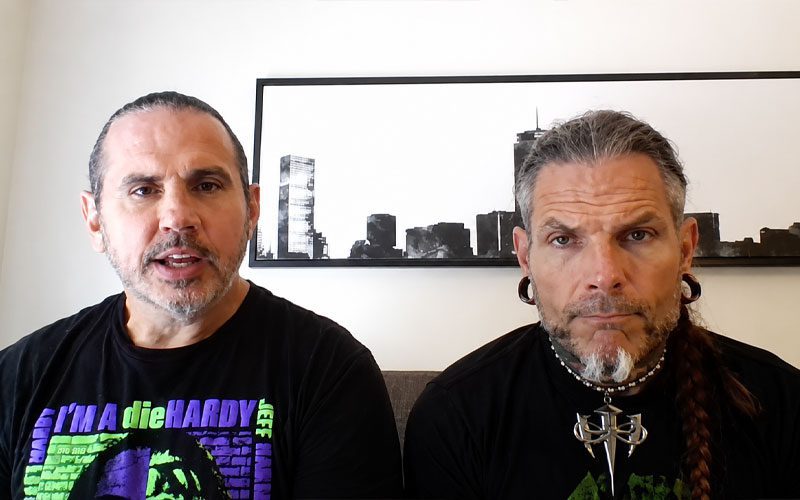
Why The Hardys’ TNA reunion is a gamble on the future, not the past
1 month ago
TNA is playing a dangerous game with The Hardys’ legacy
1 month, 2 weeks ago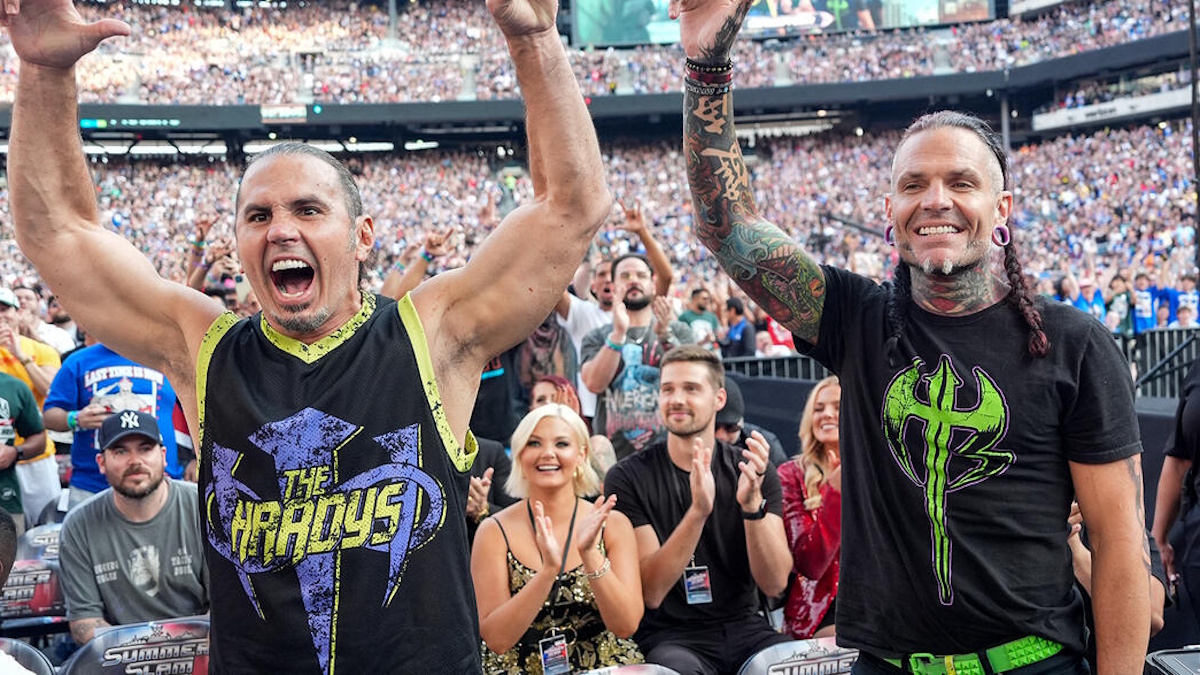
The Hardy Boys are pushing their luck and it’s getting hard to watch
3 weeks, 3 days ago
Matt Hardy and the burden of being Loaded in 2026
2 months ago