The brutal math of the training room
The human body was not designed to take 300 bumps a year. We are currently staring down a period in the industry where the rehab table is more crowded than the main event scene. From developmental prospects in Orlando to veterans fighting for one last run, the list of those sidelined with structural damage is staggering.
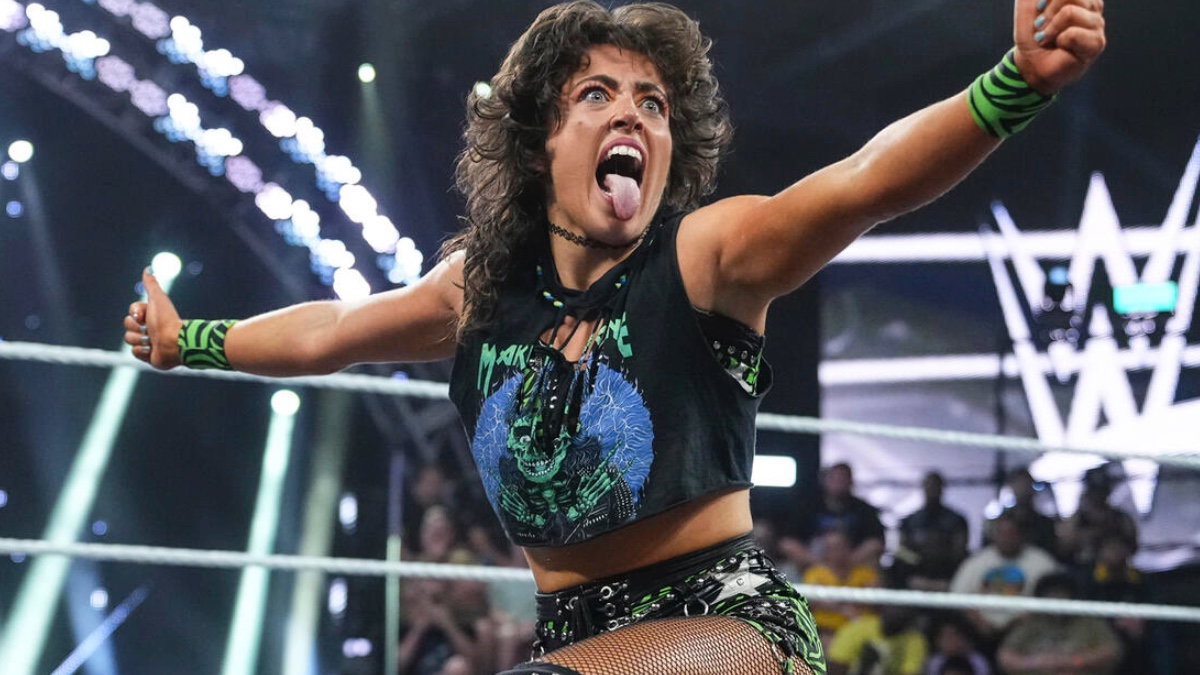
Take the case of Lizzy Rain. Her path through WWE NXT took a terrifying detour when an ACL tear threatened to end her career before it truly gained traction. As WrestleTalk recently detailed, the psychological toll of that recovery was arguably heavier than the physical therapy itself.
All that I wanted was another match.
Rain's admission highlights a dark reality: these athletes live for the pop, and when the knee gives out, the silence of the locker room is deafening. She wasn't just rehabbing a ligament; she was fighting to reclaim her identity. That she managed to return to the April 28 episode of NXT serves as a rare win in a sport that usually chews up talent and spits it out.
The trickle-down effect of recovery timelines
It isn't just the newer generation dealing with these setbacks. The industry has become hyper-aware of how a single misstep changes booking plans for months at a time. The current focus on knee health across promotions like WWE and the independent scene is a reaction to the sheer volume of lost time.
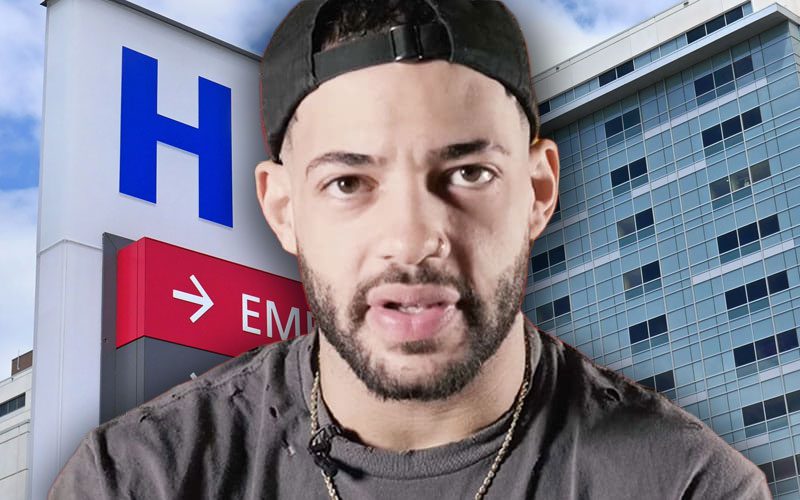
Trey Miguel is the latest name to surface with a positive update on his own road back. Given the intensity of his style—which relies heavily on high-impact landings and agility—the concern was that he might miss a year of his prime. Sources suggest his progress is ahead of schedule, which is a massive morale boost for fans who feared a long-term absence.
However, we have to talk about the booking inconsistencies that accompany these returns. When a performer comes back, the temptation is always to put them back into a high-octane program immediately. That is a mistake. The human body needs a transition period that the current 52-week TV model rarely provides.
The wear and tear of a veteran career
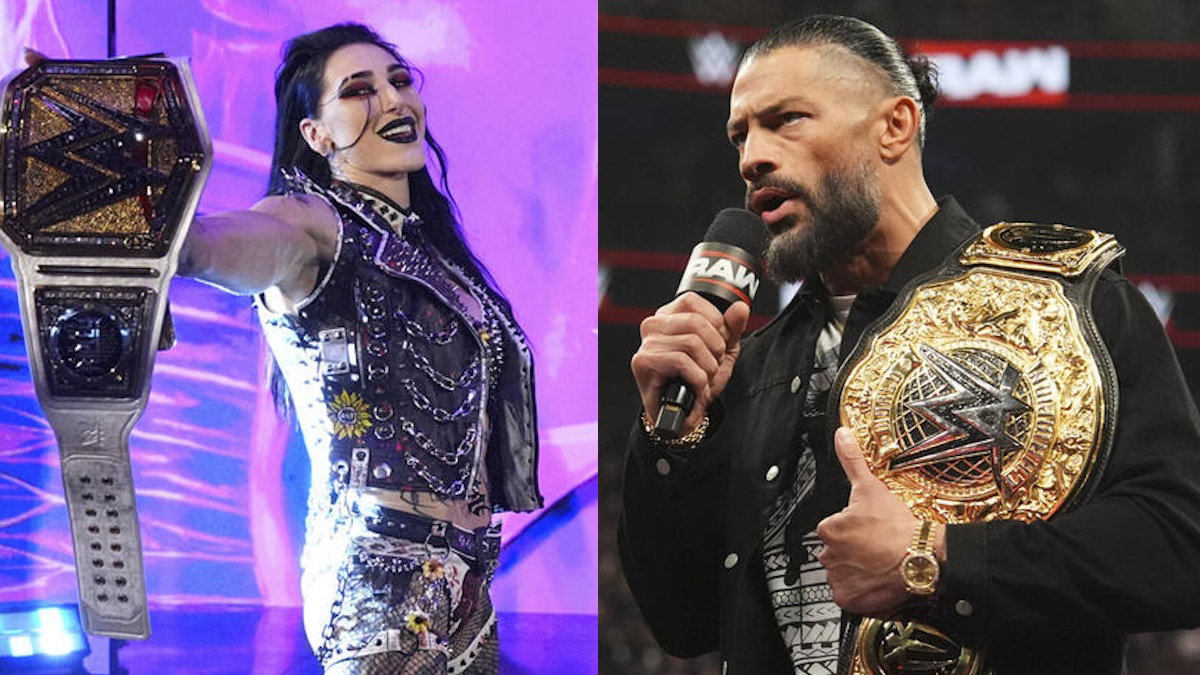
While ACLs and meniscus tears are common for younger, high-flyer styles, the older guard is battling a different monster: persistent, degenerative shoulder and joint degradation. Sheamus recently provided an update on his shoulder condition, and it paints a weary picture of a man who has competed at the highest level for over a decade.
The Celtic Warrior has built his entire reputation on the 'Banger' philosophy, delivering stiff, hard-hitting matches that leave opponents bruised. But you cannot hit that hard without taking the recoil. His situation underscores the limitations of the current schedule; even the most decorated veterans are starting to show their age in ways that physical therapy cannot always fix.
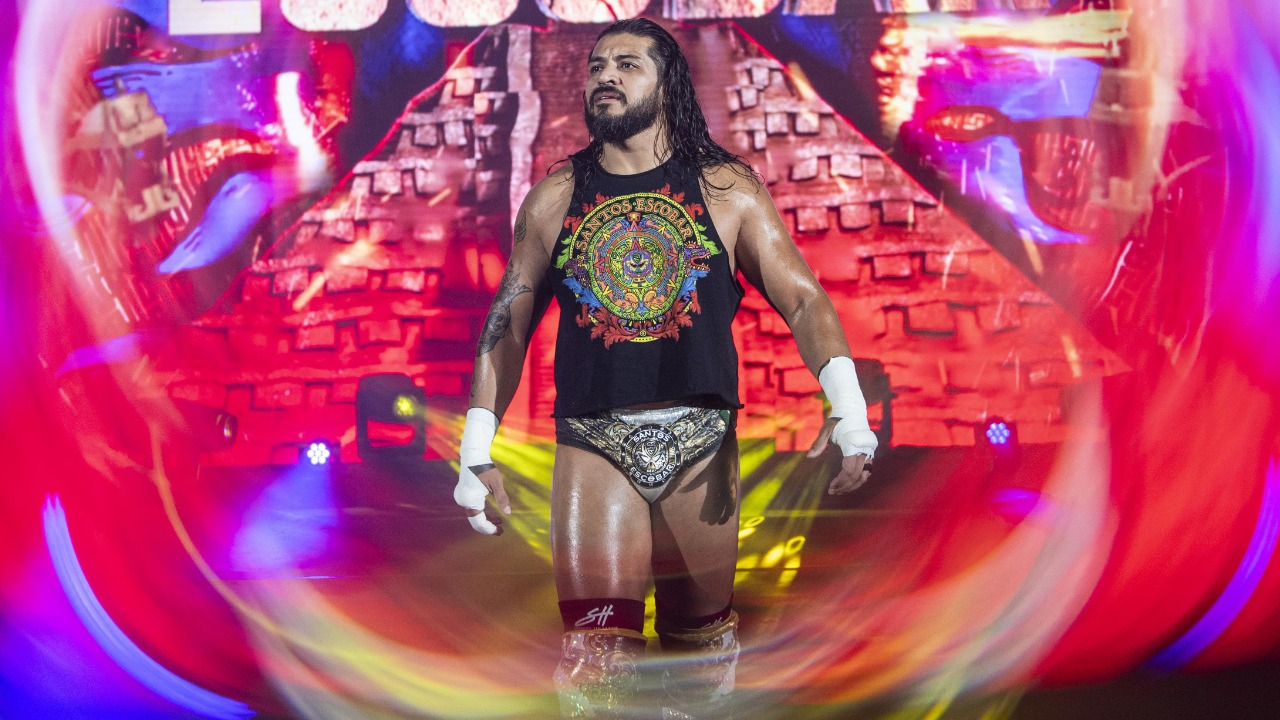
This reality also creates a vacuum in the landscape for talent recently let go from the major promotions. Santos Escobar, for example, is currently navigating an exit and recovery period that leaves his future in limbo. According to reports regarding his post-WWE destination, the market for a worker of his caliber remains high, but the question marks surrounding his physical health after his recent layoff inevitably complicate any potential contract negotiations.
Booking around the breaking point
The industry is obsessed with building stars, but it is abysmal at protecting their shelf life. We constantly see talent pushed through minor tweaks, turning them into season-ending injuries. By the time someone reaches the level of a main event player, the amount of scar tissue they are carrying is terrifying.
Consider the contrast between the athletes we want to see and the athletes who are physically capable of performing. We demand 20-minute classics every week on television, but we ignore the fact that the human joints involved are hitting a wall. If the major promotions don't find a way to rotate rosters more effectively, we’re going to continue seeing these "miracle returns" that are actually just patches on a sinking ship.
The medical team at the Performance Center has arguably become the most important wing of the entire building. Without their intervention, the transition of talent from the PC to the main roster would collapse entirely. It is a cynical take, but the booking team is effectively held hostage by the training room charts. When a star like Rain or Miguel goes down, the entire narrative arc of their respective brand has to be rewritten in real-time.
It leaves us with a simple, harsh conclusion: the most valuable asset in modern wrestling isn't a mic skill or a high-flyer move. It's the ability to stay healthy for 365 days. Whoever masters the art of maintenance will own the next three years of the business. Everyone else is just waiting for the next MRI appointment.