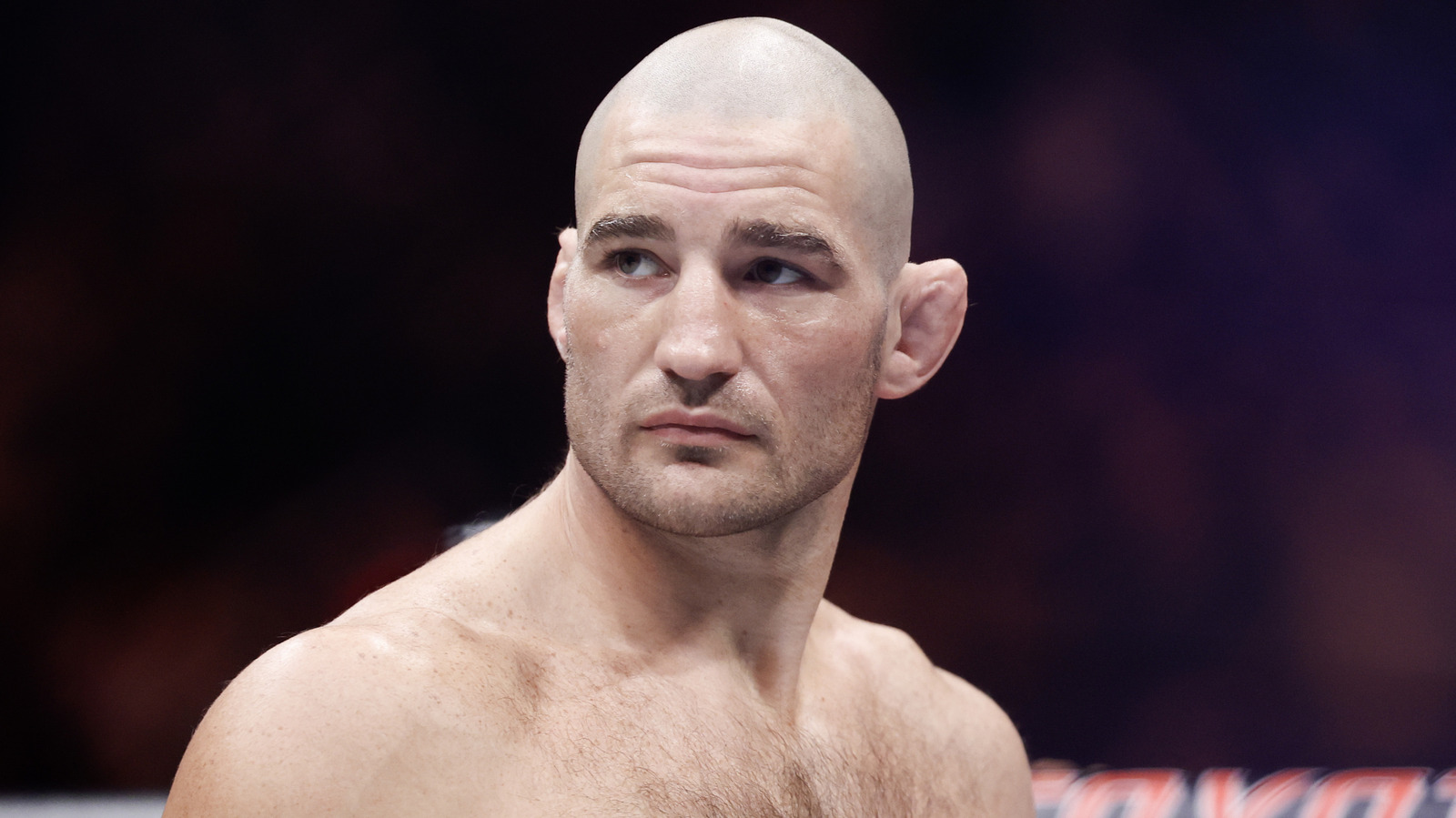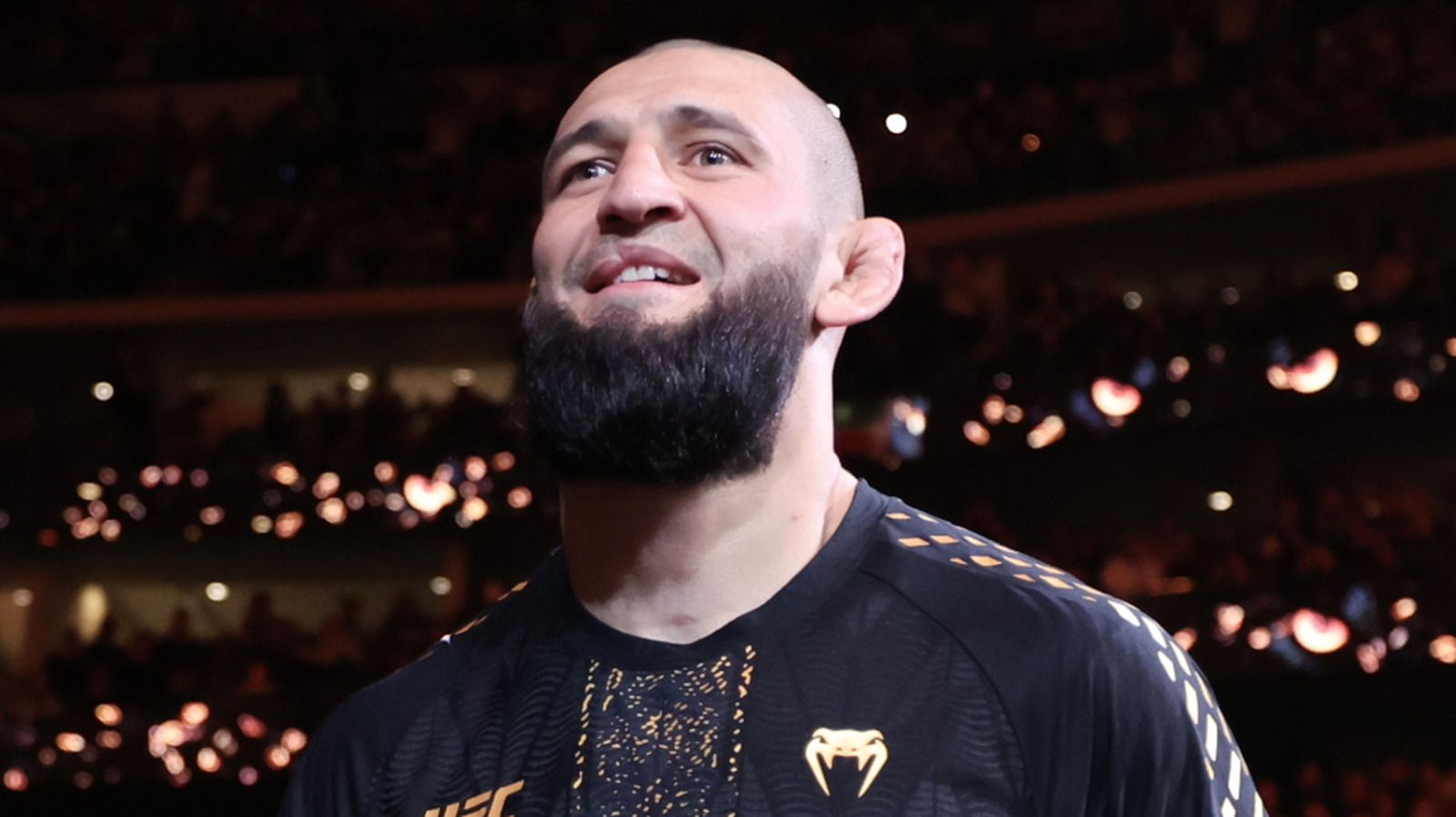
Khamzat Chimaev absorbed exactly two strikes across his first four UFC appearances. It was a statistical anomaly that defied the violent reality of mixed martial arts. He was untouchable. But the version of 'Borz' that showed up at UFC 328 looked entirely human. The numbers explain exactly why.
According to a revealing admission from his own brother, Chimaev's body simply failed him following a gruesome weight cut. As Wrestling Inc reported, the drastic depletion left him compromised before the cage door even locked. This isn't just a post-fight excuse. It is a physiological inevitability backed by years of cage data.
The mathematics of depletion
Extreme weight cutting remains the sport's biggest unforced error. When a fighter drains more than 10 percent of their body mass in the final 48 hours before a bout, their measurable output plummets. The cerebrospinal fluid surrounding the brain decreases. The cardiovascular system works overtime just to circulate thickened blood.
Historically, the data tells a brutal story. Fighters who endure a catastrophic cut—even if they eventually make the limit—see their third-round output drop by nearly half. Their significant strikes landed per minute fall off a cliff.
We saw the early warning signs years ago. At UFC 279, Chimaev famously missed the welterweight limit by 7.5 pounds. That was a structural failure of his camp's preparation. The move to middleweight was supposed to fix this. It was supposed to allow him to retain his terrifying explosive power without draining his life force.
Instead, the ghost of the scale has followed him to 185 pounds. The UFC 328 performance showcased a fighter whose fast-twitch muscle fibers were completely suffocated by dehydration.
A terrifying drop in output
Let's look at the historical control time. During his early run, Chimaev averaged over six minutes of dominant top control per fight. He didn't just take opponents down; he drowned them. He maintained a relentless pace that required massive aerobic capacity.
When a fighter is badly depleted, wrestling is the first thing to go. Taking a resisting opponent to the mat requires explosive isometric strength. Doing it repeatedly requires a pristine cardiovascular base. At UFC 328, the explosive double-leg entries lacked their usual velocity.
The stats community has tracked this phenomenon for years. When a grappling-heavy fighter suffers a bad cut, their takedown success rate drops from an average of 45 percent down to the low twenties. They shoot from too far outside. They lack the chain-wrestling endurance to finish on the fence. Chimaev looked exactly like a statistical victim of his own weight management.
The historical precedent of weight disasters
Chimaev is not the first elite talent to be derailed by the scale. We can look back at Darren Till's run at welterweight. Till was massive for 170 pounds, but the cuts eventually destroyed his chin and his cardio.
We can look at TJ Dillashaw dropping to flyweight, where the depletion compromised his punch resistance instantly. The brain simply cannot absorb trauma when it is devoid of water.
In the modern UFC, the win rate for fighters who noticeably struggle on the scale hovers around 47 percent. It is essentially a coin flip, negating whatever technical advantages the fighter might possess. When you step into the octagon compromised, you are fighting your own organs before you even address your opponent.
A glaring professional failure
This brings us to a harsh reality about Chimaev's team. His camp has repeatedly failed to manage his physiology safely. It is a glaring professional failure.
You cannot rely on pure ferocity to win at the highest level of mixed martial arts. At a certain point, sports science has to matter. His corner and his nutritionists have seemingly learned nothing from the UFC 279 debacle.
Moving up a weight class only works if you don't immediately expand your walking weight to recreate the exact same problem. If Chimaev is now struggling to make middleweight, it indicates a lack of year-round discipline. Elite fighters like Georges St-Pierre and Demetrious Johnson mastered the math of their own bodies. Chimaev is still guessing.
The cost of the first round
Look at the pacing data. A healthy Chimaev throws with malicious intent from the opening bell. He historically attempts over four significant strikes per minute in the first frame.
When a fighter knows their gas tank is compromised from a bad cut, they subconsciously conserve energy. They hesitate. The output drops. They start pacing themselves in a way that goes against their natural fighting instincts.
At UFC 328, the hesitation was obvious. The body sent panic signals to the brain. 'Borz' was essentially fighting in quicksand.
There is a counterintuitive finding hidden in the UFC stats database regarding bad weight cuts. You would expect compromised fighters to lose by late stoppage due to exhaustion. But surprisingly, a huge percentage of them lose early. The lack of rehydration leaves them incredibly susceptible to flash knockouts in the first five minutes.
The fact that Chimaev survived as long as he did proves his raw physical toughness, but raw physical toughness is a fading resource. You can only write checks your kidneys cannot cash for so long.
The tactical decline
Against Gilbert Burns, we saw the first crack in the armor. Chimaev absorbed 119 significant strikes in that three-round war. That was more damage than he had taken in his entire professional career combined. He won the fight, but he lost the aura of invincibility. Burns proved that if you can survive the initial onslaught, Chimaev's volume drops predictably in the final five minutes.
Then came the Kamaru Usman fight at middleweight. Usman took the bout on eleven days' notice. By the third round, the former welterweight champion was walking Chimaev down, out-landing him in significant strikes. The metrics from that fight were alarming. Chimaev's offensive wrestling virtually vanished after the first round. He secured a dominant 10-8 opening frame, but the ensuing ten minutes were a struggle for oxygen.
These numbers paint a cohesive picture. The admission from his brother regarding UFC 328 merely confirms what the data has been screaming for three years. His body is rejecting the stress.
Looking ahead to the inevitable
Let's compare these figures to the standard bearers of the 185-pound division. Robert Whittaker and Israel Adesanya built their title reigns on supreme cardiovascular conditioning. Whittaker averages over 4.5 significant strikes landed per minute over five rounds. Adesanya's distance management is predicated on footwork that never fades.
We can look at the data from middleweight contenders like Dricus Du Plessis or Sean Strickland. Strickland weaponizes his cardio, walking forward and throwing over 5.5 significant strikes per minute without his heart rate spiking. Du Plessis absorbs damage but maintains explosive forward pressure deep into the fourth and fifth rounds. They are fighting at their natural weights. They are not battling their own biology.
When Chimaev is forced into deep waters by his own failing organs, he cannot compete with that kind of sustained output. The metrics from his bout with Kamaru Usman already showed a massive drop-off in round three. Usman, coming off the couch on short notice, out-struck Chimaev in the final frame.
That was the red flag. UFC 328 was the inevitable conclusion.
If a fighter is losing the third-round striking battle to a short-notice opponent, what happens when they face a fully prepared, natural middleweight who weaponizes pace? The math simply does not work in Chimaev's favor.
The illusion of size
There is a persistent myth in MMA that cutting massive amounts of weight gives a fighter a physical advantage. The logic seems sound on the surface: be the bigger man in the cage.
But the data proves otherwise. The grappling advantage gained by being ten pounds heavier on fight night is completely erased by the catastrophic loss of fast-twitch muscle endurance.
Here is the brutal statistical reality of a blown weight cut:
- Takedown completion rates drop by nearly half.
- Third-round striking volume decreases by over 60 percent.
- Knockout susceptibility doubles due to lack of cerebrospinal fluid.
Studies on combat sports weight cutting reveal that explosive power—the exact metric Chimaev relies on for his double-leg takedowns—diminishes significantly even after a successful 24-hour rehydration window. You can put the water back into the muscle, but you cannot instantly repair the metabolic damage done to the kidneys and liver.
Chimaev’s body shutting down at UFC 328 was a biological revolt. His organs essentially refused to process the trauma of the cut.
We have reached a critical juncture in his career. The UFC matching him against top-tier contenders requires him to be reliable. Right now, he is a statistical anomaly in the worst possible way. He is the most dominant first-round fighter on the roster who simultaneously possesses the most fragile out-of-cage preparation.
Until Chimaev and his camp figure out the mathematics of human hydration, he will remain a terrifying 'what if' rather than a reliable champion. The numbers don't lie, and right now, they are screaming that his current approach is entirely unsustainable.
Read Next
- Khamzat Chimaev's gruesome weight cut at UFC 328 is a terrifying wake-up call
- Big E's neck injury and the Ridge Holland fallout show the cost of WWE's culture
- Why WWE's approach to the World Cup reveals their biggest booking flaw
- AEW Double or Nothing is a critical test of Tony Khan’s booking strategy