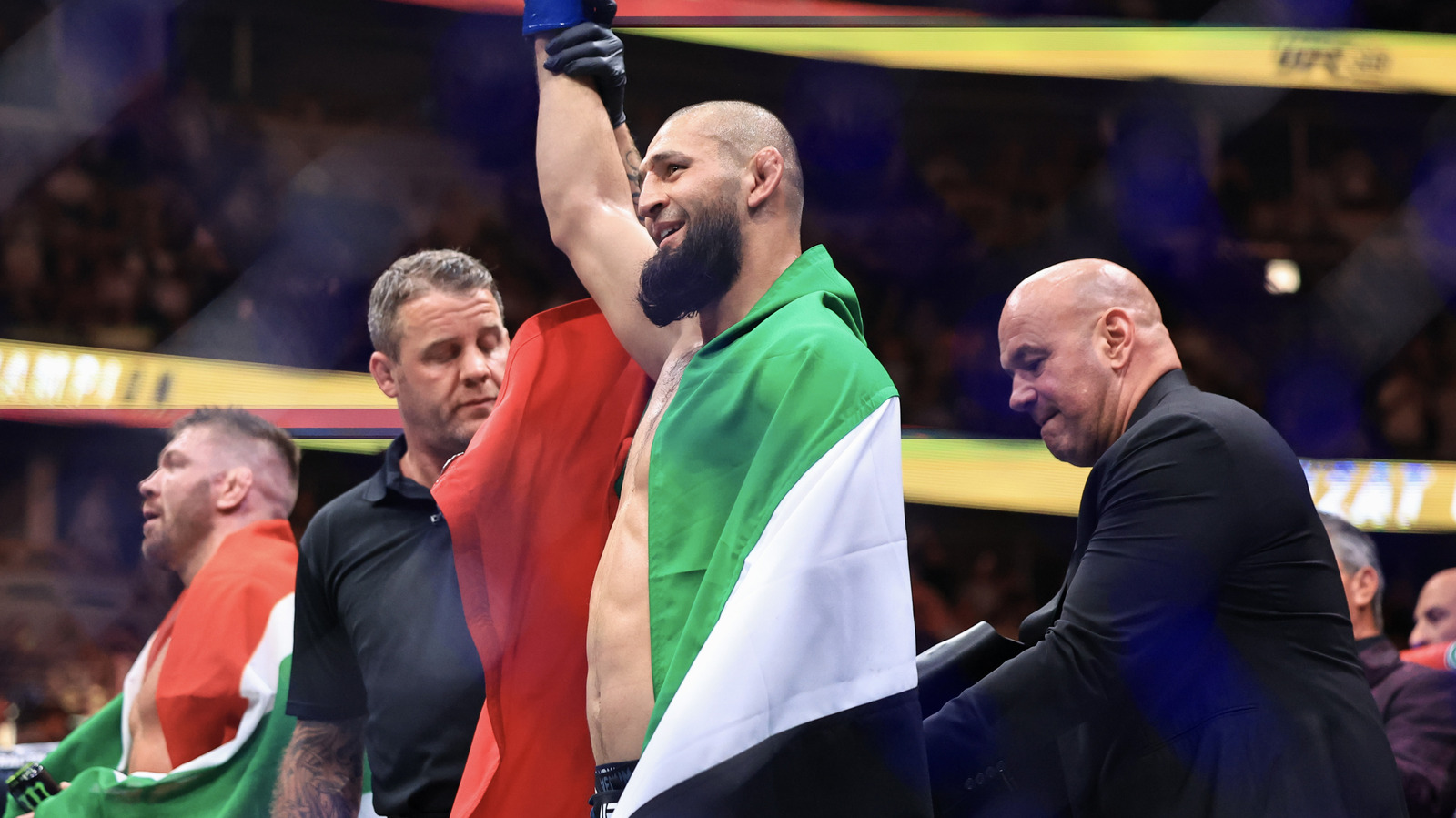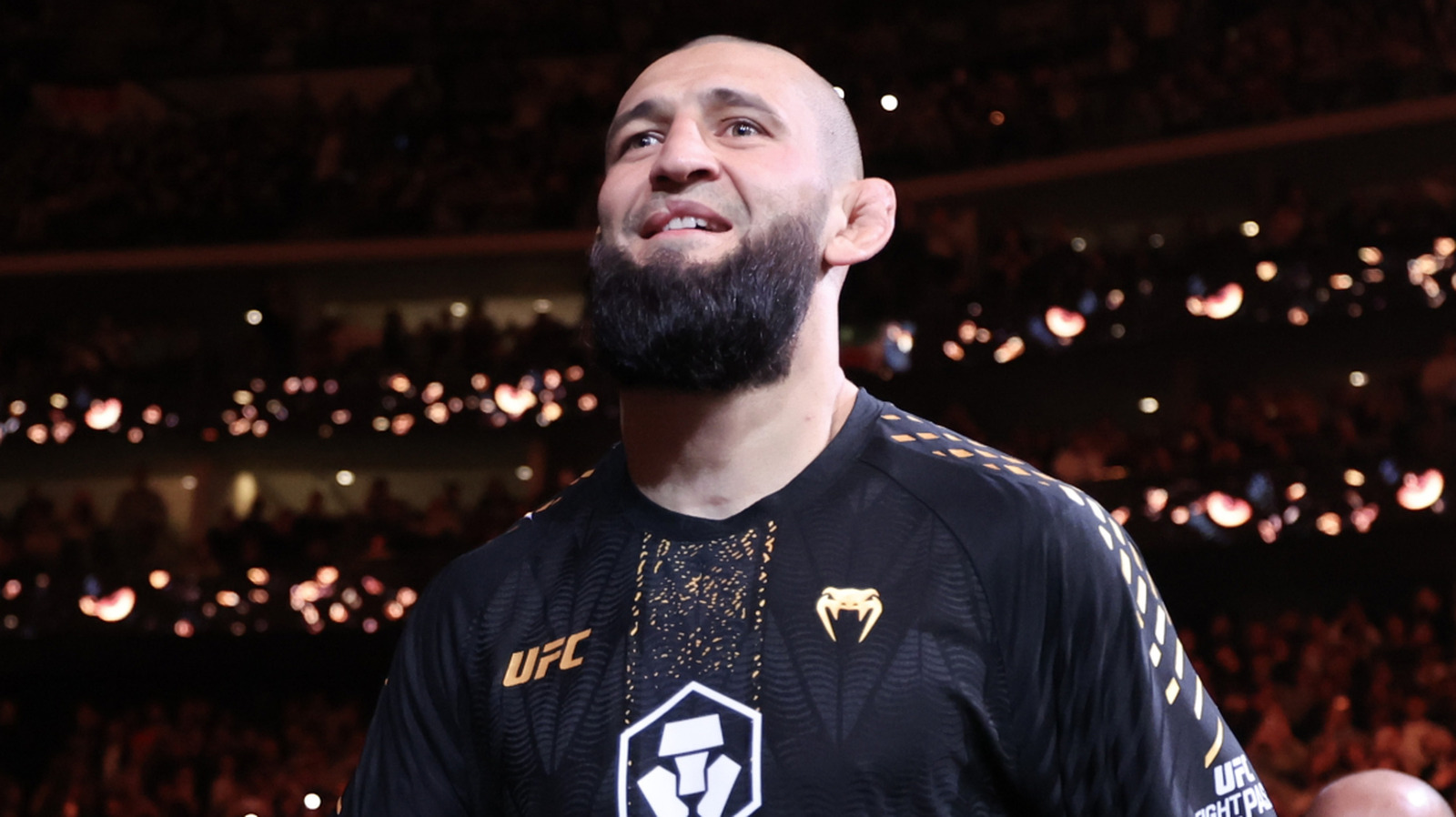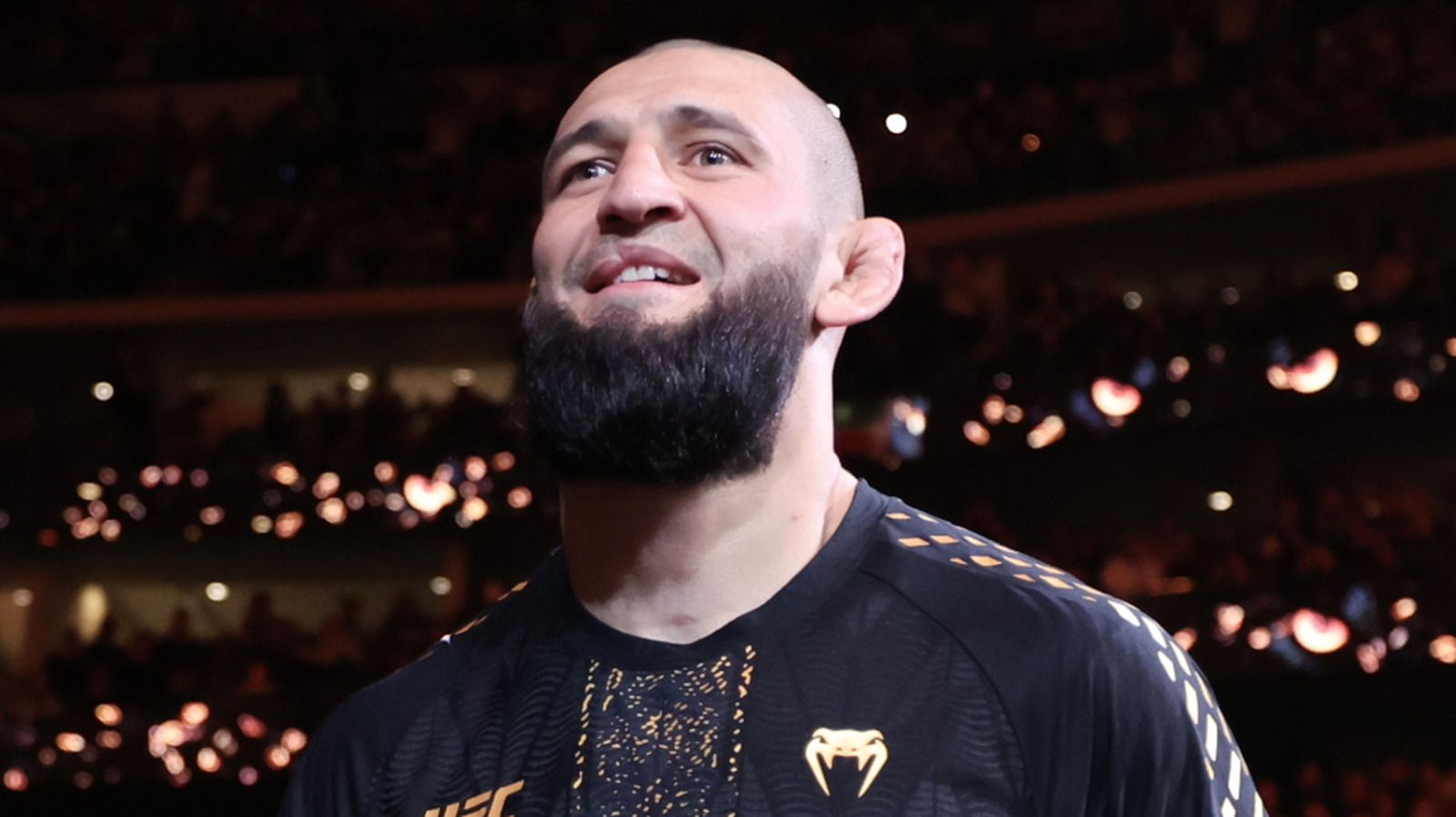
Khamzat Chimaev has always fought two opponents. There is the man standing across from him in the octagon, and then there is his own biology. At UFC 328, the biology finally won.
According to his brother in a recent report from Wrestling Inc, the fighter known as "Borz" experienced a complete physical collapse. The culprit was a grueling, gruesome weight cut that essentially shut his systems down. His brother admitted publicly that Chimaev's body simply failed him.
It is a terrifying admission from a camp that usually projects absolute invincibility. Fighters miss weight constantly in this sport. Fighters get sick during camp. But when a family member steps to the microphone to say a fighter's body failed, it points to a severe medical emergency rather than a mere miscalculation on the official scale.
Usually, fight camps operate under a strict code of silence. Managers and head coaches will spin a catastrophic hospital trip as a minor flu bug or a bad plate of room service food.
The fact that his own blood relative chose to speak so bluntly indicates a level of genuine fear. It suggests the team was watching a man actively shut down in a sauna, pushed past the absolute limits of human physical endurance.
The Physiology of a Gruesome Cut
To understand what happens when a weight cut is described as gruesome, you have to look at the severe biological toll of rapid water shedding. Fighters aren't losing fat during fight week. They are draining interstitial fluid and blood plasma.
The process usually starts weeks out with intense water loading, forcing the body to downregulate anti-diuretic hormones. Fighters will consume upwards of two gallons of distilled water daily. Then, the water intake is abruptly cut off entirely. Sodium is stripped from the daily diet, denying the body the minerals it needs to retain moisture.
The athlete is placed into scalding hot Epsom salt baths, which draw moisture out through the skin via osmosis. They are then wrapped in heavy towels and foil survival blankets, forced to sit in a dry sauna to sweat out the remaining pounds.
When a fighter pushes past the safe limits of dehydration, the kidneys are the first organs to panic. They stop producing urine to conserve whatever minimal moisture is left. Blood thickens dramatically.
The heart has to pump a sludge-like substance through the vascular system. This spikes blood pressure while simultaneously dropping the overall volume of blood returning to the heart chambers. It forces the cardiovascular system to work twice as hard just to keep the athlete conscious.
This is a direct flirtation with acute renal failure. When the kidneys are denied fluids for an extended period, the tissue begins to sustain damage. Furthermore, the human brain sits in a protective bath of cerebrospinal fluid.
Severe dehydration drains that fluid. It leaves the brain resting directly against the inside of the skull. This is precisely why severely depleted fighters are far more susceptible to flash knockouts during the bout.
When his brother notes that his body failed, it likely means Chimaev hit the absolute physiological wall. Severe muscle cramping, total loss of motor function, and the inability to stand unassisted are standard markers of a cut gone totally wrong.
A History of Medical Red Flags
Chimaev's relationship with the scale and his own immune system has been a running theme of his UFC tenure. We all remember the disaster at UFC 279 in September 2022. It was a spectacle that embarrassed the promotion on a global stage.
He tipped the scales at 178.5 pounds for a scheduled welterweight bout against Nate Diaz. That massive miss forced the promotion to tear up the pay-per-view card at the eleventh hour, completely reshuffling the top three fights just twenty-four hours before the event.
Chimaev ended up fighting Kevin Holland instead, running through him in the very first round. But the damage to his reputation as a reliable company man was firmly done.
The permanent move to middleweight was supposed to fix this issue. Fighting at 185 pounds was billed as the permanent cure for his extreme physical depletion.
Yet, even up a full weight class, the extreme methods required to hit the limit remain a persistent problem.
Beyond the scale, his overall health has frequently betrayed him. The severe bout with COVID-19 in late 2020 left him coughing up blood and publicly contemplating early retirement.
Another severe illness forced him out of a highly anticipated main event against Robert Whittaker in Saudi Arabia. Chimaev pushes his body in training camp to a degree that leaves his immune system completely compromised by the time fight week finally arrives.
The Camp's Complicity
This is where heavy criticism has to be directed squarely at Chimaev's team and the broader regulatory environment. A professional fighter should never reach the point of acute organ failure just to step on a piece of metal.
His camp has continually enabled these extreme weight manipulation tactics. If Chimaev cannot safely make the middleweight limit without risking a sudden hospital trip, he has absolutely no business fighting in that specific division.
The stubborn refusal to acknowledge his natural frame is actively jeopardizing a generational athletic talent.
The team's nutritional strategies have clearly not adapted to an aging fighter. The cuts that worked seamlessly when he was younger simply do not work now.
The human metabolic rate slows down over time. The body eventually learns to hold onto water defensively after repeated traumatic cuts. Continuing to employ the exact same severe dehydration protocols is athletic malpractice.
The MMA Industry's Blind Spot
This incident at UFC 328 highlights the dirty secret of modern mixed martial arts. Weight cutting remains the most dangerous thing these athletes do, often carrying far more acute risk than the actual fistfights inside the cage.
Other promotions have attempted to fix this glaring issue. ONE Championship instituted mandatory hydration testing following the tragic death of Yang Jian Bing back in 2015.
Fighters in that promotion are required to pass specific gravity tests. They must prove they are adequately hydrated while successfully making their designated weight class.
The UFC and state athletic commissions have stubbornly refused to adopt any similar safety measures. They continue to rely on the archaic system of a Thursday night sweatbox session and a Friday morning scale.
The athletic commissions are essentially sanctioning medically supervised near-death experiences. Until hydration testing becomes mandatory in North America, we will continue to see elite athletes like Chimaev stretched to the brink of catastrophe.
What Happens Next for Borz?
From a matchmaking perspective, Chimaev has officially become a massive liability. UFC executives simply cannot trust him in a marquee main event slot anymore.
A five-round title fight requires months of marketing and millions of dollars in promotional investment. A late cancellation ruins a pay-per-view broadcast and alienates paying ticket buyers.
Dana White has historically punished fighters who repeatedly fumble their weight management responsibilities. The most likely scenario moving forward is that Chimaev is firmly mandated to move up to the light heavyweight division.
Fighting at 205 pounds would eliminate the severe water drain. However, moving up presents its own set of strategic problems inside the octagon.
Chimaev would be permanently sacrificing the overwhelming size and strength advantage he heavily relies on for his aggressive, wrestling-heavy style. Taking down elite men who walk around at 230 pounds is a very different proposition than ragdolling depleted welterweights.
Alternatively, the promotion might just demote him to three-round co-main events indefinitely. The financial risk of him falling out of a headlining spot is simply too high right now.
When your own brother goes on the public record saying your body has quit, the promoters hear that message loud and clear.
The End of the Invincible Aura
When Chimaev first burst onto the international scene on Fight Island, he fought twice in ten days. He absorbed virtually zero significant strikes across multiple bouts.
He looked exactly like a terminator built in a lab to destroy the entire global roster. That terrifying aura is entirely gone now.
The current reality is far more fragile. We are watching an elite athlete whose internal engine runs entirely too hot, surrounded by a team that apparently doesn't know how to install a necessary governor.
The chilling admission from his family following UFC 328 should be a massive wake-up call for everyone involved in his career. The sport has already seen far too many fighters leave their prime years inside the sauna.
If Chimaev doesn't radically alter his approach to his walking weight and fight-week preparation, his ultimate legacy will be defined by what-ifs and hospital beds rather than championship belts.