The WrestleMania Window Closes In
Jordynne Grace is officially back in the ring. The powerhouse performer made her physical return ahead of the April 10 taping of WWE SmackDown.
She did not wait long to test her rehabilitated ankle under live conditions. Engaging in an untelevised segment prior to the broadcast, Grace signaled her medical clearance to the front office.
As Ringside News confirmed, Grace wasted no time reminding everyone of her physical capabilities. She moved through her spots with clear intent.
This return arrives at the most frantic, high-stress juncture of the professional wrestling calendar. WrestleMania 41 kicks off in Las Vegas in exactly seven days. The timing is entirely deliberate.
Athletes routinely push their bodies to the breaking point to secure a spot on the grandest stage. Missing WrestleMania means forfeiting massive merchandise bonuses and significant historical permanence.
The Biomechanics of a Rushed Return
Ankle injuries are notoriously deceptive for in-ring competitors. The canvas provides a slight degree of shock absorption, but the tightly wound ring cables and wooden boards remain entirely unforgiving.
The true danger to a recovering ankle isn't a standard flat back bump. The real threat lies in the explosive, sudden directional changes required to navigate the squared circle.
Sprint sequences expose the joint to massive stress. Planting a lead foot and pivoting body weight against the stiff ring ropes places immense rotational torque on the lateral collateral ligaments.
To understand the severity, you have to look at the specific ligaments involved. The anterior talofibular ligament is usually the first to tear during a severe lateral roll.
Once that tissue is stretched beyond its elastic limit, the ankle essentially becomes a loose hinge. Without adequate recovery time, scar tissue forms erratically.
This chaotic healing process severely limits dorsiflexion, which is the exact upward foot movement required to absorb a heavy landing safely. When a 200-pound opponent crashes down onto Grace, her inability to flex that joint will send shockwaves straight into her lower spine.
For a performer like Grace, this injury carries extreme mechanical implications. Her entire offensive repertoire relies on a heavily stabilized, deeply planted lower body.
Generating the upward mechanical advantage required for her stalling suplexes and deadlift powerbombs demands absolute structural integrity from the ankle up through the hips.
If an ankle gives out during a heavy lift, both performers risk an immediate, catastrophic spinal injury. A compromised joint fundamentally strips a power wrestler of their greatest physical asset.
We saw this exact scenario play out years ago when Seth Rollins returned from his devastating knee and ankle reconstruction. His power base was visibly compromised for months, forcing him to alter his entire approach to lifting opponents.
The Medical Gamble of April
We have to look critically at the decision to clear a performer this close to a major event. Rushing talent back to television has a mixed and often highly dangerous track record.
While modern wrestling companies enforce strict concussion protocols, soft tissue injuries remain a deeply flawed gray area. Talent determination routinely overrides conservative medical advice behind closed doors.
Grace appears to be pushing herself to meet a severe booking deadline rather than a natural biological one. That is a massive, unnecessary risk orchestrated by a company desperate for star power.
Being medically cleared simply means a performer can work without an unacceptable risk of immediate structural failure. It absolutely does not mean they are pain-free or moving at total capacity.
To stabilize the damaged joint, Grace will heavily rely on aggressive spatting. The medical staff will wrap dense layers of athletic tape over the exterior of her wrestling boot, creating a rigid, temporary cast.
This taping method protects the ankle, but it introduces a severe secondary flaw. By locking the ankle in place, the natural kinetic chain is totally disrupted.
The force normally absorbed by the ankle's flex is instead transferred directly upward into the knee. Grace is essentially trading essential ankle mobility for temporary joint security, risking severe meniscal tears just to make the Las Vegas card.
Psychology of the Roster Shuffle
The psychological toll of an injury absence is often much harder to manage than the physical rehabilitation. The modern wrestling industry moves at a blistering, highly unforgiving speed.
Absences can quickly leave a performer feeling replaced or completely forgotten by the creative team. Out of sight frequently means out of mind in professional wrestling.
The financial pressure is equally suffocating. WWE talent operate on downside guarantees, but the real money is made on the road.
Missing live events directly correlates to missing out on significant merchandise cuts and main event paydays. A prolonged absence can financially devastate a mid-card performer.
The current corporate structure heavily incentivizes wrestling through agonizing pain. The front office respects talent who tape up and endure the grind, often subtly punishing those who take the necessary months to properly heal their bodies.
Former NXT Champion Ricky Saints recently dealt with his own prolonged time away from the ring. Saints openly reflected on his long AEW hiatus and his eventual departure from the promotion.
Despite the extended time off television, his perspective remained surprisingly grounded and positive regarding his former employers.
"I'm thankful," Saints stated when discussing his absence and departure, highlighting the complex relationship between talent and management.
While Saints' situation was primarily contractually motivated, as detailed by Wrestling Inc, the underlying anxiety of losing your spot on the card remains a universal industry fear.
Medical absences carry that same heavy psychological weight, often pushing wrestlers to lie about their pain levels to get back on television sooner.
Ring Rust and Physical Reliability
When a performer finally returns, they must instantly recalibrate to the terrifying velocity of live television. Ring rust is a genuine biological delay in cognitive reaction time.
Timing is always the absolute first attribute to degrade during a medical layoff. In a heavily choreographed environment, being a half-second late on a catch can result in a broken orbital bone or a severe concussion.
The margin for error is effectively zero. Performers must have absolute, unspoken trust in their opponent's physical stability to execute high-risk maneuvers safely.
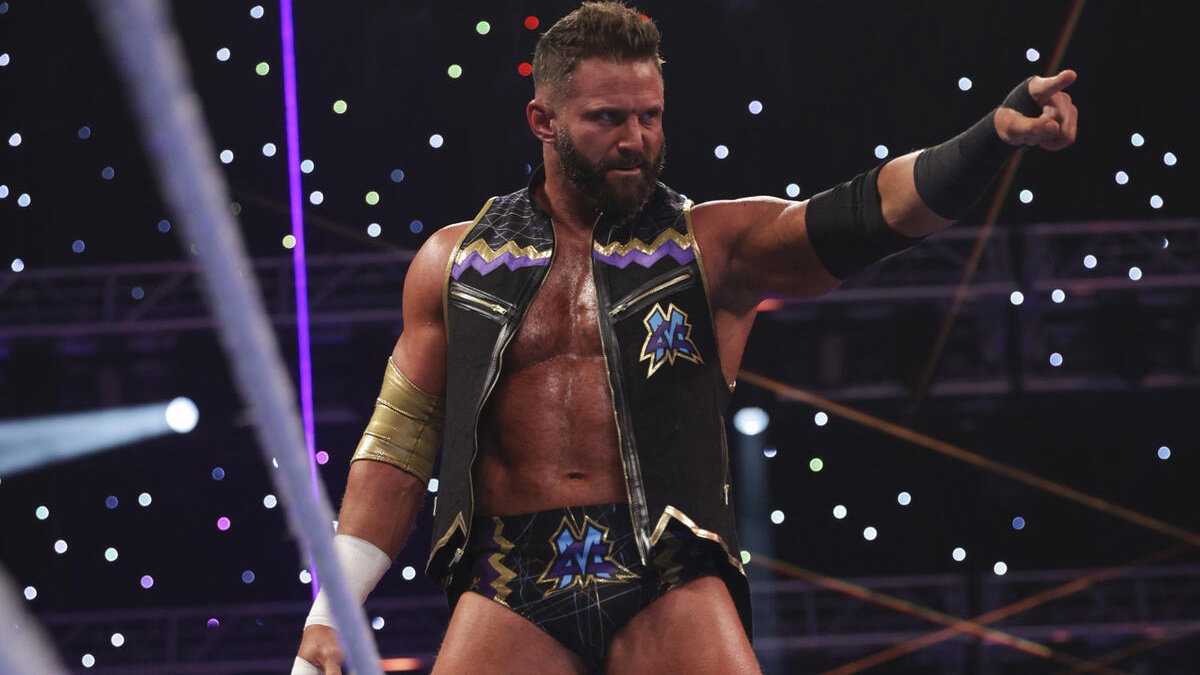
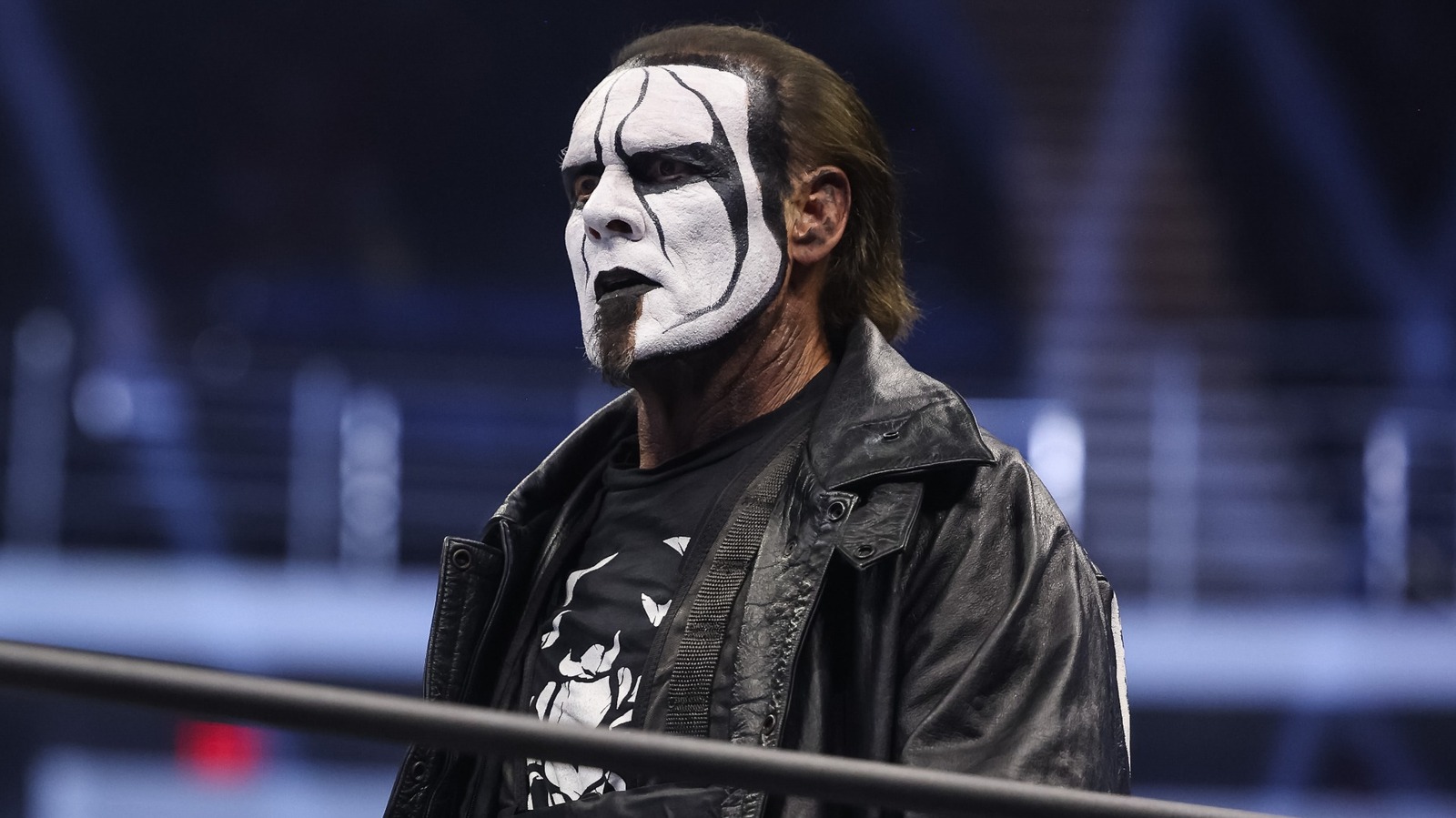
Consider the intense precision required for even heavily edited, pre-taped matches. Brian Cage recently recalled his cinematic AEW tag team match alongside Ricky Starks against WWE Hall of Famer Sting and Darby Allin.
Even in a controlled cinematic environment with multiple camera takes available, physical reliability is strictly mandatory, as Cage noted in his recent reflection.
Another former champion, Scorpio Sky, also looked back on his bout with Sting. He heavily emphasized the intense physical demands placed on younger talent actively working to protect aging veterans.
Grace now finds herself on the opposite side of that dynamic. She is the compromised athlete who needs her opponents to adjust their timing to accommodate her stiffened ankle.
Strategic Impact on WrestleMania 41
Grace's sudden availability drastically alters the booking calculus for the women's division. The current card for WrestleMania 41 is heavily congested with massive main events.
With Cody Rhodes defending the WWE Championship on Night 2 and the Bloodline consuming significant premium segments, available television minutes are exceptionally scarce.
Inserting Grace back into the mix at the eleventh hour strongly suggests a specific creative need from the writing team. They clearly want her imposing visual presence on the broadcast.
She provides a believable, heavy-hitting physical threat that smaller, faster workers on the roster simply cannot replicate. However, WWE creative must handle her deployment with extreme caution and restraint.
- Avoid placing her in grueling singles clinics that brutally expose her weakened cardiovascular conditioning.
- Strictly limit her involvement in extended submission sequences that maliciously target the lower body.
- Utilize her specifically for explosive, short-burst power spots in chaotic multi-woman scrambles.
Putting her in a prolonged grappling exchange right now borders on medical malpractice. The agents need to let her hit her major strikes, execute a single signature lift, and quickly tag out.
Exposing her compromised ankle to a prolonged single-leg crab or an ankle lock would be a blatant, inexcusable failure of match psychology.
Looking ahead, the post-WrestleMania season is notoriously grueling. The European tours kick off shortly after the Las Vegas shows, subjecting the roster to brutal travel schedules.
Sitting on a transatlantic flight for ten hours causes massive blood pooling in the lower extremities. For a recently rehabilitated ankle, that level of cabin pressure and immobility guarantees severe swelling before she even steps foot in an international arena.
Grace is aggressively proving her extreme durability by fighting back to the active roster just in time for the industry's largest financial weekend. She clocked in right before the April 10 deadline to definitively prove her fitness to the executives.
But the severe physical toll of this decision will not magically end when the stadium lights go down at Allegiant Stadium in Las Vegas. The adrenaline will eventually wear off, leaving massive inflammation.
This damaged ankle will require constant, exhausting maintenance throughout the brutal summer touring schedule. The injury will strictly dictate her training camp, her miserable travel habits, and her heavy in-ring limitations for the entirety of 2026.
Read Next
- Austin Theory is wasting his momentum on a stagnant storyline
- WWE's Andre the Giant battle royal has become a Friday night afterthought
- Trish Stratus just closed the door on a wrestling world tour
- Pat McAfee's SmackDown blackout proves he is completely untouchable
- 🏆 WrestleMania 41 — Full Coverage Hub