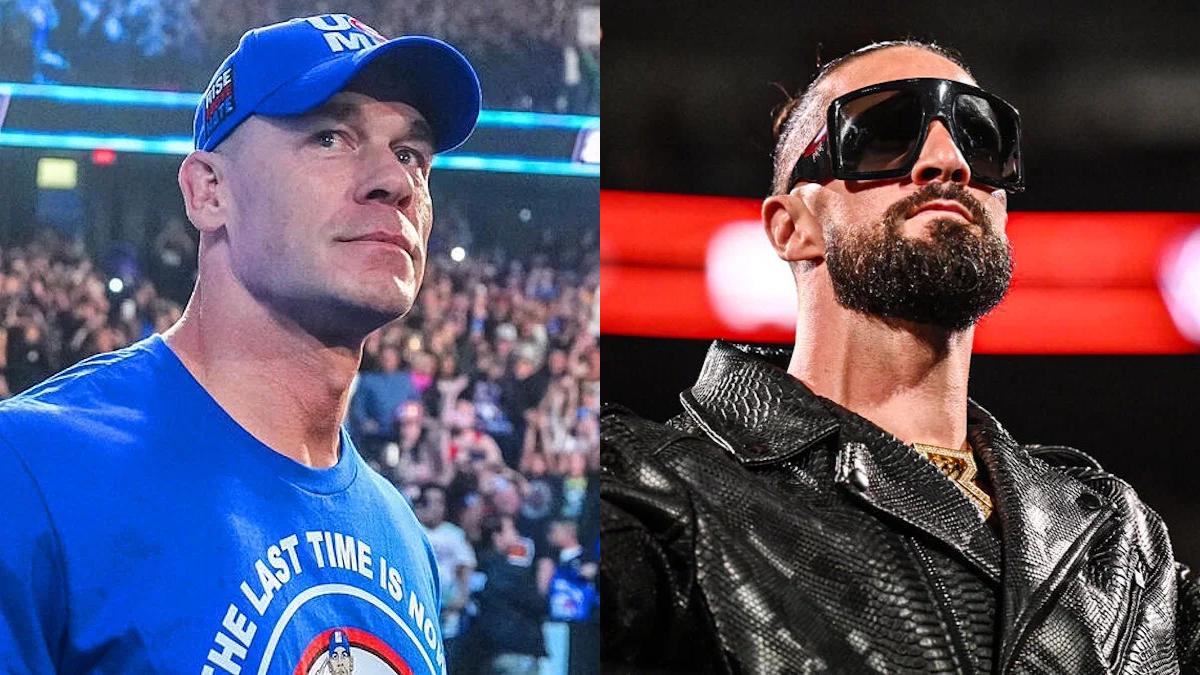
Cena shifts focus to coaching after in-ring exit
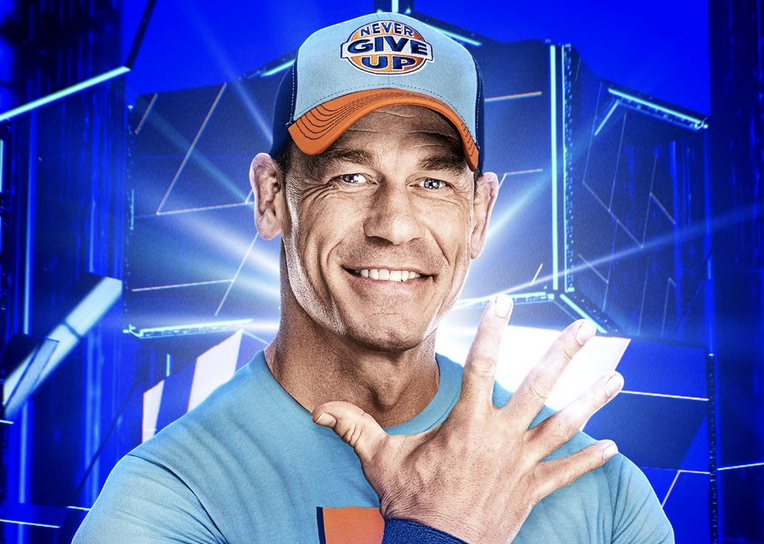
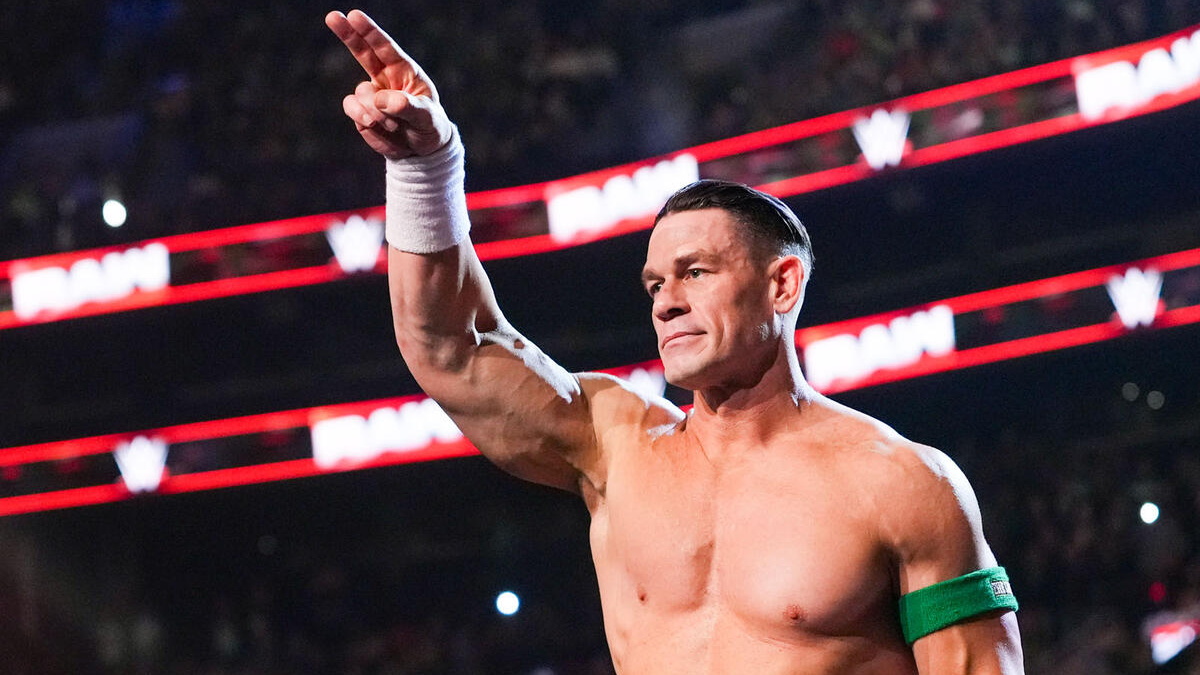
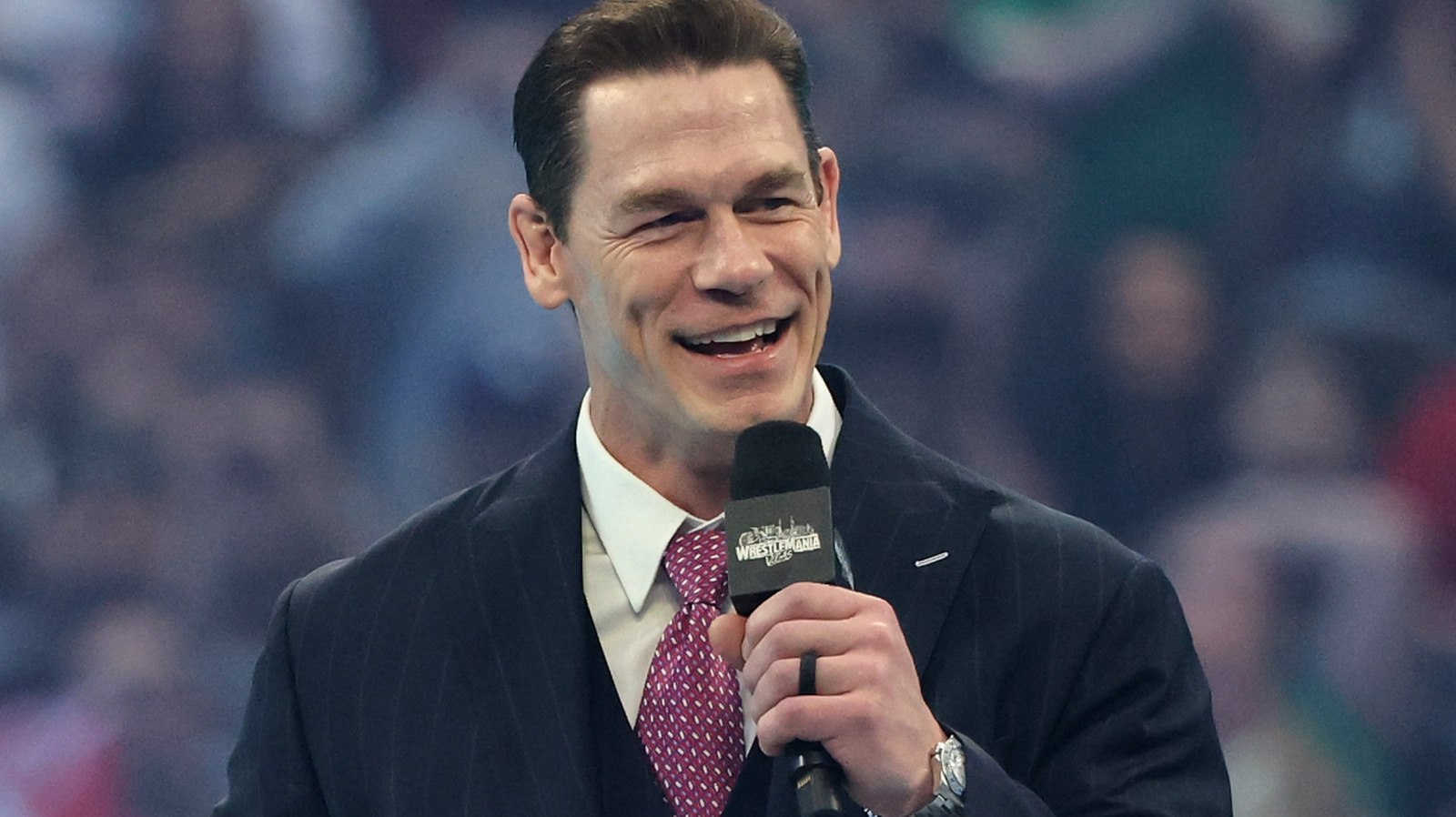
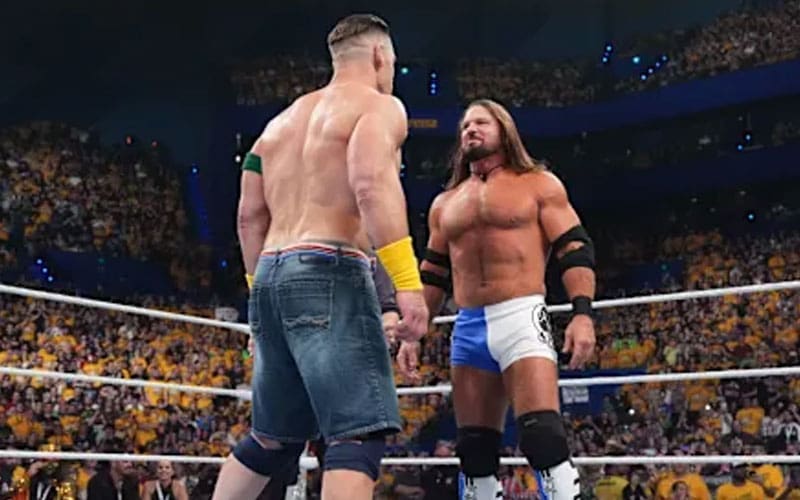
John Cena is not wasting time in his post-wrestling life. Sources confirmed this week that Cena spent five hours leading an intensive seminar at Seth Rollins’ Black and Brave Wrestling Academy. The session marks one of his first public appearances since his formal retirement at the most recent Saturday Night’s Main Event.
The move provides a window into how the 16-time world champion intends to stay connected to the industry. By embedding himself in an active talent pipeline, Cena is clearly signaling that his knowledge transfer is a priority. For the students at the Black and Brave facility, this level of access is unprecedented.
The physical toll remains a hidden factor
While the seminar focus was technical, concerns remain regarding Cena’s physical recovery. His final run back into the ring put his body through significant stress. Having spent five hours on his feet in a coaching capacity, the veteran demonstrated that his movement is not restricted, but he remains far from contest-ready status.
Medical analysts point to the history of wear and tear on his neck and shoulders. Similar to career-end exits for other legends, the transition from full-time athlete to stationary trainer is designed to mitigate further catastrophic damage. Forcing a return would be a medical liability the company is unwilling to entertain.
Strategic implications for the performance center
Rollins and Cena pairing up for training indicates a deeper alignment on standardizing ring psychology. Many veterans have criticized the current generation’s lack of focus on pacing and hold transitions. Setting a template at a prestigious school like Black and Brave ensures that the next tier of talent arrives on the main roster with a refined fundamental base.
However, critics argue that relying on part-time retired stars to train recruits is a band-aid solution. If the developmental internal training staff were operating at optimal levels, the need for five-hour visiting seminars would diminish. The reliance on external celebrity trainers highlights a potential gap in the current internal developmental coaching structure.
Looking back at institutional transitions
Professional wrestling has a spotty history with retired icons training the next generation. Shawn Michaels famously succeeded in carving out a productive role in developmental, but others have struggled to translate their in-ring genius into a curriculum. Cena’s pedagogical approach is currently being evaluated by those close to him to determine if this becomes a recurring consulting role.
As of May 27, 2026, there is no official pact between the promotion and Cena regarding a full-time coaching contract. This seminar was a singular event. Bringing a name of his caliber into a private school setup suggests he values the autonomy of working with Rollins over being tied to a corporate headquarters.
With no matches on the horizon and retirement firmly in the rearview, the risk of injury during these training sessions is minimal. He is controlling the pace and the intensity. This is a controlled environment designed to preserve his legacy while sharing his technical toolkit without the threat of a stiff lariat or a high-angle powerbomb to his spine.
The wrestling industry will watch closely to see if other retired names follow the Black and Brave model. Should Cena continue this trajectory, we may see a decentralization of training away from the main company hubs. That is a shift that would impact how talent is scouted and groomed for the main stage over the next two fiscal years.
Read Next
- On This Day in Wrestling: May 27
- WWE AAA needs to stop treating Noche de Los Grandes like an afterthought
- Tiffany Stratton's shift away from her original finisher was a calculated move
- WWE’s credentialing strategy faces backlash after Coachman criticism
- 🏆 WrestleMania 41 — Full Coverage Hub
- 👴 John Cena Retirement Tour 2026