The friction between WWE and independent media
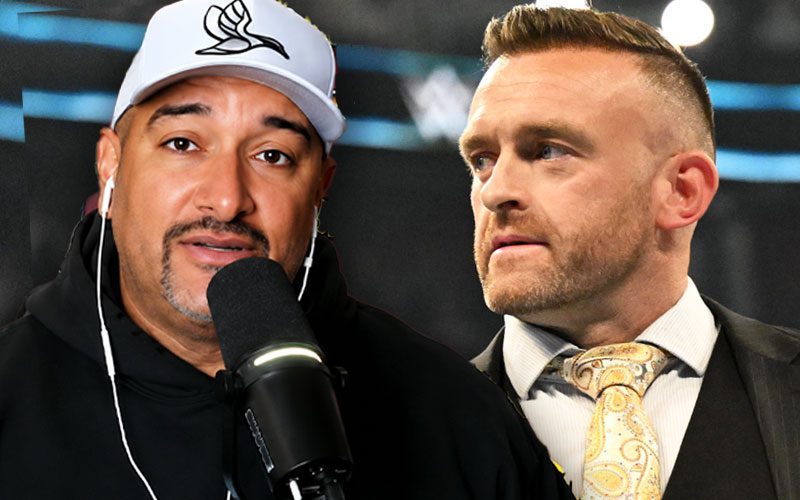
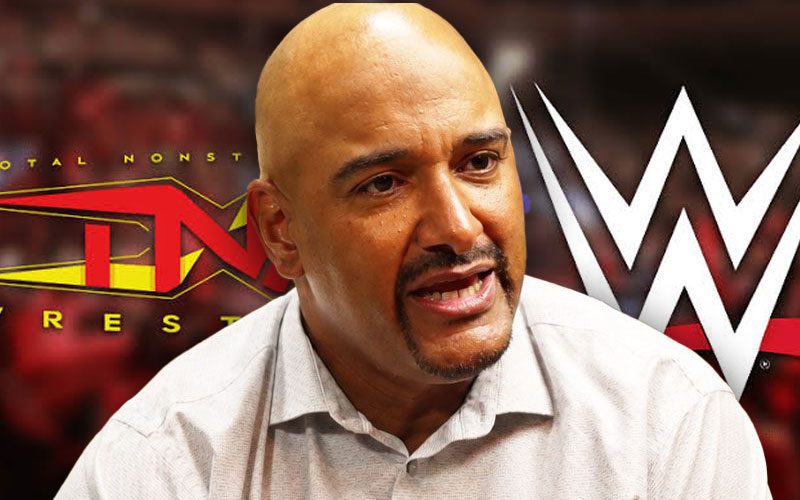
Jonathan Coachman publicly criticized WWE this week for denying credentials to ESPN reporter Andreas Hale. The former WWE personality labeled the decision petty, highlighting a growing tension between the promotion and mainstream sports outlets covering the industry. Coachman’s comments arrived via social media, centering on the exclusion of a reporter who has historically maintained a neutral, professional standard for combat sports coverage.
This is not the first time WWE has faced scrutiny over its media access policies. The organization historically maintains tight control over event coverage, preferring the flow of information through official channels and select partners. By blocking a reporter from a major outlet like ESPN, WWE risks alienating the very platforms that provide the company with mainstream legitimacy and broader audience reach.
The strategic cost of limited media access
Restricting media personnel at signature events serves a specific internal purpose: information control. When official PR narratives are the only ones allowed inside, the promotion maintains a pristine image of the, for example, 14-minute main event sequences or complex character arcs. However, such exclusionary tactics often result in negative headlines that overshadow the in-ring output.
Coachman, who spent over a decade within the WWE machine, understands how the communication department functions from the inside out. His decision to speak out indicates a lack of alignment between the current executive strategy and former stakeholders. When a former insider attacks the company, it changes the conversation from product quality to management optics.
Historical context and the shift in coverage
Historically, wrestling journalism lived in the fringes. Over the last decade, outlets like ESPN and The Athletic moved into the vacuum, bringing sports-style analytical rigour to what was previously managed purely as entertainment. This shift compelled WWE to engage with real media, a process that has been anything but smooth.
We have seen similar clashes during the transition periods of past ownership groups. When the promotion faces external critique, the reflexive move is often to isolate the news cycle. Yet, in 2026, the strategy of blocking journalists feels dated. It fails to account for the speed at which information spreads on modern platforms. The reported exclusion creates a decentralized news story that arguably does more damage than the coverage Hale would have produced.
Analyzing the booking and management flaws
The core issue here is not just credentialing, but an inability to handle independent scrutiny. If talent is protected by a wall of authorized journalists, the audience eventually stops trusting the coverage. This manifests as a critical flaw: a lack of transparent, real-world context for injuries, contract disputes, or behind-the-scenes heat.
When a company refuses to seat established reporters, it creates a market for speculation. Fans eventually turn to unverified sources because authorized ones are restricted from attending or have been cut off from direct access. Management is effectively trading the professional development of their industry for the temporary power of controlling a room.
The optics of this decision are poor. For a company attempting to push toward greater global visibility, shutting down interaction with sports journalists signals a lack of confidence. It suggests the product cannot withstand the questions of a reporter who is not on the company payroll. If the goal is long-term growth, the current policy of media insulation is a massive missed opportunity for authentic brand building.
The industry remains in a period of high-stakes transition. Every media interaction serves as a micro-test of how the promotion views its place in the broader sports world. Blocking a reporter from a network of ESPN's profile is a high-cost maneuver that yields little tangible benefit. It is a reactionary choice that limits exposure and reinforces the narrative that the promotion operates outside the standard sports reporting rules.
Read Next