The 8-match pacing paradox in modern independent wrestling
Wrestling REVOLVER's July 24 show in Nashville featured 8 matches packed into a tight 135-minute runtime. That leaves an average of roughly 16.8 minutes per match when accounting for entrances and promos. In modern indie wrestling, high match density often sacrifices storytelling depth for frantic spot output.
Across the 8 bouts at The Troubadour, 5 ended in decisive pinfalls, 1 via submission, and 2 featured multi-competitor scramble structures. Analyzing the match flow reveals a promotion deliberately balancing star-power showcases with chaotic undercard fill.
Star power efficiency: Moxley and Sawyer's workrate
Jon Moxley's unannounced open challenge against Joe Alonzo lasted just 8 minutes and 42 seconds. Moxley controlled roughly 70% of the offensive output, targeting Alonzo's neck before securing the victory with a Paradigm Shift. It was a brief, explosive burst designed to maximize crowd reaction while keeping veteran bump-taking to a minimum.
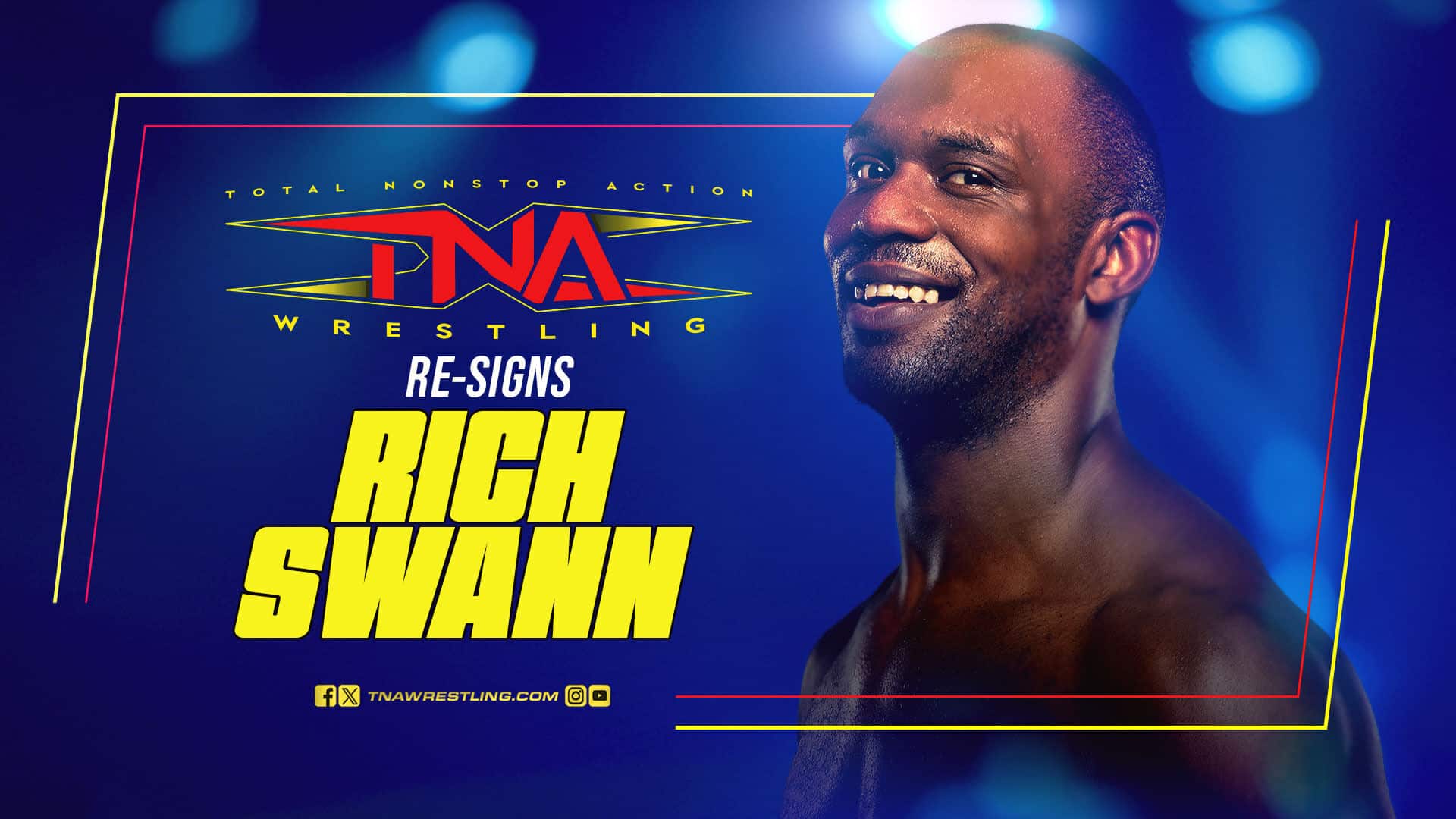
In contrast, Joseph Sawyer's singles victory over Rich Swann stretched to 14 minutes and 15 seconds. Sawyer focused 65% of his attack on Swann's lower back, slowing down the former World Champion's aerial arsenal. Swann managed only 4 successful high-flying attempts out of 9 attempts before succumbing to Sawyer's brutal finisher.
Undercard congestion and scramble dynamics
The 8-man Open Invite Scramble won by Juni Underwood was the night's most chaotic segment, averaging a spot or transition every 11 seconds over its 9-minute duration. With 8 wrestlers competing in a single ring, individual offensive windows averaged under 45 seconds per participant.
While Underwood capitalized on a multi-man tower of doom setup to secure the pin, the match suffered from classic scramble clutter. Over 60% of the legal interactions occurred outside the ring, diluting the central action for the live audience.
Tag team metrics: Title defense vs. non-title clashes
The REVOLVER World Tag Team Championship Four-Way saw Tye Or Die (Ryan Matthias & KJ Reynolds) retain against 3 challenger teams in 16 minutes and 50 seconds. The champions executed 12 double-team maneuvers, completing 83% of their planned combination moves.
By comparison, the non-title clash where KILLERGOAT (Myron Reed & Killer Kelly) defeated Mance Warner & Steph De Lander went 11 minutes and 20 seconds. The match turned when Reed converted a springboard dive into a cutter, ending a brawl that spent nearly 40% of its duration beyond the ringside barricades.
The main structural drawback of the card was the placement of the tag title match directly after the 8-man scramble. Facing back-to-back multi-person matches created audience fatigue, causing the early minutes of the tag championship bout to draw subdued crowd reactions.