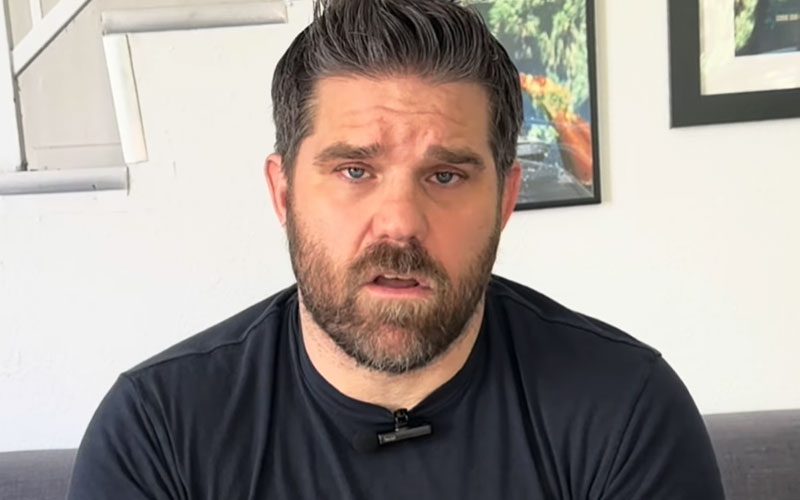
Testing the waters of a burned bridge
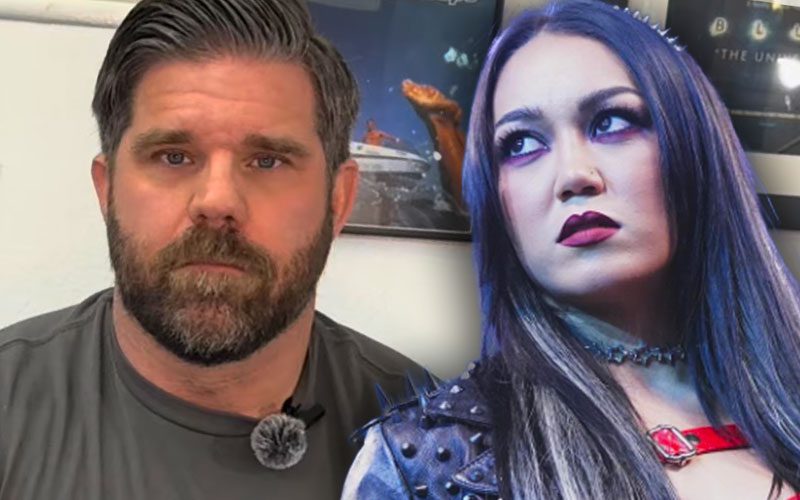
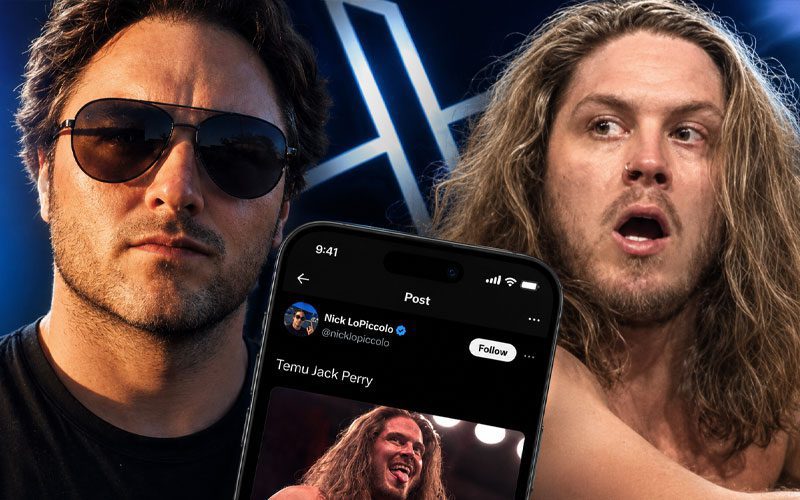
Disgraced workers always follow the exact same playbook when they want to return. They start by lurking in the replies of minor internet threads. They wait for a microscopic opening to justify their existence. Joey Ryan is currently running this tired drill, and it is fascinating to watch the desperation unfold in real-time.
A recent interaction caught the attention of Ringside News, highlighting his refusal to stay quiet. After a fan told him to stay out of the business, Ryan actively fired back to defend his past contributions. This is not a random outburst born of frustration. This is a highly calculated temperature check.
He wants to see if the outrage has shifted to apathy. Apathy is the crack in the door that exiled talent use to sneak back into locker rooms. If people are merely exhausted by him rather than actively furious, he thinks a 2026 indie return is viable.
It is a massive miscalculation. He is severely underestimating how fundamentally independent wrestling has shifted to protect its own revenue streams over the last few years.
Deconstructing his alleged contributions
Let us strip away the horrific allegations for a brief moment and look purely at the on-screen product. Ryan wants to talk about his legacy. He wants us to remember the viral moments and act as if he revolutionized the sport.
Yes, the 2015 spot in DDT went viral. Yes, the penis druids at All In generated massive internet traffic. He built a small empire on a singular, highly specific brand of meta-ironic shock comedy.
But what did those contributions actually do for the long-term health of the business? They normalized a style of wrestling that prioritized cheap social media engagement over sustainable storytelling. He fostered an environment where bizarre gimmickry masked a complete lack of fundamental ring psychology.
That style aged terribly. Professional wrestling moved away from extreme fourth-wall breaks years ago. The modern indie scene prioritizes physical intensity, brutal striking, and hyper-athletic mat work. The audience demands realism, not vaudeville.
Without the shock value, what exactly is he bringing to a card? He is a 46-year-old worker who was mechanically slow even during his peak. His entire routine required the audience to be completely in on the joke. Nobody is laughing anymore.
The brutal economics of risk
Indie wrestling operates on paper-thin margins. A promoter booking a local VFW hall relies heavily on goodwill, regular ticket buyers, and reliable streaming platforms. You cannot afford to alienate your base.
Streaming services like TrillerTV and IWTV are completely intolerant of public relations disasters. If a rogue promoter decides to book Ryan, the event simply gets pulled from the platform. The platform does not care about your local ticket sales. They care about their subscriber base canceling out of protest.
The math simply does not work. You risk alienating your entire locker room and losing your distribution deal just to sell maybe 25 extra tickets to morbidly curious onlookers. No sane business owner takes that bet.
We saw this exact scenario play out with other blacklisted talent over the past few years. They announce a booking for an outlaw mudshow. The internet finds out immediately. The venue gets bombarded with angry phone calls. The show gets canceled. It is a predictable cycle of failure.
The industry is thriving without him
Look at the broader wrestling picture in May 2026. The business is experiencing an incredible boom period. WWE Backlash is happening in six days, drawing massive international attention. AEW Double or Nothing is right around the corner.
That mainstream success trickles down. Independent promotions are drawing strong houses because the overall appetite for wrestling is high. They do not need to rely on desperate stunt casting to draw a house.
Ryan used to wield significant power through his Bar Wrestling promotion. When his career collapsed, some worried the Southern California scene would struggle to fill the void. That worry was entirely misplaced.
The scene repaired itself almost overnight. Promotions like GCW expanded their West Coast footprint. New companies emerged, focusing heavily on younger talent who had zero connection to the old guard's toxic habits.
Wrestling is a ruthlessly efficient machine. It replaces talent instantly. Ryan believes he left a gaping hole in the industry. The harsh truth is he left a minor pothole, and the industry paved over it six years ago.
A demographic shift he cannot overcome
There is another critical factor working against his potential return. The audience that originally supported him no longer exists in the same capacity. The independent wrestling fanbase experiences heavy turnover.
The fans who packed American Legion halls to laugh at his gimmick back in 2015 are now in their late thirties or early forties. They have mortgages. They have children. They are not spending their Thursday nights crammed into a sweltering warehouse to watch comedy matches.
The current lifeblood of indie wrestling—the 18-to-24 demographic—does not hold any nostalgia for him. If they know his name at all, they only know him through the lens of the Speaking Out movement. To them, he is not a misunderstood pioneer of viral wrestling. He is just another disgraced figure from an older generation.
You cannot build a comeback tour when your target audience has aged out and the current audience views you with utter contempt. The math completely falls apart.
The psychology of the wrestling addict
Why does he keep trying? Why not just walk away, get a quiet job, and disappear? Because professional wrestling is an addiction. The roar of the crowd is a drug, and he is going through severe withdrawals.
He spent two decades getting his ego stroked by adoring crowds in Reseda. You do not just walk away from that level of validation without a fight. His identity is entirely wrapped up in being a professional wrestler.
This social media arguing is a coping mechanism. By defending his contributions, he is trying to convince himself that his career meant something. He needs the fans to validate his past because his future in the ring is nonexistent.
There are hundreds of hungry, athletic kids willing to drive twelve hours for fifty bucks. A promoter is going to book them over a radioactive nostalgia act every single time. The new generation does not want him anywhere near their locker rooms.
The prediction: A self-funded disaster
He is not going to stop trying. His ego will not allow him to fade quietly into civilian life. He will continue arguing in Twitter replies, trying to bait fans into acknowledging his past.
Eventually, he will realize no established promotion will touch him. TNA, AEW, and WWE are obviously out of the question. Even the sleaziest independent promoters know he is a liability who brings negative attention to their building.
Here is my firm prediction. Before the end of 2026, Ryan will attempt to run his own self-funded event. He will rent a cheap warehouse space in the greater Los Angeles area, operating under a shell company to hide his involvement from the landlord.
He will staff it with untrained rookies and fellow blacklisted outcasts who have nowhere else to work. He will bill it as his grand return, heavily hyping it on his personal social channels. The backlash will be immediate.
The show will likely still happen, but it will be a ghost town. My official call: the event will draw fewer than 75 paid fans. It will be a spectacular financial bloodbath.
He will lose thousands of dollars of his own money trying to force a comeback. That financial devastation is what will finally end this charade. Moral outrage rarely stops bad actors, but bankruptcy always does. By 2027, he will be forced to officially retire.