The Physical Toll of Independent Wrestling
The In-Ring Trauma: Brooklyn to Los Angeles
Professional wrestling has always traded in physical sacrifice, but independent star Joey Janela is currently paying that bill in public. During his physical match against Hollyhood Haley J at GCW Amerika's Most Wanted in Los Angeles, California, Janela was bloodied from the nose, powerbombed on the apron, and pinned. The aftermath of that defeat has quickly drifted from the ring to social media.
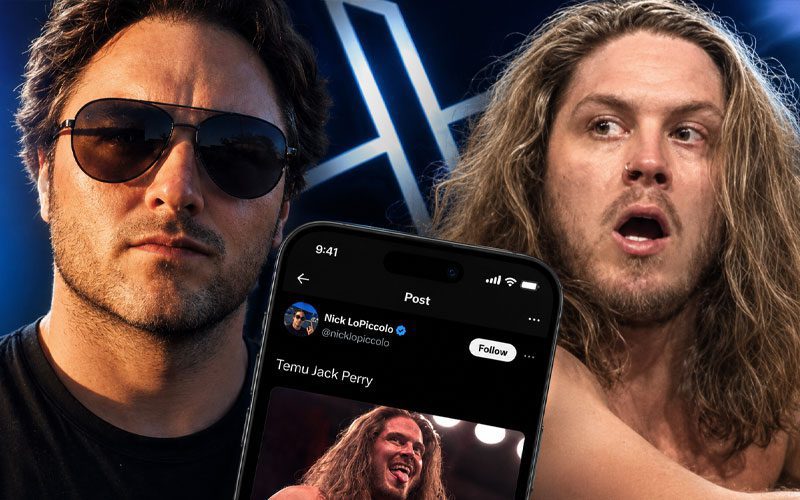
A toxic Twitter exchange erupted after Janela responded to reports covering former talent agent Nick LoPiccolo warning AEW to tap out on the eve of their feud's anniversary. Janela attempted to mock the warning, but LoPiccolo countered by launching personal attacks against Janela's physical appearance. This online roast immediately centered on Janela's teeth, height, and career status.
As reported by Ringside News, the exchange quickly turned personal as both men traded insults. When Janela claimed that LoPiccolo no longer represented any clients, LoPiccolo responded by attacking Janela's dental damage. The missing-teeth jokes quickly became a running gag that Janela struggled to answer.
The Dental Cost of the Independent Circuit
The physical reality of dental and facial trauma is a constant hazard for wrestlers on the independent circuit. Unlike major corporate promotions that provide dental coverage and medical care, independent performers must absorb these costs out of pocket. Janela's missing front teeth are the visible scars of a high-impact style that offers little financial safety net.
This is not a new problem in the wrestling industry, as veteran performers have historically worked through dental damage. Independent legend Mark Briscoe has wrestled for years without his front teeth, a physical trade-off that promoters often use to market his rugged character. Mick Foley similarly lost several teeth during his famous Hell in a Cell match, illustrating the long-term dental price of hard-core wrestling.
Professional wrestling rings are designed to absorb body weight, but they offer zero protection for the mouth and jaw. When a flyer like Janela misses a dive or lands face-first on the ring apron, the impact force easily fractures teeth. Without corporate health benefits, many independent wrestlers simply choose to leave their dental damage unrepaired.
Biomechanics and the Size Disadvantage
The Anatomy of a Shorter Flyer
Physical size also plays a key role in how performers manage impact forces and protect their joints. Standing at approximately 5-foot-5, Janela must work at a higher velocity to remain competitive against larger opponents. This smaller frame means his joints absorb more relative impact force during high-risk maneuvers.
During the Twitter exchange, LoPiccolo posted a photo of Janela standing next to Megan Bayne to mock his shorter stature. While the post was intended as a personal insult, it highlights the biomechanical challenges of working a high-flying style. Smaller wrestlers must land harder to create the same visual impact as their larger peers.
Taking a powerbomb on the hard ring apron on June 27, 2026, is a prime example of the severe impact Janela's body must endure. The apron is the hardest part of the ring structure, consisting of rigid steel beams covered by thin padding. Landing flat on this surface sends a shockwave through the spine and skull, accelerating joint degeneration.
Apron Impacts and Joint Strain
The contrast between independent wrestling and corporate promotions is clear when examining medical resources. WWE performers have access to the Performance Center medical staff and structured rehabilitation programs. Independent promotions like Game Changer Wrestling rely on stars taking extreme risks, but they cannot offer the same medical safety net.
This creates an environment where injured wrestlers must keep working to pay their bills. When Janela was pinned by Haley J after a series of stiff lariats and a brainbuster, there was no medical team waiting backstage to evaluate him. The physical toll is simply accepted as the price of doing business on the indy scene.
The strategic implications of this lack of support are significant for independent promotions. If top stars are forced to retire early due to physical breakdown, these promotions lose their primary drawing cards. The current model relies on a constant supply of young talent willing to trade their bodies for minor paydays.
Strategic Risks for the Independent Scene
The Corporate Contrast and Health Realities
The online dispute also reveals the toxic nature of modern professional wrestling discourse outside the ring. When performers and former associates bring personal family matters into public view, it damages the credibility of the business. Janela made a mistake by referencing LoPiccolo's children and custody arrangement during the argument.
LoPiccolo responded by threatening physical violence, writing that he would fold Janela if they met in person. This escalates a simple disagreement into a real-world safety concern for promoters booking future events. The boundary between professional characters and personal real-life animosity has completely vanished.
The feud reached its peak on July 13, 2026, when LoPiccolo warned AEW and Tony Khan to tap out on the anniversary of their dispute. Janela responded to the AEW warning reports, comparing the threat to an empty gesture from North Korea. This public back-and-forth shows how digital drama has replaced actual athletic competition as the primary driver of wrestling news.
Social Media Warfare and Real-World Animosity
Wrestlers who work the independent circuit face a steep physical depreciation curve. Taking high-impact bumps on wooden boards and thin mats takes a cumulative toll on the body. At some point, the physical cost exceeds the earning potential of these independent shows.
Janela's high-risk style has earned him a loyal fanbase, but it has also left him physically compromised. The constant insults regarding his teeth and height are a public reminder of the physical damage he has sustained. If he does not adapt his style, his career will end prematurely.
Independent promoters must address this physical reality if they want to survive in the long term. They cannot continue to promote matches that require performers to take extreme risks without providing adequate medical support. The industry must prioritize the health of its performers over cheap crowd reactions.