The framing of a legend's endgame
The recent discourse surrounding the conclusion of AJ Styles’ career has largely centered on the friction between creative intent and reality. Styles recently went on the record confirming he was not originally slotted for a match against John Cena during the 2025 farewell tour. This revelation forces a re-examination of how WWE prioritizes top-tier talent during sunset eras.
We are witnessing a transition from performance-based wrestling to pure event-driven optics. When the company hinges its storytelling on a singular retirement tour, high-level technicians often find themselves relegated to supporting roles. Styles, a man whose ability to structure a 20-minute bout with varied pacing remains elite, deserved a narrative arc that leaned into his own history, not merely as a foil for someone else’s exit.
The missed opportunity of a legacy finish
Consider the logistical hurdles that defined this final stretch. Styles famously noted that a potential return to TNA for a send-off was never on the table, as Ringside News reported. By keeping him sequestered within the WWE ecosystem, the promotion opted for the safer internal narrative. It ignored the emotional resonance of a performer circling back to his roots.
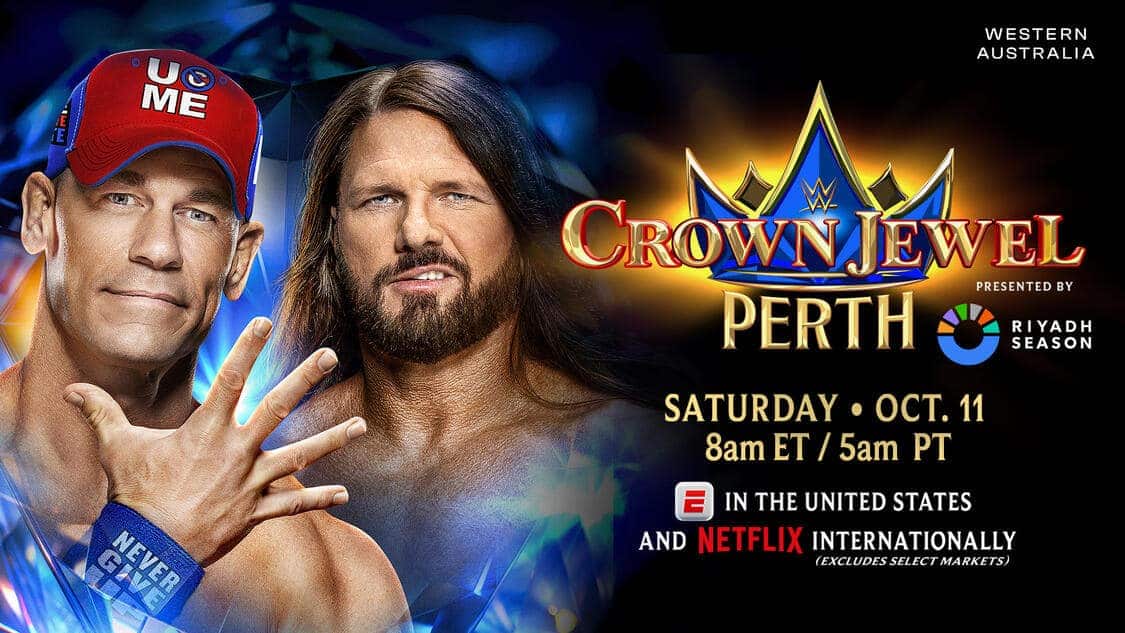
Furthermore, the reliance on the Crown Jewel match against Cena—a bout he was not initially slated to work—highlights a reactive booking process. Styles had to refute the persistent rumor that Cena called the match in the ring, emphasizing that the execution was collaborative. When a veteran of his caliber is forced to clarify the mechanics of his own work, it underscores a lack of faith in the finished product's presentation.
Reflecting on the final transition
The decision to hold the retirement bout at the Royal Rumble rather than waiting for a later stage shows a preference for expediency over pageantry. Decisions like these inevitably lead to fan dissatisfaction regarding how legends are mothballed. As discussed by Styles himself, the logic behind the Rumble exit felt more like a logistical necessity for the company than a creative climax for the wrestler.
We must also address the missed potential with talents like Gunther. As Styles pointed out, the momentum gained from retiring major names was diluted through disjointed follow-ups. If the final months of an icon’s career are managed with this level of haphazard scheduling, the sting of retirement is worsened by the feeling of wasted time. Styles leaves behind a legacy defined by excellence in the ring, but his final chapter was a glaring example of how corporate maneuvering can truncate a superstar's farewell.
My prediction: History will judge the 2025 era of WWE booking harshly for its treatment of the mid-to-late career transitions. Styles will be remembered for the 2016-2018 run of clinical, high-impact contests that pushed the company into a new technical era, while the haphazard nature of this final tour will be dismissed as a footnote in a Hall of Fame career.
Read Next
- AJ Styles deserves more than a nostalgia act for his final run
- John Cena’s final tour creates a booking headache for AJ Styles
- WWE is fumbling Gunther's legendary rub while Saraya tells the truth
- John Cena is heading for a final act collision with The Judgment Day
- 🏆 WrestleMania 41 — Full Coverage Hub
- 👴 John Cena Retirement Tour 2026