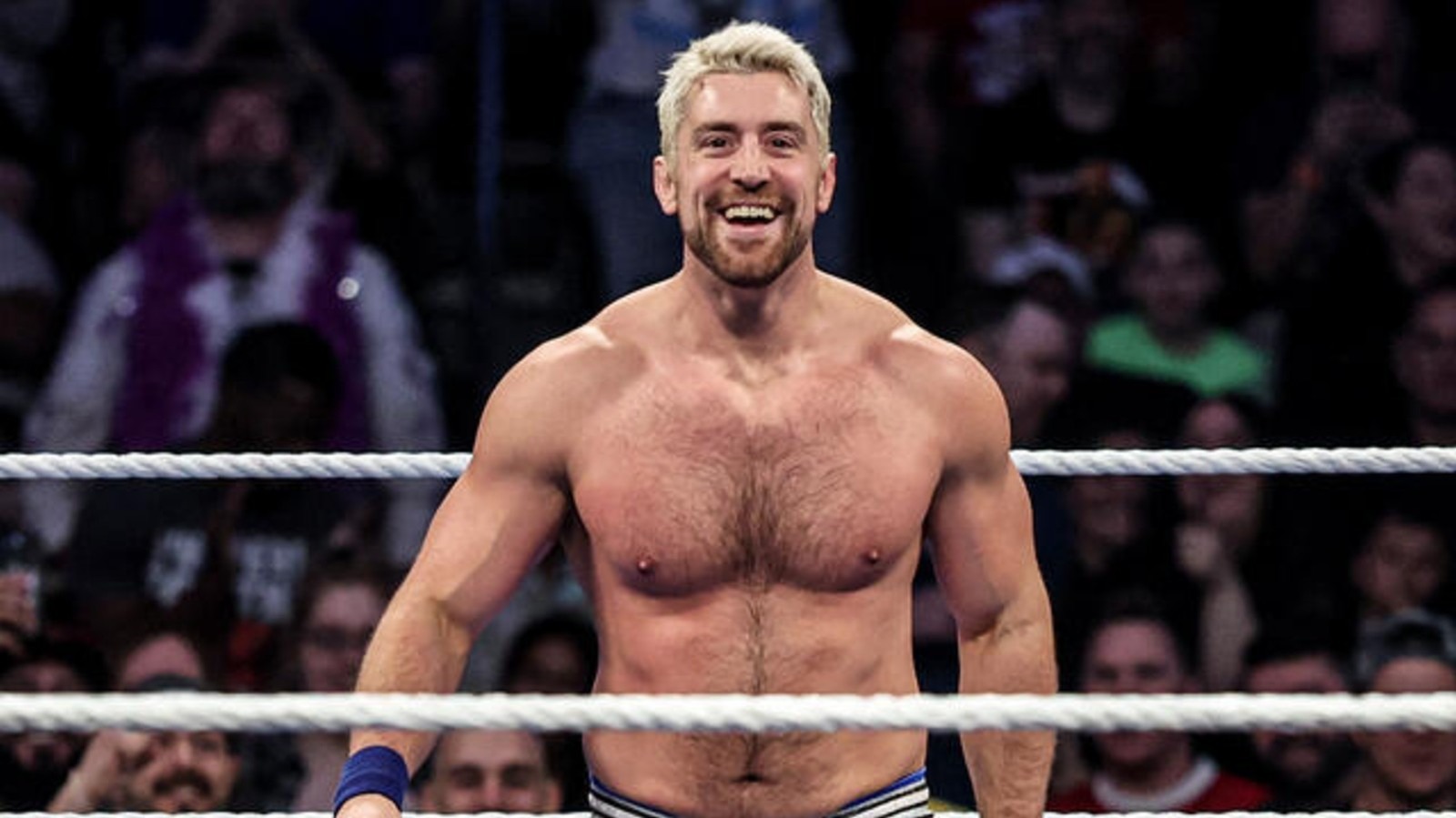
The Crossover Toll: Joe Hendry and the Performance Center Meat Grinder
Joe Hendry is finding out that WWE NXT stardom comes with a steep physical toll. The TNA Wrestling standout has officially termed training at the WWE Performance Center in Orlando, Florida, as one of the most demanding experiences he has ever endured.
Hendry has spent years working high-profile matches across Europe and North America. Yet, the daily conditioning and repetitive drilling at WWE's flagship development hub pushed him to new physical limits.
This is not a simple case of standard fatigue. It is a stark reminder of the physical gap between working an indie schedule and surviving the WWE machine. As Wrestling Inc first reported, Hendry identified the NXT training environment as one of the most difficult challenges he has faced.
The Conditioning Grind: Why the PC Breaks Experienced Veterans
The WWE Performance Center is designed to build athletes from scratch, but its impact on seasoned professionals is often highly punishing. Veterans entering the system must adjust to the ring style favored by WWE, which emphasizes explosive power and rapid pacing.
This style requires repetitive, high-impact bumping and explosive drills that stress the lower back, hips, and knees. For a performer like Hendry, who relies on an intense, power-based wrestling style, the sudden increase in volume is a major hazard.
The transition involves hours of neck bridging, compound lifts, and conditioning drills designed to build stamina for long matches. The risk of soft-tissue damage increases exponentially during these transition phases.
Minor muscle strains in the back or shoulders can easily become chronic issues if neglected. The coaching staff at the facility pushes a relentless pace to test physical durability.
Disrupting a veteran's established physical rhythm with daily, high-intensity drilling is a recipe for wear. Crossover standouts frequently encounter joint inflammation and muscle tears within their first few months of training.
The WWE Performance Center is famous for its grueling daily schedule, which begins at dawn and runs for several hours. Wrestlers participate in intensive ring drills under the watchful eyes of veteran trainers who demand absolute precision.
These sessions include repetitive dropkicks, heavy back body drops, and continuous running of the ropes. For someone of Hendry's muscular build, this repetitive impact can cause serious micro-trauma to the lower back and shoulder joints.
The transition to the signature WWE style is rarely smooth, even for athletes in peak physical condition. Wrestlers are expected to move straight from the ring to the weight room for heavy strength training.
However, the lack of recovery time can lead to overtraining syndrome and increased injury susceptibility. The physical strain is further compounded by the intense travel schedule required for local NXT house shows.
The Crossover Schedule Gap: TNA versus WWE
The physical challenge is even greater for talent coming from outside the WWE system. TNA Wrestling operates on a tape-delay schedule that allows performers to manage their physical recovery far more effectively.
Crossover talent is accustomed to working highly intense matches but with weeks of rest in between. The sudden shift to the daily grind of the Performance Center is a jarring shock to the nervous system.
The historical record shows that several top indie stars have suffered major joint injuries during their initial transition months. We have seen this pattern play out with other prominent crossover stars in recent years.
Veterans like Samoa Joe and Shinsuke Nakamura had to adapt their hard-hitting styles to fit the safer, more structured WWE template. In doing so, they both experienced nagging soft-tissue injuries during their physical transition.
The transition demands a complete recalibration of how an athlete moves, takes bumps, and manages their in-ring cardio. Hendry is now facing that exact same physical wall, and his survival depends on how well his body adapts to the new demands.
Strategic Roster Management and Ratings Implications
The strategic partnership between TNA and NXT hangs in the balance of these physical assessments. If TNA’s top stars are returning from WWE bookings with severe physical wear, the partnership could sour quickly.
TNA cannot afford to have its primary champions sidelined due to grueling training sessions in Orlando. Failing to manage this physical workload could lead to a mutual loss of trust and the cancellation of a highly lucrative talent exchange program.
Competitors like AEW closely monitor how WWE manages its roster's health. If NXT’s reputation for grinding down experienced talent persists, it could discourage top free agents from signing with the company.
Performers are increasingly prioritizing long-term health and lighter schedules over the prestige of the WWE logo. NXT must prove that its training methods can sustain healthy careers rather than just producing short-term ratings spikes.
The financial stakes of roster health are higher than ever for the NXT brand. The television contract relies heavily on NXT maintaining stable viewership numbers in the weekly cable ratings.
The rebound to over 500,000 viewers on May 19, 2026, was a welcome relief for WWE management after a worrying downward trend. According to the latest viewership reports, the NXT broadcast on May 19, 2026, drew over 500,000 viewers.
To sustain this momentum, NXT must keep its key attractions healthy. If Hendry or other top stars are sidelined, viewership could easily slip back below the key half-million threshold.
The pressure is particularly intense in the key demographic ratings that television networks and advertisers prioritize. The presence of healthy, high-profile crossover stars is a proven draw for younger viewers who might otherwise tune out.
The physical conditioning of these stars is therefore a matter of direct economic importance to the brand. A healthy roster is the foundation of a successful television product.
Behind the Broadcast: Commentary and the Illusion of Athleticism
The broadcast team acts as the first line of defense in managing the audience's perception of roster fatigue. When a wrestler is visibly struggling in the ring, the commentators must frame that struggle as dramatic storytelling.
Vic Joseph's ability to coordinate with Booker T allows them to spin physical exhaustion as heroic determination. This vocal support is essential for maintaining the high-stakes feel of NXT television.
However, the commentary team can only do so much to mask the reality of a physically depleted roster. Booker T's extensive career gives him a unique perspective on these physical demands.
His praise highlights the important role a skilled announcer plays in the modern wrestling presentation. As WrestleTalk reported, Joseph’s ability to sell the physical drama is a key part of NXT's television package.
The announcers must work in perfect harmony to keep the audience engaged through slow spots and physical lulls. While this collaboration is a vital part of the NXT production machine, commentary cannot hide the visual evidence of physical wear.
Attentive fans often spot the slower recovery times, taped shoulders, and heavy breathing during the third fall of long matches. The illusion of effortless athleticism requires an immense behind-the-scenes effort in sports science and physical therapy.
A Critical Examination: Is the PC Method Outdated?
The intense training regimen at the Orlando facility deserves serious criticism. Forcing seasoned professionals like Joe Hendry to undergo the exact same basic conditioning drills as raw recruits is a questionable strategy.
Veterans have already accumulated years of ring wear and tear. Their bodies do not need basic bump drills; they need targeted conditioning and recovery.
Pushing these established stars through identical high-impact workloads is a recipe for premature burnout. WWE must learn to differentiate its training programs based on athlete age and career mileage.
The current system risks turning high-value assets into damaged goods before they can generate significant merchandise sales or television ratings. A smarter approach would prioritize longevity and active recovery over old-school toughness.
If NXT wants to maintain its ratings growth, it must modernize its medical and athletic training approach. Relying on outdated methods will only lead to more injuries and lost television stars.