The shift in ring presentation
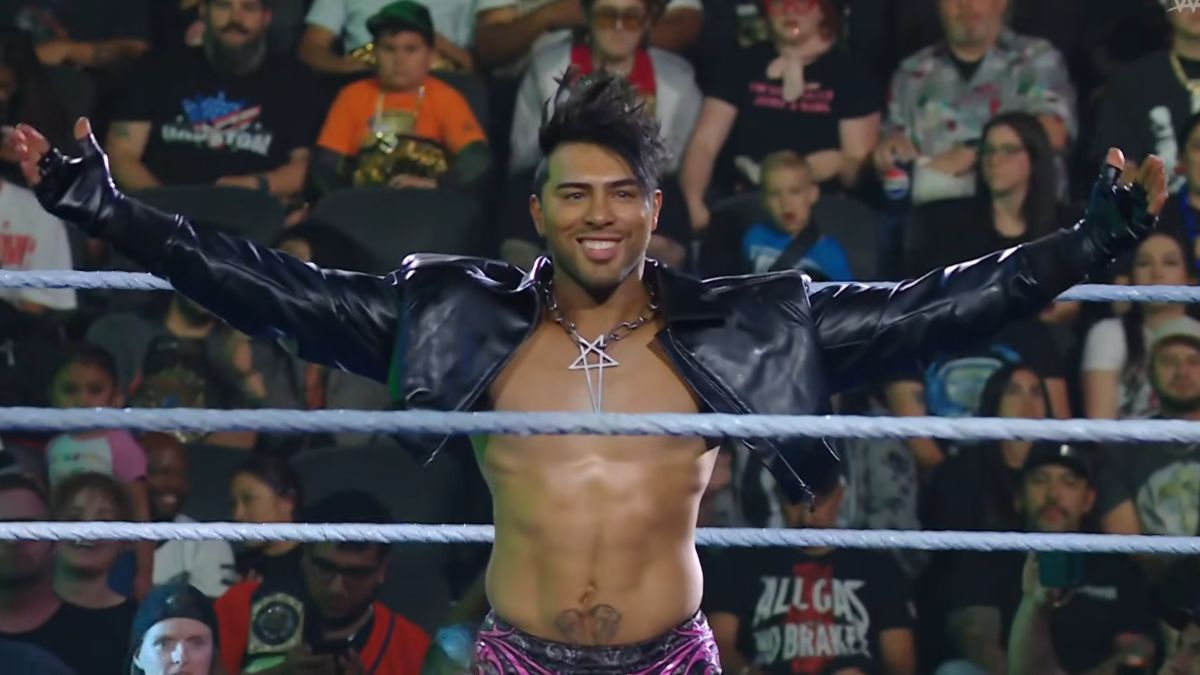
Joaquin Wilde debuted an altered aesthetic on the April 9 episode of WWE Main Event. The move marks a pivot for the LWO member, who described the change as a correction rather than a simple rebranding. Following a period of lackluster booking for the group, the decision to sharpen his on-screen identity highlights a clear attempt to reset his momentum heading into the spring.
Wilde, a staple of the cruiserweight and tag team divisions since his 2019 signing, has struggled to find a consistent foothold on the main roster. His recent work on Main Event has been framed by staff as an opportunity to experiment with character nuances that the tighter windows of Raw or SmackDown rarely allow. This specific adjustment centers on his presentation, moving away from past styles that failed to distinguish him from the rest of the stable.
Tactical analysis of the LWO stagnation
The LWO has faced significant creative friction since their initial surge in popularity. While the group remains a crowd favorite, their transition into a permanent fixture of the mid-card has been stagnant. Wrestlers like Wilde, who rely on high-energy, technical output, often find themselves trapped in three-minute television segments that limit actual ring time.
A critical observation involves the lack of narrative stakes for the LWO over the last quarter. Without a clear feud or a path toward the tag team championships, Wilde and his partners have functioned as enhancement talent rather than active threats. This visual correction is a necessary step, yet it ignores the deeper issue of poor character development for the faction's secondary members. A new look alone cannot resolve the lack of coherent booking strategy.
The history of rebrand cycles
WWE has a long history of utilizing aesthetic shifts to mask stagnation. Triple H-era creative often encourages performers to self-filter their presentation to better align with the primary television product. However, as noted in recent coverage by WrestleTalk, this specific reset is being framed by the talent as an internal realization that the previous trajectory was not viable. History shows that such mid-contract reboots rarely yield success unless coupled with a meaningful push or a change in in-ring booking.
Compared to previous instances, such as the Cesaro mid-career re-tooling, the immediate hurdle for Wilde is the density of the current roster. With WrestleMania 41 looming on April 19-20, main card space is at a premium. Performing on Main Event positions him as a bottom-tier priority in the eyes of management. Unless this visual shift correlates with a move to more high-stakes programming, it risks becoming another footnote in a quiet year for the LWO.
The strategic implications
The timing of this change is suspicious given the proximity to WWE Backlash on May 9. If the creative team intends to revitalize the LWO, this aesthetic update had to happen weeks ago to allow for audience acclimation. By waiting until after the WrestleMania build, the company has ensured that Wilde will play no significant role in the biggest weekend of the year.
Competitively, the market for high-flying specialists is crowded. With AEW frequently utilizing talent like Dante Martin or Vikingo to fill highlight reels, WWE needs more than just a stylistic cleanup to compete for the viewer’s attention. The reliance on legacy factions like the LWO is starting to show its age, as the group lacks the narrative tension that carried them through 2023. If this shift fails to translate into victories, the window for Wilde to move up the card will likely close before the summer tour begins.
Assessment of internal performance
Performance-wise, Wilde remains one of the most reliable technicians on the roster. His ability to execute complex sequences safely—such as his signature 450 splash or his quick-fire hurricanranas—is not in question. However, professional wrestling is a business of perception. Being restricted to the Tuesday-night tape library shows that the decision-makers do not currently view him as a primary revenue generator.
This isn't an issue of talent; it is an issue of utility. The industry focuses heavily on high-profile champions, often at the expense of lower-card diversity. While Wilde deserves credit for proactively seeking a change in his projection, the burden remains on the writers to provide a platform. Until the LWO can secure a win against a significant team, this latest iteration is merely a cosmetic bandage on a deeper creative wound.
Read Next