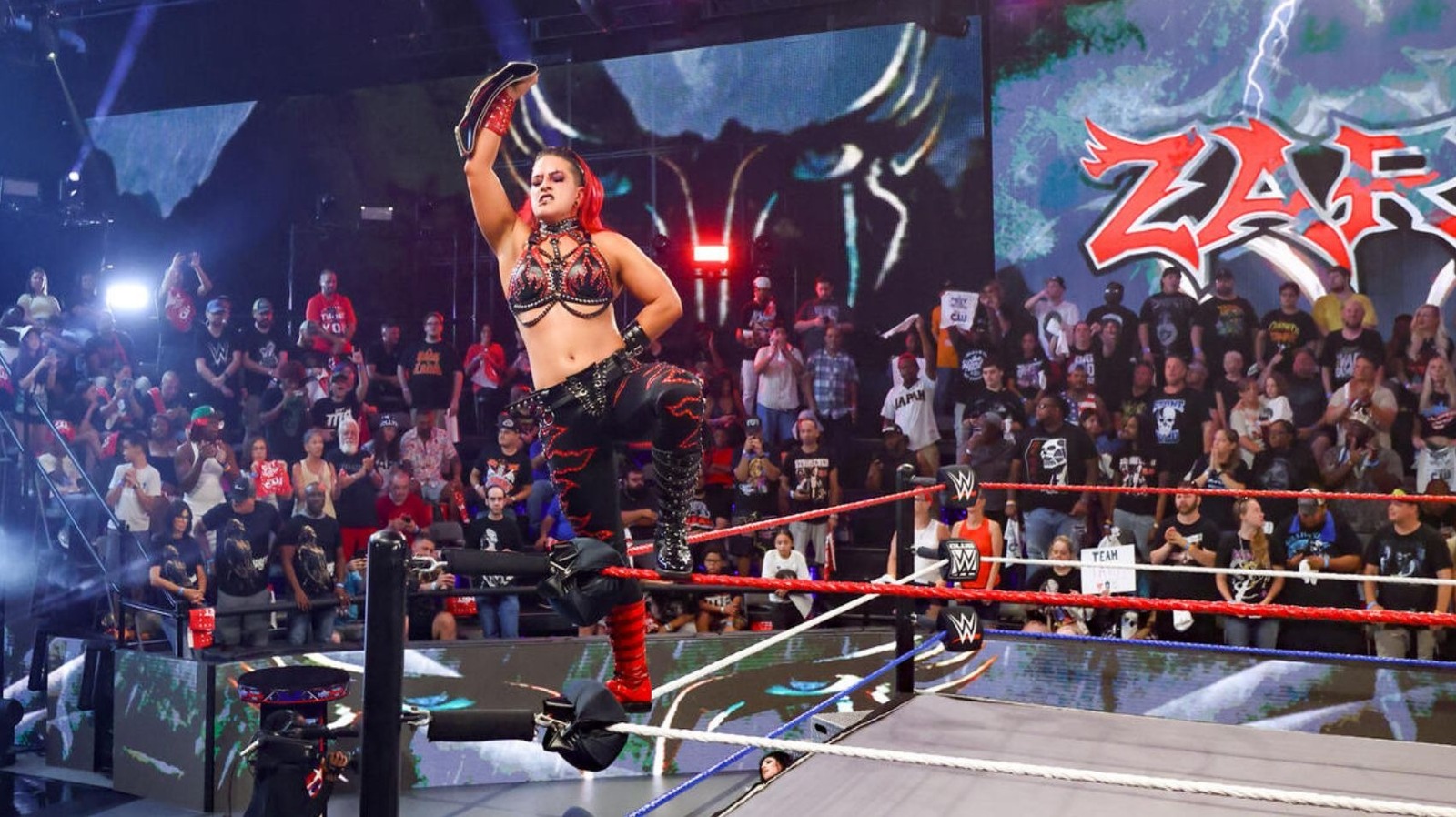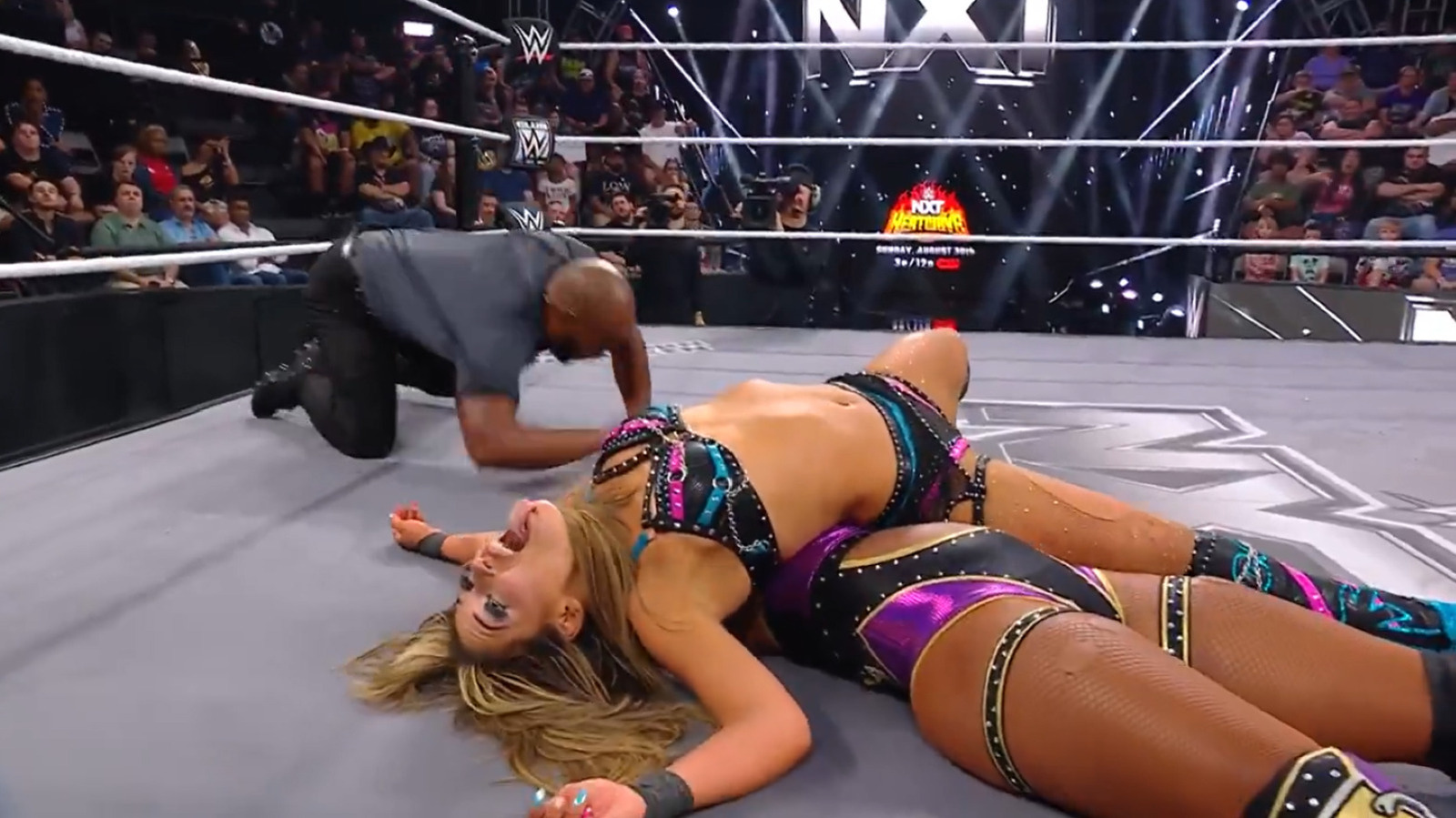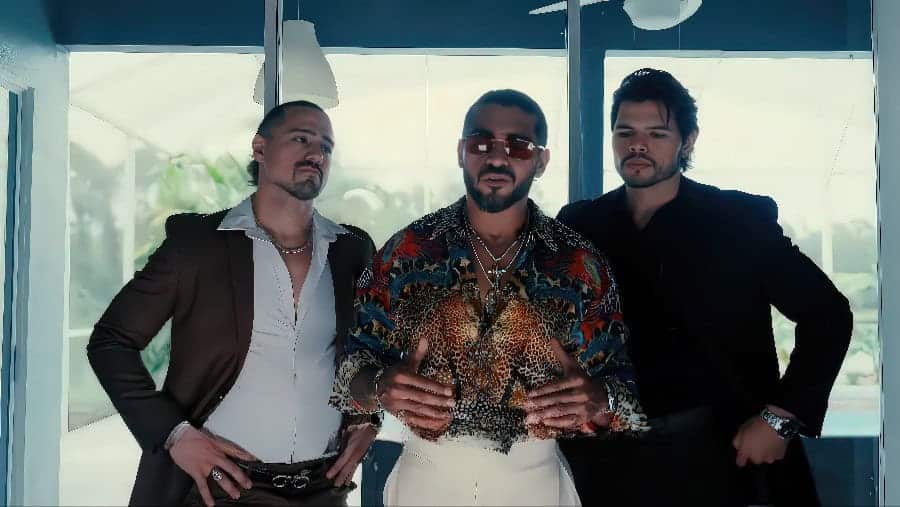
The transition from ring to convention floor
The recent calendar for the athlete formerly known as Santos Escobar is a fascinating case study in career pivots. While the industry fixates on the standard 90-day no-compete cycle or the inevitable jump to a rival promotion, the data suggests a different trajectory. We are witnessing a professional distancing from the squared circle in favor of multimedia branding.
By securing a high-profile spot at San Diego Comic-Con, he is prioritizing mainstream visibility over independent bookings. This isn't just a PR tour; it is a calculated effort to expand his market value beyond the niche of televised wrestling. Conventional wisdom would have dictated a surprise appearance at a major indy show, yet the focus has shifted to fan conventions and autograph circuits.
The math of the post-WWE pivot
Consider the recent activity report confirming his first post-WWE appearance. Booking an appearance that doesn't involve a physical match allows an athlete to maintain a high level of income while avoiding the physical depreciation of a rigorous touring schedule. This move mimics the career management we saw from figures like Dave Bautista or John Cena, where the wrestling persona facilitates entry into larger cultural spaces.
Critics will argue that silence is a death sentence in the wrestling business. If you aren't on screens weekly, your relevance metrics plummet. However, his cryptic social media remarks claiming he is waiting to see what destiny has for us suggest that he is in no hurry to re-enter a high-frequency work environment. He is playing the long game, or perhaps, realizing the ceiling of professional wrestling is lower than he initially calculated.
The structural flaw in the comeback narrative
The most glaring negative here is the absence of an in-ring strategy. If he were returning to the competitive circuit, he would be building momentum through social media training clips or cryptic vignettes. Instead, we have convention dates. It feels like a tactical retreat from the grind of weekly episodic television.
Without a defined path toward a ring-based resolution, his leverage starts to fade by the 90-day mark. If he stays off television for too long, his ability to negotiate a premium contract drops significantly. Currently, his peak value remains tied to his previous visibility, which has an expiration date. He is essentially trading current standing for potential longevity in the crossover market, a risky wager that rarely pays off unless you are a generational star.
My prediction holds that we will not see him in a major wrestling ring for at least the remainder of the year. He is rebranding as a personality. By the time he considers a return to combat sports, he will likely find his previous audience shifting, potentially diminishing his 80% relevance rate within the hardcore fan demographic. He is walking away from the ring to secure a career that exists independently of a promoter.