The Big Picture
The road to Allegiant Stadium is violently short. With WrestleMania 41 looming over Las Vegas on April 19 and 20, WWE is operating at a relentless pace.
But the product on screen is only half the story. Behind the curtain, a massive philosophical shift is changing how talent is acquired, matches are produced, and stories are told.
10-6: Development, Producers, and Supporting Cast
10. The WWE ID Pipeline
Independent wrestling is no longer just a wild west of uncontracted talent. The introduction of the WWE ID system has fundamentally altered how the company recruits. They are essentially franchising the indies, turning regional promotions into official feeder leagues.
As Ringside News recently noted, the developmental system just absorbed another fresh name to its growing ranks. It is a smart, aggressive play to hoard talent before AEW can even make a phone call. This monopolization tactic threatens to starve smaller promotions of their biggest draws, turning the vibrant indie scene into a sterile corporate waiting room. If you are a top independent star right now, you are either signing an ID deal or getting left behind entirely.
9. The Death of the Spotfest
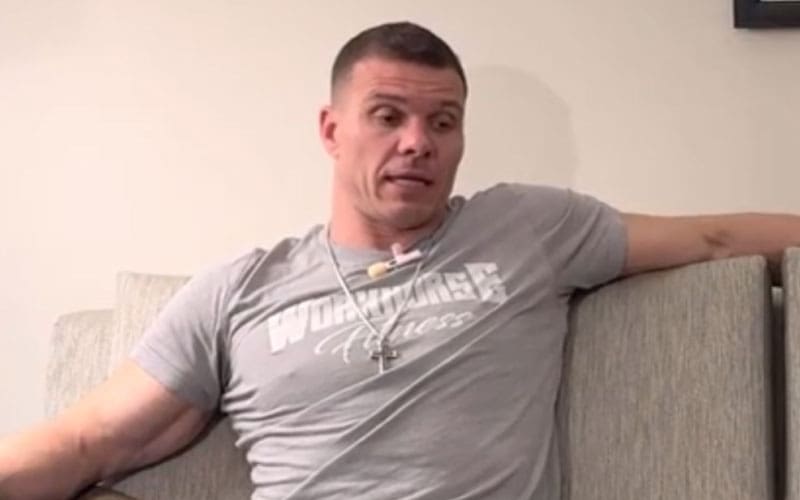
Flashy moves do not draw money. That is the hard truth currently being enforced backstage by the production team. WWE producer TJ Wilson has been incredibly vocal about this necessary shift in ring psychology.
Speaking candidly on the state of the product, Wilson explained why storytelling always trumps high-flying spots. You can see his fingerprints all over the weekly television matches. It is a needed course correction from the era where guys were kicking out of top-rope avalanches at the 12-minute mark on Raw. The focus is back on the struggle, rather than just waiting for the next cooperative gymnastics routine.
8. AJ Styles: The Veteran Scout
Transitioning AJ Styles into a talent evaluation role is the smartest personnel move of the year. Nobody understands the geometry of a wrestling ring better than him. Styles is already deep into his new gig, detailing exactly what he looks for when scouting the next generation of superstars.
Having a guy who survived TNA, conquered New Japan, and dominated WWE grading your tryout match completely changes the standard. He is not looking for bodybuilders who blow up after running the ropes twice. Styles knows exactly what translates to the main roster, filtering out the pretenders before they ever step in front of a live television camera.
7. John Cena's Final Run
The farewell tour culminates at WrestleMania 41 Night 1. It is the end of an absolute era for the company, and honestly, it is about time. Cena’s current run has been heavy on nostalgia but incredibly light on compelling bell-to-bell action.
The Las Vegas crowd will treat him like a conquering god on April 19. But the real value here is whoever gets the rub of retiring him. WWE cannot afford to waste this massive opportunity on a safe, established veteran like Randy Orton. They have to make a new, permanent star. The entire wrestling world is watching to see who gets the ultimate passing of the torch.
6. Sami Zayn's Faction Mastery
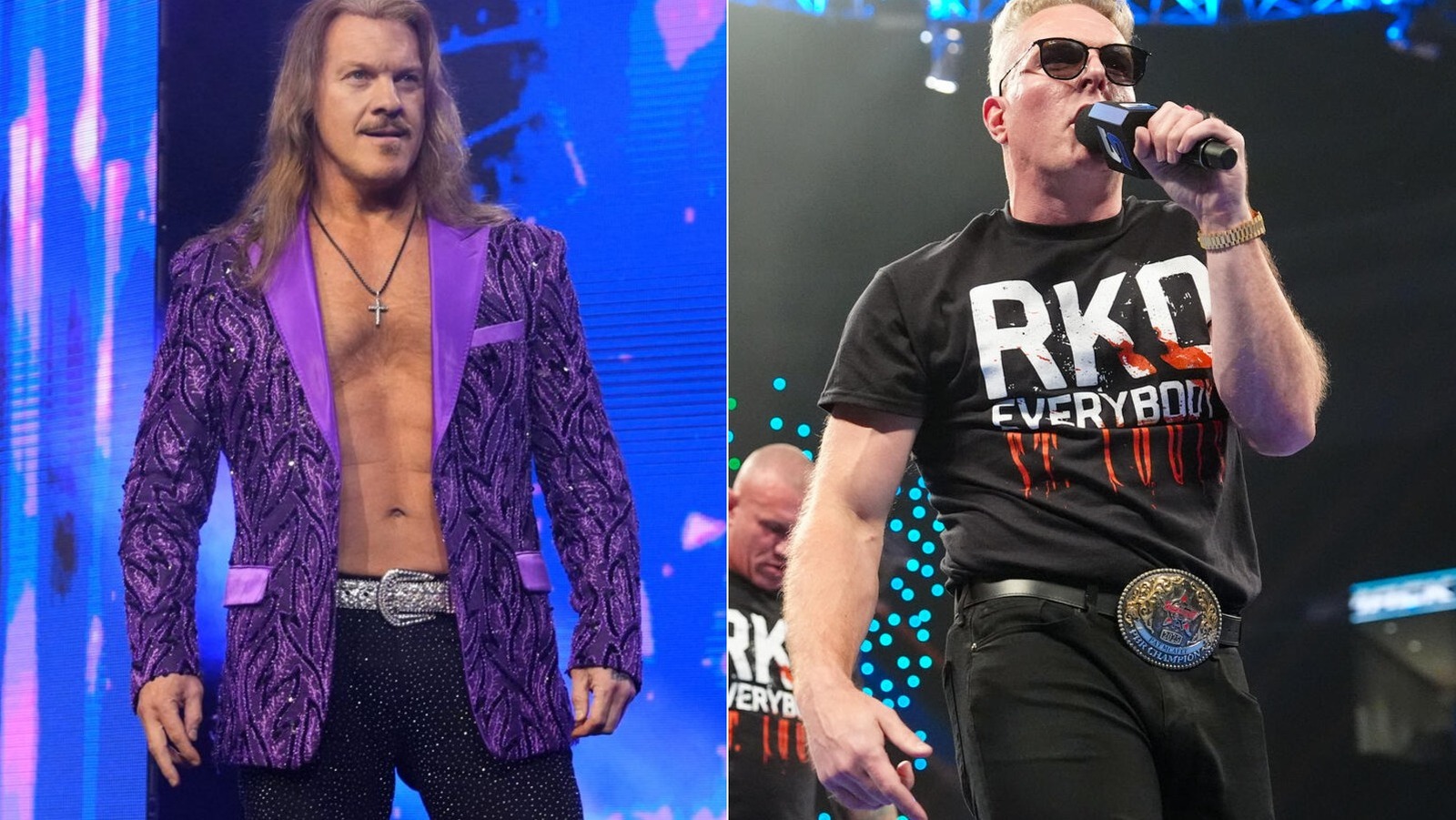
Sami Zayn is arguably the best supporting actor in professional wrestling history. His brilliant work with the Bloodline remains the absolute gold standard for long-term emotional investment. Even performers outside the company recognize his unique value.
AEW's MVP recently compared Zayn's role to Owen Hart in the Nation of Domination. It is an incredibly accurate comparison. Zayn brings a desperate, almost pathetic humanity to otherwise serious, physically dominant factions. He is the sticky glue that makes you care about the monsters standing silently behind him. Without Zayn’s neurotic energy, these stable storylines often devolve into boring, repetitive beatdowns.
5-1: The WrestleMania 41 Main Event Picture
5. CM Punk's Night 1 Ambitions
Punk is in Las Vegas for exactly one reason. He wants the main event slot that eluded him for an entire decade. His impending WrestleMania 41 Night 1 match is easily the most volatile element on the card.
Punk’s body has betrayed him multiple times since his shocking return. Every time he hits the ropes at full speed, you hold your breath hoping a triceps does not tear. But his microphone work remains entirely unmatched by anyone in the locker room. He sells pay-per-views with a single, unscripted promo segment. WWE needs his dangerous, unpredictable aura to balance out the more corporate elements of the roster.
4. The Bloodline Rules Fatigue
We have to talk about the massive elephant in the room. The Bloodline saga is violently dragging. Roman Reigns remains a massive box office draw, but the constant interference finishes and repetitive monologues are wearing incredibly thin.
The storyline functionally peaked over a year ago. Now, it often feels like we are just watching syndicated reruns. The upcoming Night 2 clash with Cody Rhodes on April 20 absolutely needs a clean, definitive finish. No more guys in black hoodies hopping the barricade. No more Samoan Spikes out of nowhere. Just ring the bell and let two guys fight.
3. Cody Rhodes as the Corporate Ace
Cody Rhodes is currently carrying the entire company on his bleeding back. He works every single house show, does every tedious morning media hit, and delivers in the main event. He defends the WWE Championship on April 20, and the pressure is entirely on him to deliver an absolute classic.
Rhodes has successfully replaced Cena as the squeaky-clean, suit-wearing face of the brand. But his title reign has occasionally suffered from predictable, paint-by-numbers booking. He desperately needs a vicious, unapologetic rival to bring out his aggressive edge. Playing the smiling hero only works if the villain is an actual threat.
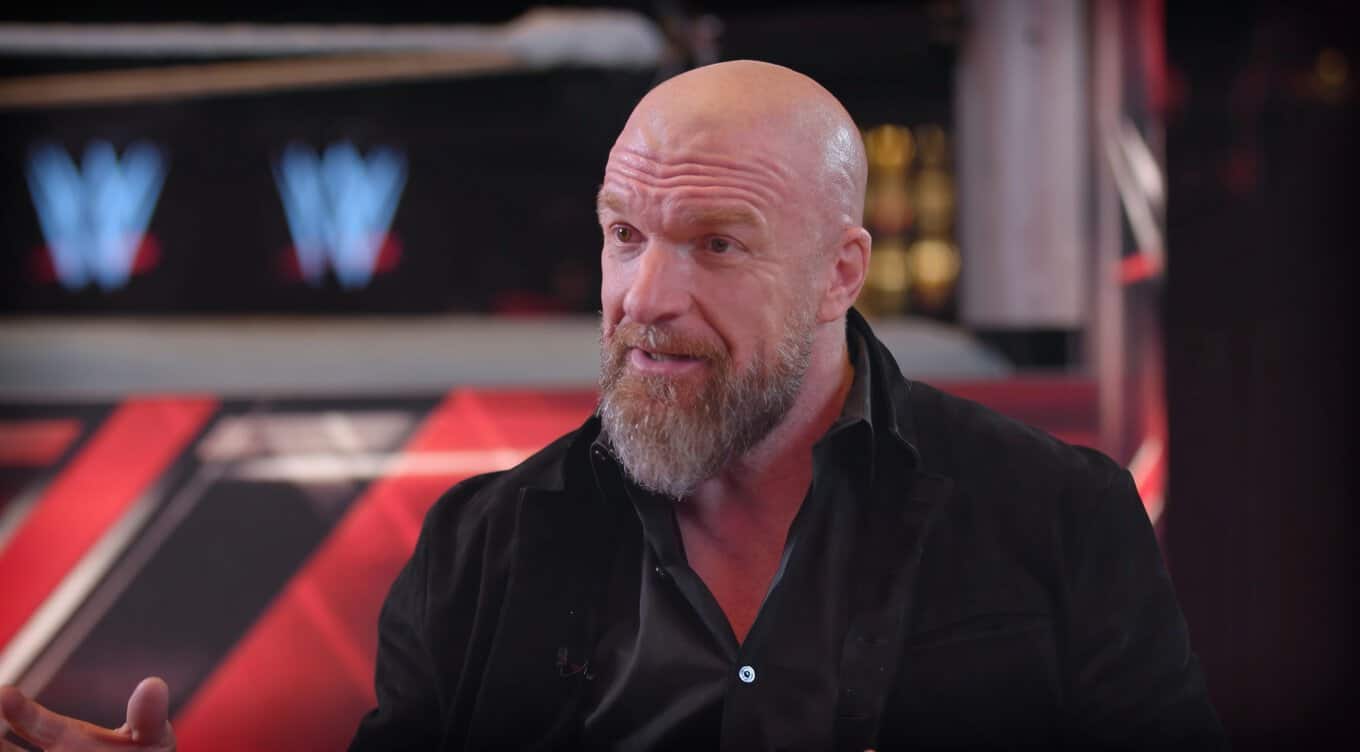
2. Triple H's Pacing
Paul Levesque has fundamentally altered the rhythm of WWE television. The frantic, attention-deficit booking of the Vince McMahon era is officially dead. Matches actually have room to breathe, and angles take months to develop rather than minutes.
But this slow-burn approach is not flawless. Sometimes, Triple H takes way too long to pull the trigger on a hot act. He frequently sacrifices red-hot momentum for the sake of long-term calendar planning. Not everything needs to wait for a stadium show. The refusal to pivot when a crowd organically chooses a new favorite remains the biggest weakness of this current regime.
1. The Netflix Transition
The move to streaming is the single biggest business shift in wrestling history. It completely changes the censorship rules, the commercial break structure, and the global reach. WWE is no longer bound by traditional, restrictive cable metrics.
They are operating as a live sports juggernaut on the biggest streaming platform on earth. This changes how they script promos, format matches, and shoot backstage segments. It is a massive financial victory that is reportedly pulling in $5 billion over the life of the deal. However, the production hiccups and audio drops during live broadcasts are completely unacceptable for a company of this size. They have exactly 21 days to fix these technical issues before the Vegas spectacular kicks off.
Honorable Mentions
Gunther's brutal, methodical title defenses continue to be the absolute best pure wrestling on the show. Drew McIntyre’s relentless social media trolling has completely redefined how heels operate in 2026.
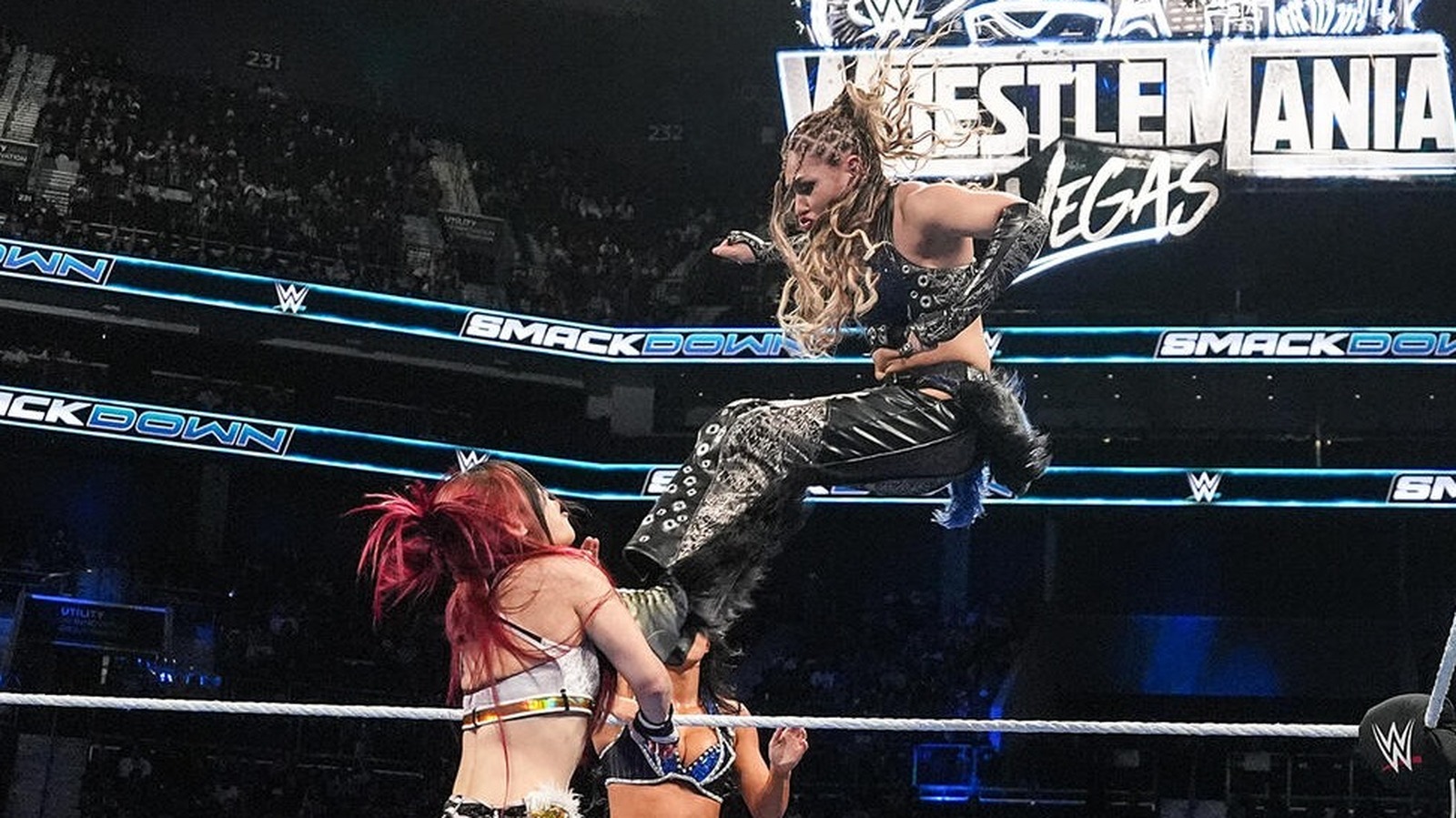
And the women’s division, despite boasting the most loaded roster in history, is still struggling to get consistent television time outside of the title pictures. It is a glaring blind spot the creative team needs to address immediately.
Read Next