The Physical Cost of a Lifetime on the Road
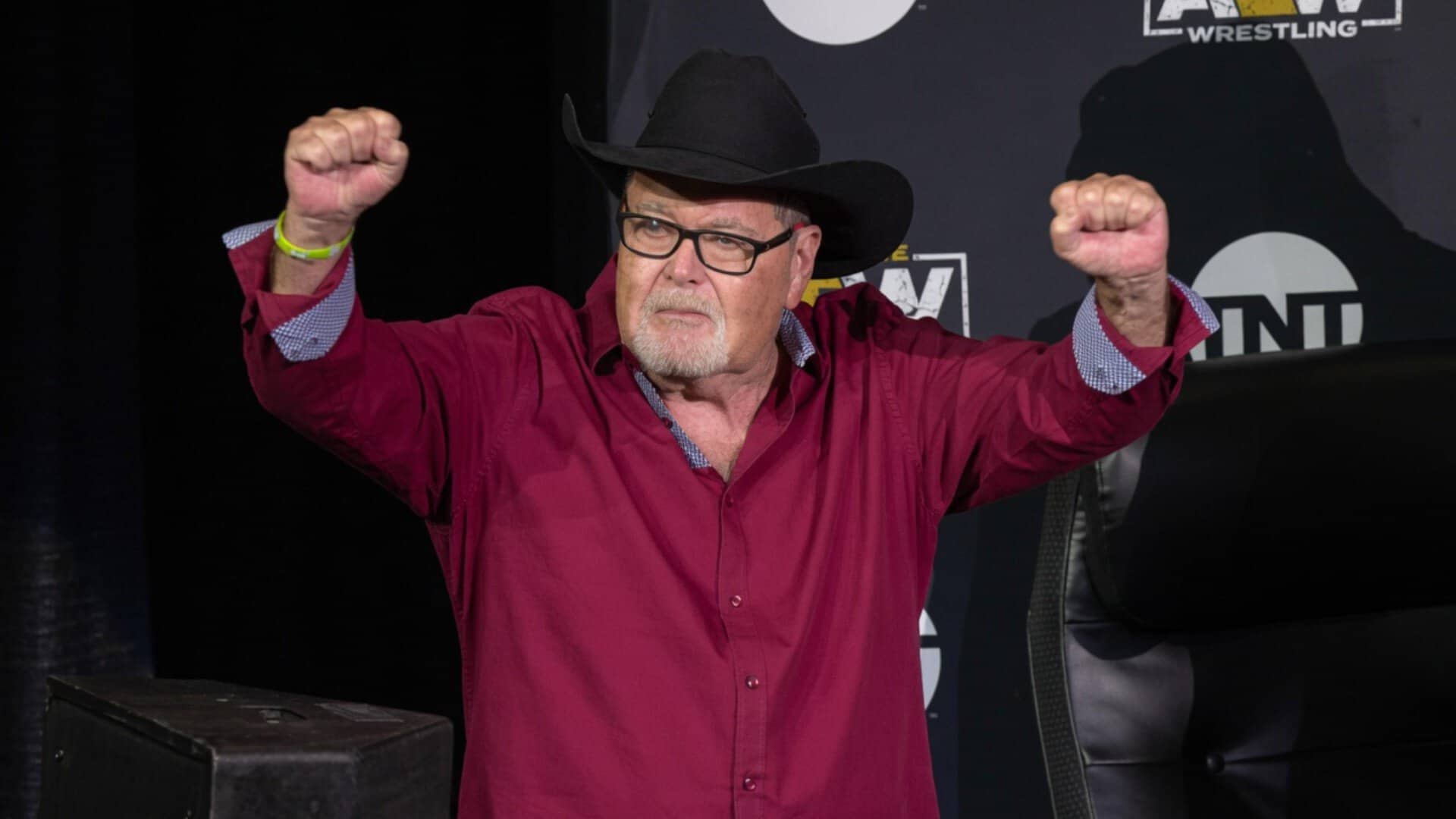
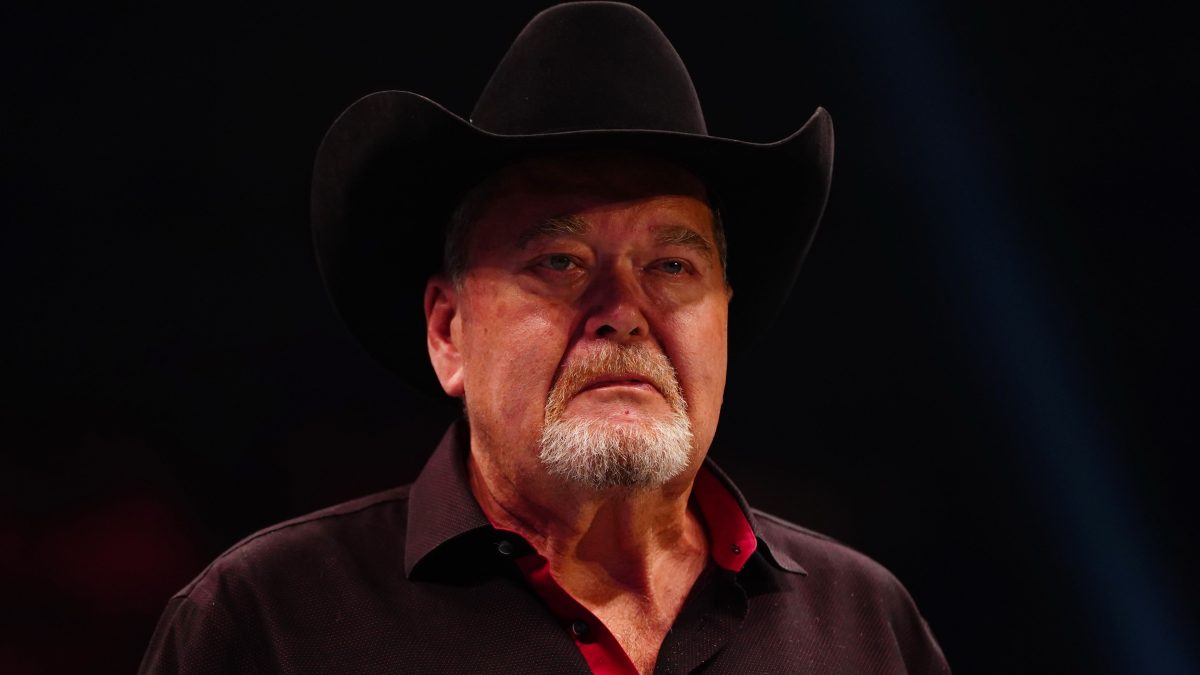
Jim Ross is wrestling royalty. For three generations of fans, his voice was the soundtrack to the industry's highest highs. When he speaks, the words carry the weight of a historian who lived through the territories, the Monday Night Wars, and the rise of modern wrestling.
But the legendary broadcaster is now preparing for a different kind of confrontation. As PWInsider reported, the veteran announcer will undergo brain surgery next week to remove excess fluid. This procedure represents the latest hurdle in a series of severe health struggles that have kept him away from the microphone.
The announcement came directly from Ross on his July 9 podcast. He revealed that he recently spent nearly 40 days in the hospital after passing out at his home. Doctors identified a buildup of cerebrospinal fluid on his brain, a condition requiring immediate surgical intervention.
Wrestling fans know Ross as a survivor. He has repeatedly battled Bell's palsy, fought off skin cancer on his leg, and endured the physical toll of decades on the road. Yet, this upcoming operation represents a significantly more dangerous challenge than his previous medical issues.
The road-warrior lifestyle of professional wrestling is notoriously unforgiving. Announcers do not take bumps in the ring, but they fly weekly, sit in drafty arenas for hours, and work under immense stress. For a performer who is now a 74-year-old man, that constant grind eventually exacts a steep physical price.
In the golden era of the territory system, Ross was driving hundreds of miles a night through Oklahoma, Louisiana, and Texas for Mid-South Wrestling. He transitioned to WCW and then to WWE, where the travel schedule became international and even more relentless. That lifestyle accumulates a debt that the human body eventually collects in full.
The Shunt Procedure and the Stakes of Recovery
The surgery itself is highly delicate. Doctors plan to implant a shunt to drain the excess fluid from his brain and relieve the pressure. This pressure has caused Ross significant memory problems and severely limited his day-to-day independence.
Currently, the legendary voice of Oklahoma cannot drive. He has been forced to scale back his public appearances and focus entirely on basic recovery. The goal of this shunt is to restore his cognitive clarity and let him live a normal life again.
Ross had to wait for clearance from his cardiologist before doctors could schedule the brain surgery. With his heart condition cleared, he is pushing to get the operation done as quickly as possible. He expects to remain hospitalized for several days following the procedure.
The stakes here extend far beyond whether he ever calls another wrestling match. We are talking about the basic quality of life for a man who has given his entire existence to this business. If the shunt succeeds, it will relieve the cognitive fog that has quietly plagued his recent years.
If the surgery fails to resolve the fluid buildup, the consequences could be permanent. The memory issues Ross described are typical symptoms of normal pressure hydrocephalus. Left untreated, this condition leads to progressive dementia and severe mobility issues.
We must also acknowledge the bravery it takes to publicly discuss these cognitive struggles. Professional wrestling is a business built on bravado and projecting strength. For Ross to admit he was experiencing memory lapses on his podcast shows a rare, admirable vulnerability.
A History of Aging Legends Under the Spotlight
Wrestling has always struggled with how to treat its aging legends. Promoters routinely trot out icons past their prime, exploiting nostalgia at the expense of dignity. We saw this with Ric Flair's multiple retirements, and we see it in the broadcast booth too.
In recent years, Ross's work on AEW commentary faced heavy criticism from online fan communities. Critics pointed to his verbal slip-ups, missed move names, and occasional lack of energy during live broadcasts. Many fans were cruel, demanding his immediate firing without knowing the medical issues building behind the scenes.
But AEW management must also face tough questions. Putting Ross on live television when he was clearly struggling with cognitive fatigue was a questionable decision. It exposed a legendary figure to public ridicule when he should have been protected and rested.
Tony Khan has consistently shown immense respect for wrestling history, but respect sometimes requires saying no. Allowing Ross to call action-paced, fast-paced matches on Collision or Dynamite did no favors to the product or the announcer. The contrast between Ross's slower delivery and the high-flying style of modern wrestlers like Will Ospreay was jarring.
Wrestling history is filled with broadcasters who stayed at the desk too long. Bobby Heenan struggled with his voice after throat cancer, yet was brought back for appearances that felt uncomfortable to watch. The industry must learn to transition its legends into elder statesman roles before their health deteriorates on air.
Ross himself has been stubborn about walking away. His identity is entirely wrapped up in being the voice of professional wrestling. That dedication is admirable, but it can also be self-destructive when the body demands rest.
We saw a similar stubbornness in his WWE exit years ago. He was repeatedly taken off TV, only to fight his way back into the company's plans. That same grit is what he now needs to channel as he enters the operating room next week.
The Ultimate Prediction: Will JR Call One More Main Event?
So, what does the future hold for the most famous voice in wrestling history? We must look at the reality of his recovery timeline and his current AEW contract. Ross is determined to return to the desk, even if it is only for special occasions.
My prediction is clear: Jim Ross will call one more major pay-per-view main event before officially retiring. He will not return as a regular commentator on weekly television. The physical demands of travel and live three-hour broadcasts are simply too high for his body to endure.
Instead, AEW will book him for a single, high-profile match at a major event. Expect him to call a marquee match featuring an old friend, perhaps someone like Dustin Rhodes or Christian Cage. This will allow him to exit on his own terms, with the standing ovation he deserves.
But this prediction hinges entirely on the success of next week's surgery. If the shunt works, we will get that one final, emotional call. If it does not, the legendary broadcaster has already called his last match, and we must accept that the voice of our childhood has officially left the booth.
We are looking at a pivotal moment for wrestling history. The era of the omniscient, larger-than-life play-by-play announcer is drawing to a close. As Ross prepares for surgery, fans around the world can only hope for a successful recovery and a dignified final chapter.
His legacy is already secure, regardless of what happens next week. From the infamous Hell in a Cell match in 1998 to Sting's final ride in 2024, his voice is etched into the fabric of the sport. Now, the wrestling world stands still, waiting to see if its greatest narrator can conquer his toughest opponent yet.