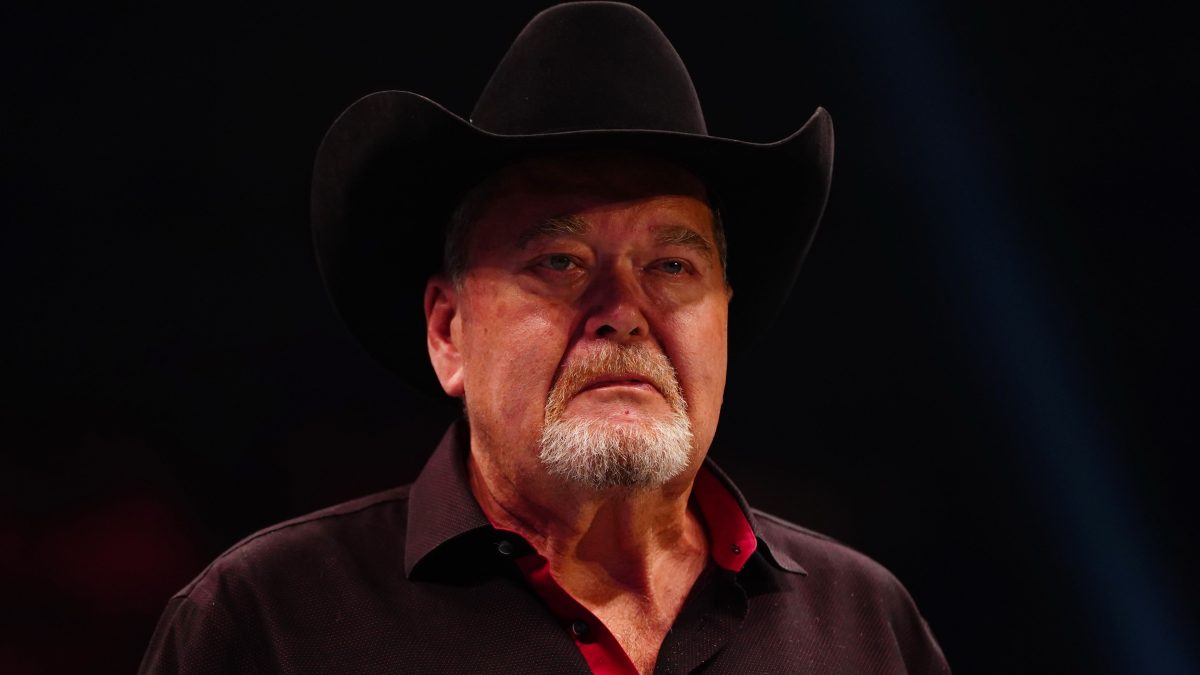
The status of Jim Ross: Brain surgery confirmed
Jim Ross is set to undergo brain surgery in the coming weeks. The legendary commentator, a consistent presence in AEW and a WWE Hall of Fame inductee, confirmed the news shortly after being discharged from an extended hospital stay.
The announcement follows a period of significant health volatility for the 74-year-old. Ross has remained a fixture of the industry despite personal struggles over the past eighteen months, including bouts with skin cancer and complications related to his lower extremities.
The human cost behind the broadcast booth
This situation highlights the physical toll exacted by a half-century in professional wrestling. Ross remains one of the most recognizable voices in the history of the business, having spanned eras from Mid-South to WCW, the Attitude Era, and current AEW programming.
His resilience is well-documented, as he has repeatedly returned to the commentary desk despite ongoing clinical issues. However, the nature of brain surgery presents a different series of medical variables compared to his previous treatment cycles.
Strategic and industry implications
AEW is now forced to plan their broadcast future without their primary historical anchor. Relying on a rotating cast for the commentary booth disrupts the continuity the promotion has cultivated since its inception.
Critics point to the promotion's reliance on aging veterans as a sign of missed succession planning. While JR remains an iconic figure, the inability to transition younger talent into key broadcast spots has left a void in the product's long-term identity.
A pattern of recovery
Medical setbacks have become a recurring reality for wrestling icons of the 1980s and 1990s. The industry has seen similar challenges with figures like Jerry Lawler, who navigated his own recovery after a medical emergency on air.
History suggests that the internal drive of these performers often exceeds their physiological limits. Industry stakeholders are watching closely, not just for the status of the broadcast team, but for the wider implications of how the business manages its elders.
The road ahead
No firm return date exists following this surgical intervention. The primary goal is neurological stabilization rather than a quick return to the road.
The physical demands of travel, coupled with the intensity of live commentary, make a return to the grind of weekly television unlikely in the immediate term. Fans are left waiting for an official word on who fills the seat during the upcoming weeks of programming, marking a quiet shift in the AEW booth dynamic.