The Double or Nothing injury report
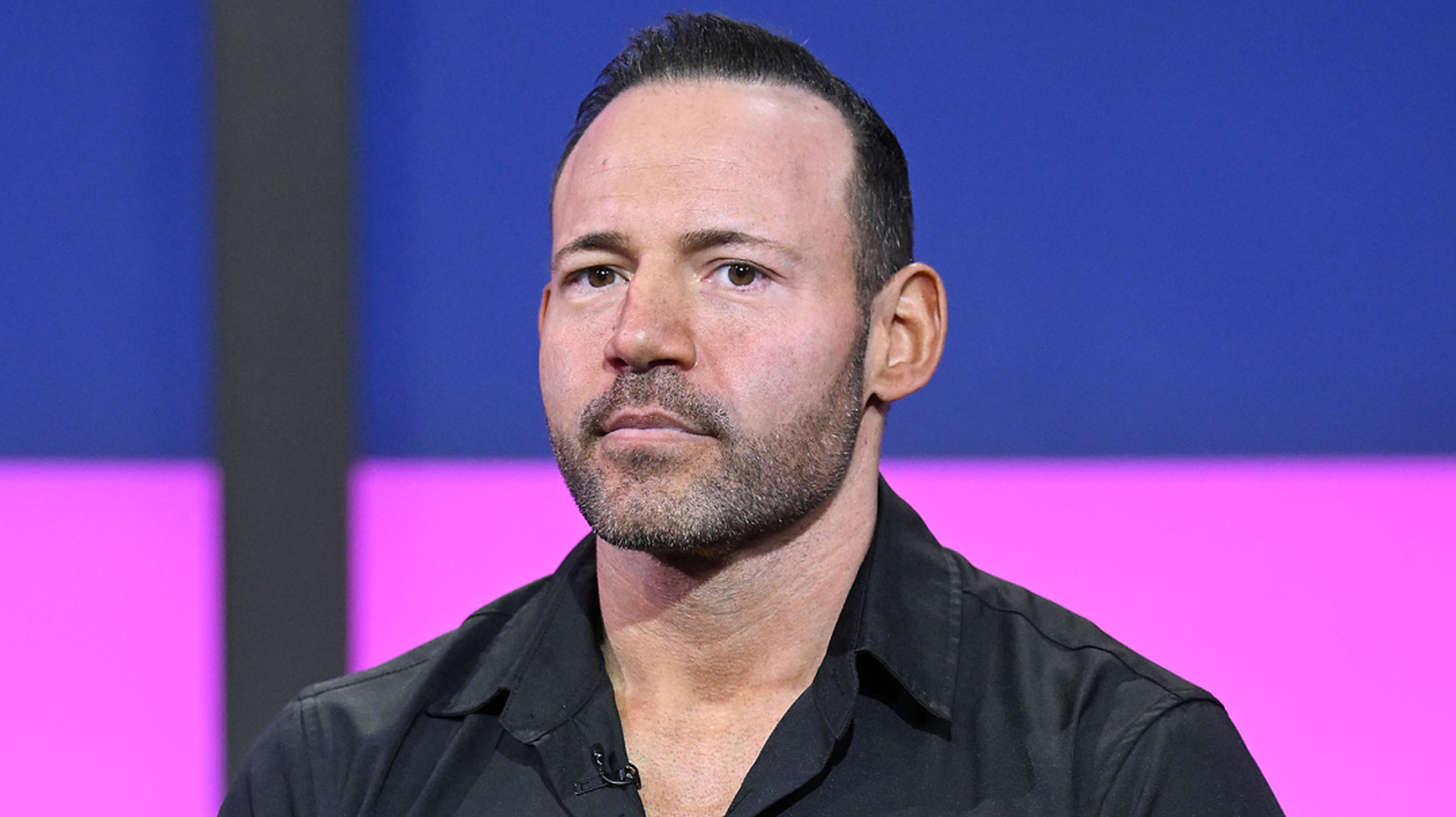
AEW appears to have dodged a major casualty following this past Sunday’s Double or Nothing event in New York City. QT Marshall, who suffered a precarious fall during the show, is currently expected to avoid any significant time on the shelf. The situation, initially viewed with high concern backstage, has trended toward a positive outcome for the veteran performer.
As reported by Fightful Select, the initial fear regarding Marshall’s condition did not materialize into a long-term setback. While the specific mechanics of the injury were handled with caution by medical staff, current indicators suggest he will not be sidelined for an extended period. This provides a clear sigh of relief for AEW’s travel and booking teams as they transition into the summer tour.
The broader impact of the Double or Nothing injury cycle
The health of the core roster remains a constant variable for Tony Khan’s promotion, especially with a busy schedule ahead. Double or Nothing was broadly praised as a “definitive step forward” for the company, yet the physical toll of high-stakes pay-per-view cards is undeniable. Marshall’s scare serves as a reminder of how quickly momentum can be stalled by abrupt physical trauma.
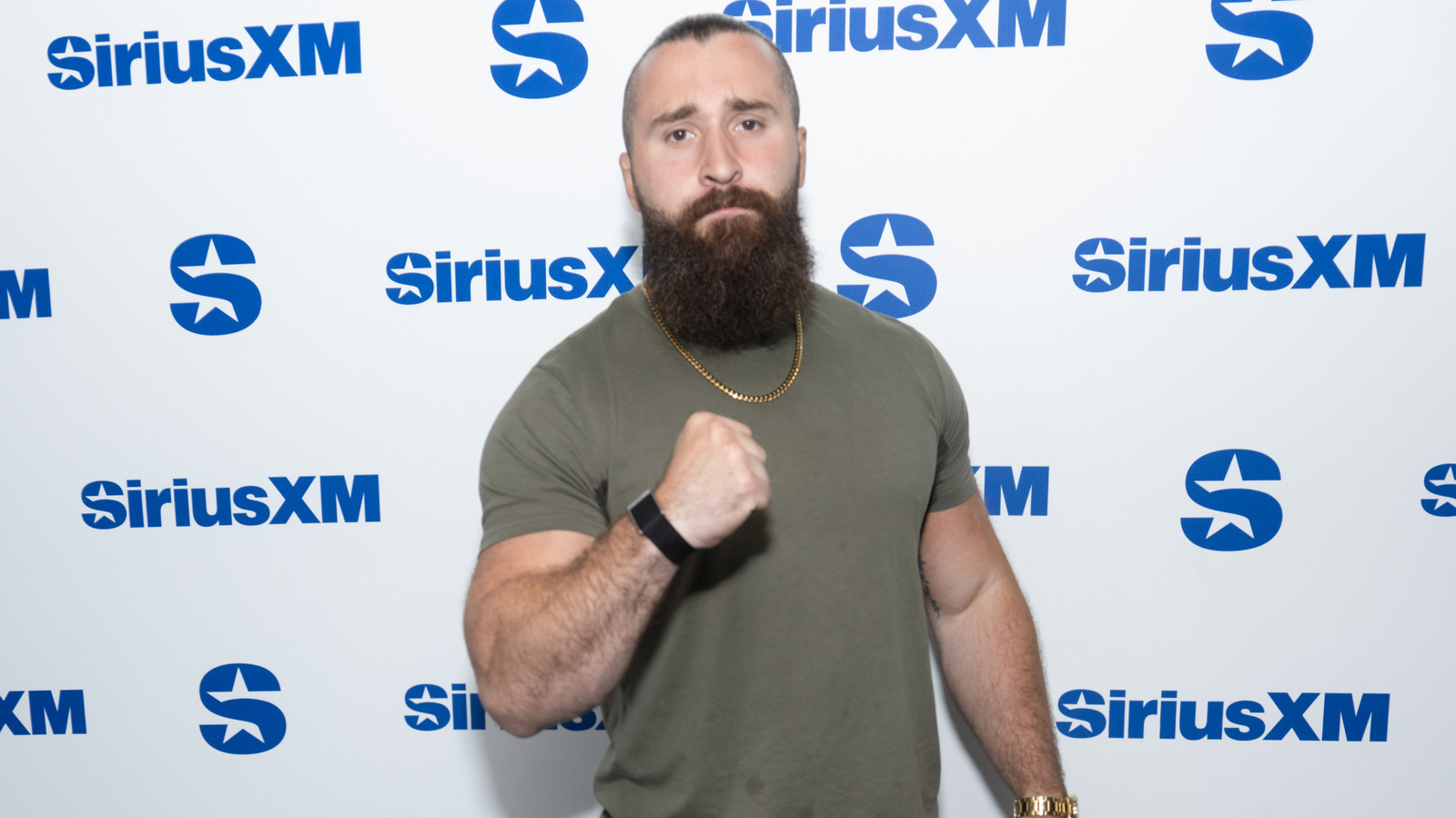
The return of Kyle Fletcher provides a stark contrast to the injury concerns currently facing the locker room. Fletcher, who spent two months out of action after suffering an injury on March 28, finally made his in-ring return during the Sunday broadcast. His reflection on the comeback detailed a strange feeling after such an extended layoff, highlighting the psychological hurdle athletes face when re-entering high-intensity competition after months of rehabilitation.
Strategic implications for AEW’s summer schedule
AEW is now looking toward July 26, where the new Redemption pay-per-view is scheduled to take place in Montreal. Booking trajectories from Double or Nothing, including the heel turn of Knight and the momentum shift for Konosuke Takeshita, require a healthy roster to execute efficiently. Having Marshall available—even in a reduced or rotational capacity—is a standard expectation for a promotion that relies on mixing veteran utility players with high-upside younger talent.
The current injury management process in AEW has been under consistent scrutiny since the company's inception. While the promotion has improved its ability to protect talent, the reliance on high-impact spots in every match naturally increases the statistical probability of these frightening moments. The fact that Marshall escaped serious long-term damage is favorable, but a string of such incidents would force a harder look at the intensity level of undercard matches.
Historical context and performance status
In the professional wrestling industry, a "scare" that avoids surgery is often a win, but it is rarely a guarantee of immediate return to full performance. When an athlete takes a high-risk fall, muscle atrophy occurring during even short periods of recovery can impact stamina and joint stability. History shows that rushing talent back—a common historical trope in promotions like WCW or mid-2000s WWE—often leads to re-injury or secondary compensatory injuries elsewhere in the body.
The industry standard for return-to-play protocols has shifted significantly in the last decade. Modern medicine now mandates rigorous testing for concussion symptoms and structural integrity before any clearance is granted. The caution taken with Marshall mirrors the care shown to other high-profile AEW roster members, preventing the kind of crisis management that plagued the promotion throughout the COVID-era booking cycles.
Critical observations on booking trends
While the product coming out of New York was lauded by many, there is a legitimate question regarding the pacing of these major events. Stacking a card with high-risk, high-intensity matches leaves very little margin for error. If Marshall had sustained a long-term injury, the subsequent creative pivots would have been severe, potentially disrupting the mid-card feuds essential to building toward the Montreal show.
Management must balance the desire for a spectacle-heavy event with the physical reality of the athletes. While the audience demands a high-octane performance, the sustainability of building a long-term narrative is hampered when key roster depth is consistently on the bubble of medical clearance. Success in the next quarter relies on the health of the entire talent pool, not just the top-level main eventers who are already being pushed toward their physical limits.