The Best Waiter in the World
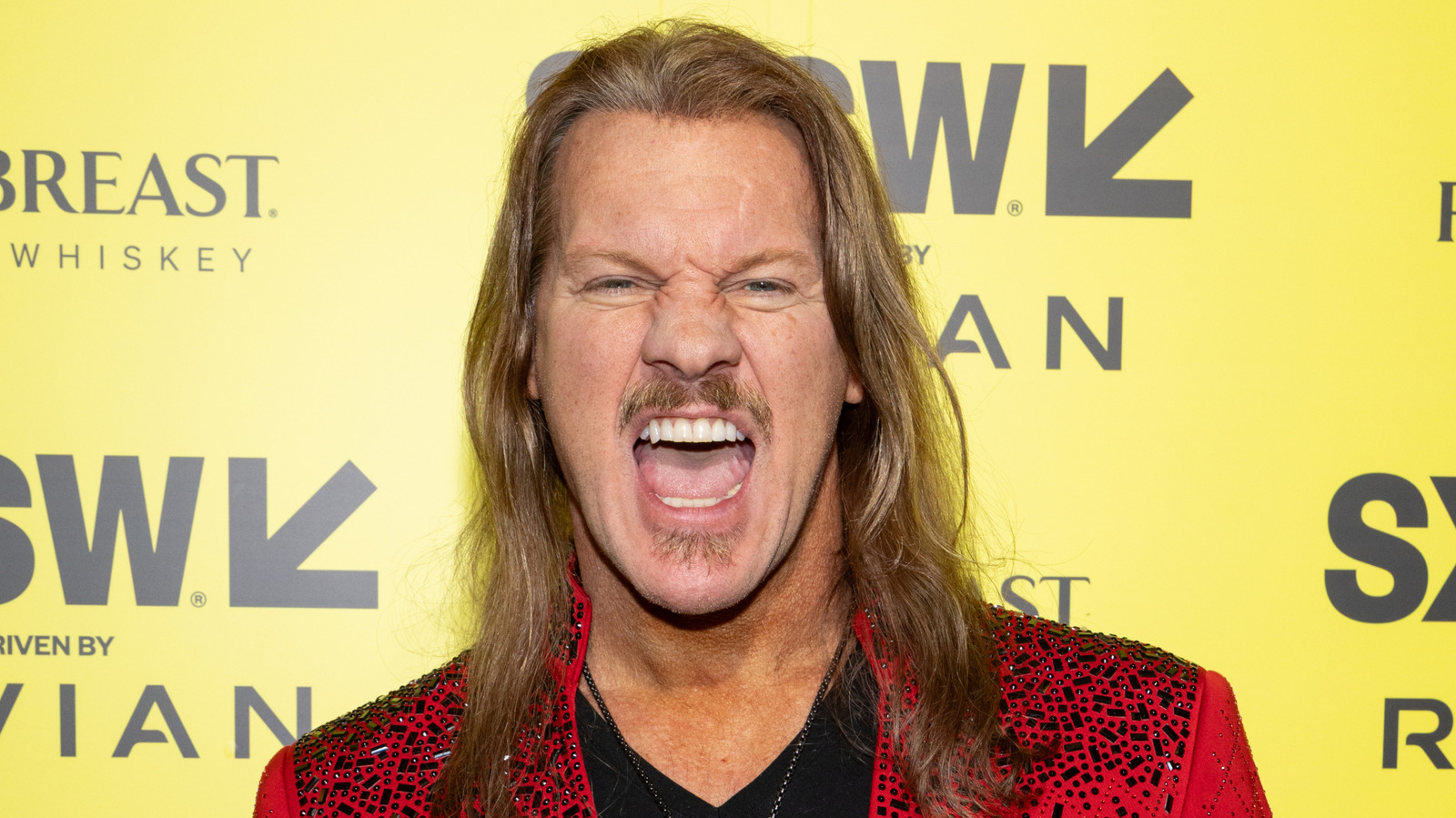
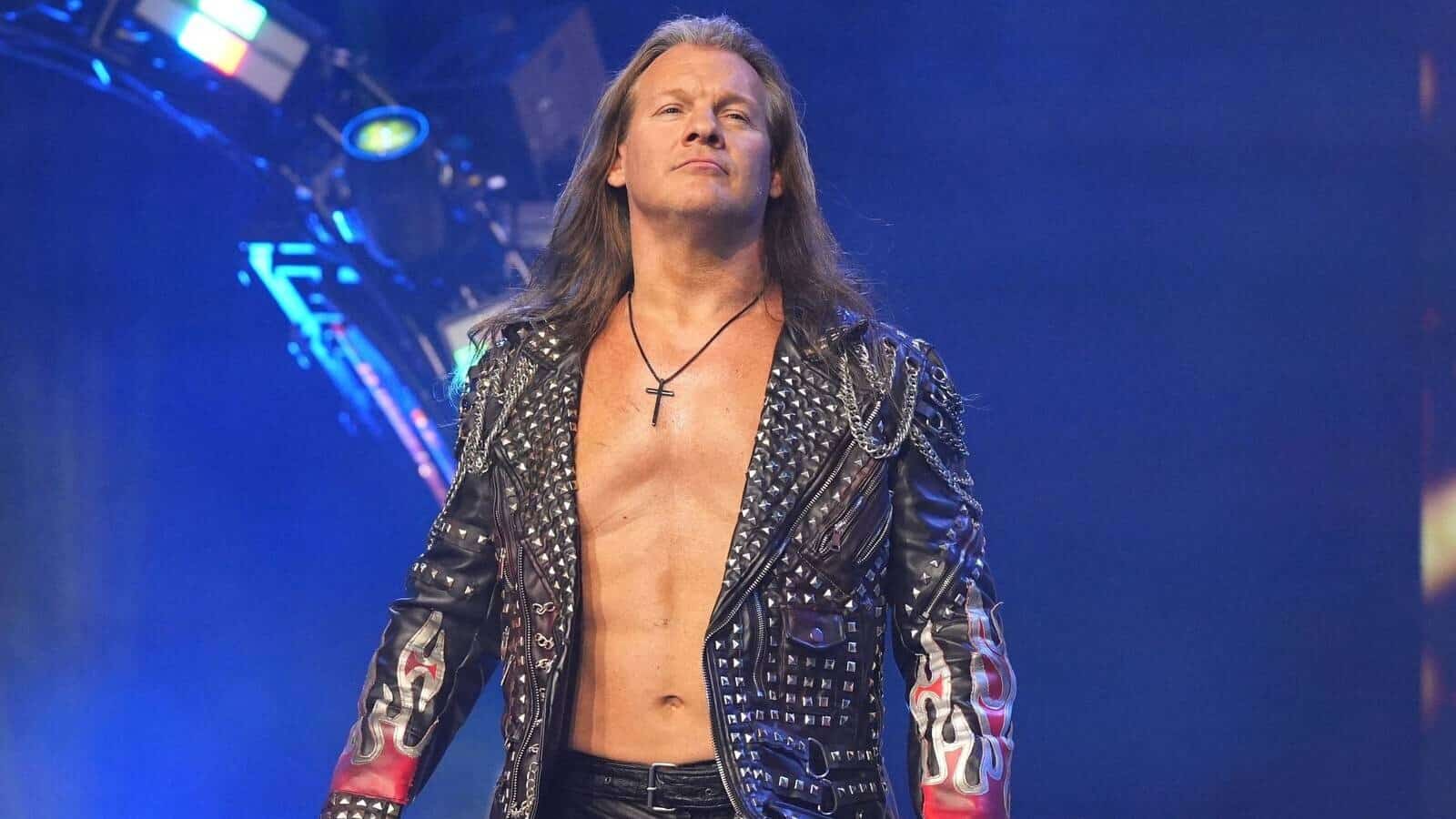
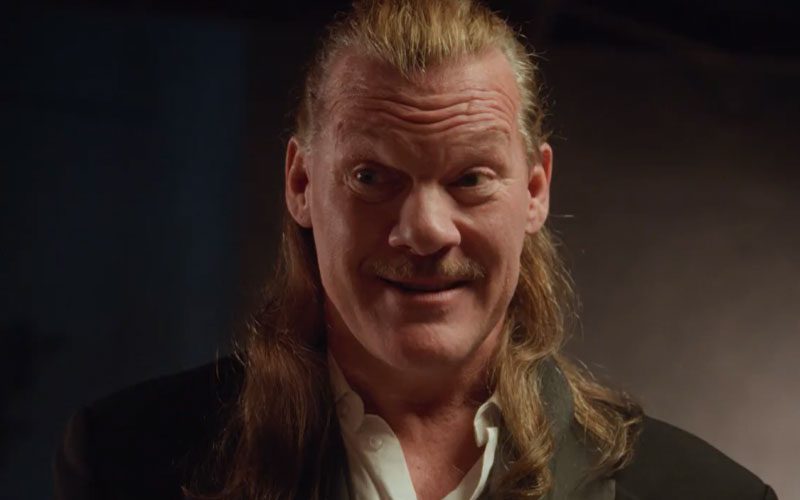
Let’s be clear: seeing Chris Jericho pop up as a disgruntled waiter in the Minnesota Vikings’ schedule release video was objectively funny. It was a well-produced bit of content, a nice little mainstream nod for a performer who has mastered the art of staying relevant for three decades. Jericho’s fandom is well-documented, and as wrestling fans online quickly noted, it was a crossover that made perfect sense for him as a brand. But that’s just it — it made sense for Chris Jericho’s brand. Did it do anything for All Elite Wrestling?
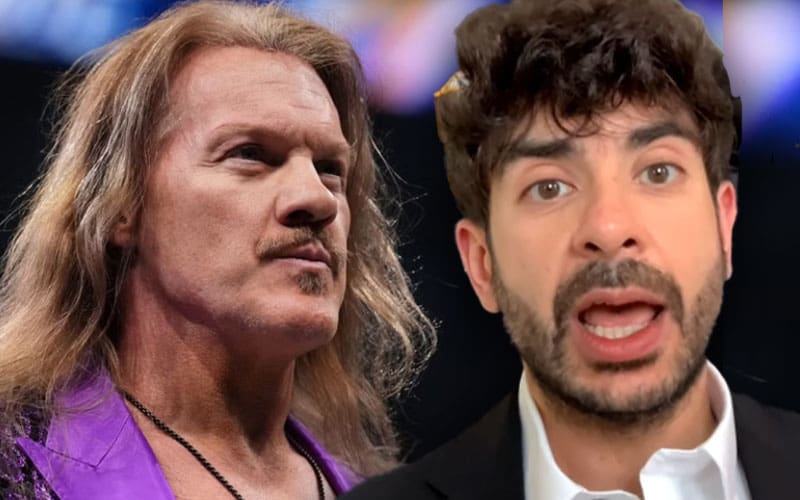
The logo was nowhere in sight. The AEW World Championship wasn't slung over his shoulder. He was just a famous guy, a celebrity cameo. And while it’s great for Jericho, it shines a harsh light on a fundamental, growing problem for Tony Khan’s promotion: AEW still hasn't decided if it's a wrestling company or just a loose federation of independent contractors who also work there. Right now, the latter seems to be winning out, and that's an unsustainable business model.
The Roster Is Full, And The Door Is Locked
While Jericho is getting gigs with the NFL, other veterans can’t even get a response from the front office. Take the recent comments from Chris Masters. Here is a guy with name recognition, a fantastic look, and years of television experience under his belt. He wasn't demanding a main event spot, just a conversation. What did he get? Nothing. Silence.
According to Masters himself, he reached out and was completely ghosted by the company. This isn't just unprofessional; it's a symptom of a much larger disease. It speaks to a front office that is either too overwhelmed by the sheer size of its roster to even manage inquiries, or one that has become bafflingly insular. With a roster already bursting at the seams, featuring dozens of wrestlers who can’t get weekly TV time, the idea of adding another body might seem illogical. But to not even reply? That’s just bad business.
This is the critical flaw in the AEW machine. The company was founded on the promise of being an alternative, a place with creative freedom where wrestlers could thrive. But that open-door policy has led to a locker room so crowded that potential assets are ignored, and current assets are getting lost in the shuffle. The bloated roster isn't a feature; it's a bug that slows down narrative momentum and prevents the majority of the talent from building a real connection with the audience.
When Stars Are Bigger Than The Show
Which brings us back to Jericho. His role as 'The Learning Tree' is a great veteran act, but his most discussed appearance in the last month had absolutely nothing to do with wrestling. It was a viral video for a football team. This is the double-edged sword of signing established stars who are also cross-platform brands. Jericho, Jon Moxley, Bryan Danielson — their identities were forged long before AEW existed. They don't *need* the AEW brand in the same way the AEW brand needs them.
Compare this to WWE's model. When a star appears in a movie or on a talk show, they are 'WWE Superstar' first. The branding is inescapable. It's a key part of the promotion machine. Jericho's appearance for the Vikings felt more like a personal project, a fun day at the office that was entirely disconnected from his primary employer. This decentralization of star power makes it incredibly difficult for AEW to build its own brand equity. It's still seen by many as 'that company where all those famous wrestlers went,' not as a destination in its own right.
The company also allows its talent to take independent bookings, as seen with a recently injured star making a surprise return at a World Series Wrestling show. While this keeps wrestlers sharp and happy, it further dilutes the brand. An AEW star's appearance should feel like a major event, not something you can also catch at your local indie fed. It creates a hierarchy problem where appearing on Dynamite or Collision doesn't feel like the pinnacle it should be.
The Prediction: A Purge Is Coming
This cannot last. The combination of a bloated roster, a non-existent talent relations strategy for newcomers, and a reliance on stars with their own powerful, separate brands is a ticking time bomb. The financial and narrative pressures are mounting. You can't run a coherent, compelling weekly television show when you have over 100 wrestlers under contract and only a few hours of airtime to share between them.
Here is the unavoidable conclusion: **AEW will conduct a significant roster purge before the end of 2026.** I'm not talking about a handful of releases. I'm talking about a deliberate, strategic cut of 20-30 wrestlers. It's a move that will be framed as a necessary recalibration, but it will be a clear admission that the 'sign everyone' strategy has failed. Alongside this, expect to see much stricter contracts for top-tier talent, limiting outside appearances and centralizing brand control under the AEW banner.
This isn't a criticism of the talent; it's a critique of the strategy. AEW has operated like a well-funded indie super-show for five years. To survive and truly compete in the long term, it has to mature into a disciplined, focused wrestling promotion. That means making hard choices, centralizing its brand, and accepting that not everyone can be 'All Elite.' The era of the open-door policy is over. The era of the bottom line is about to begin.