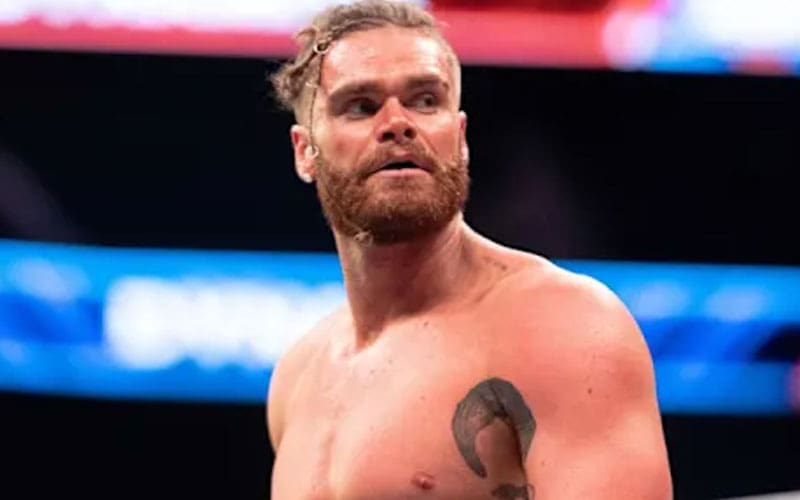
The long road back for Jake Doyle
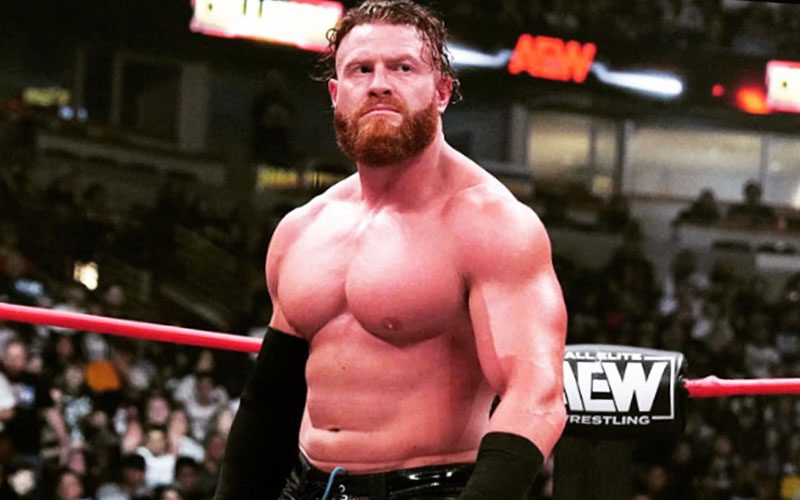
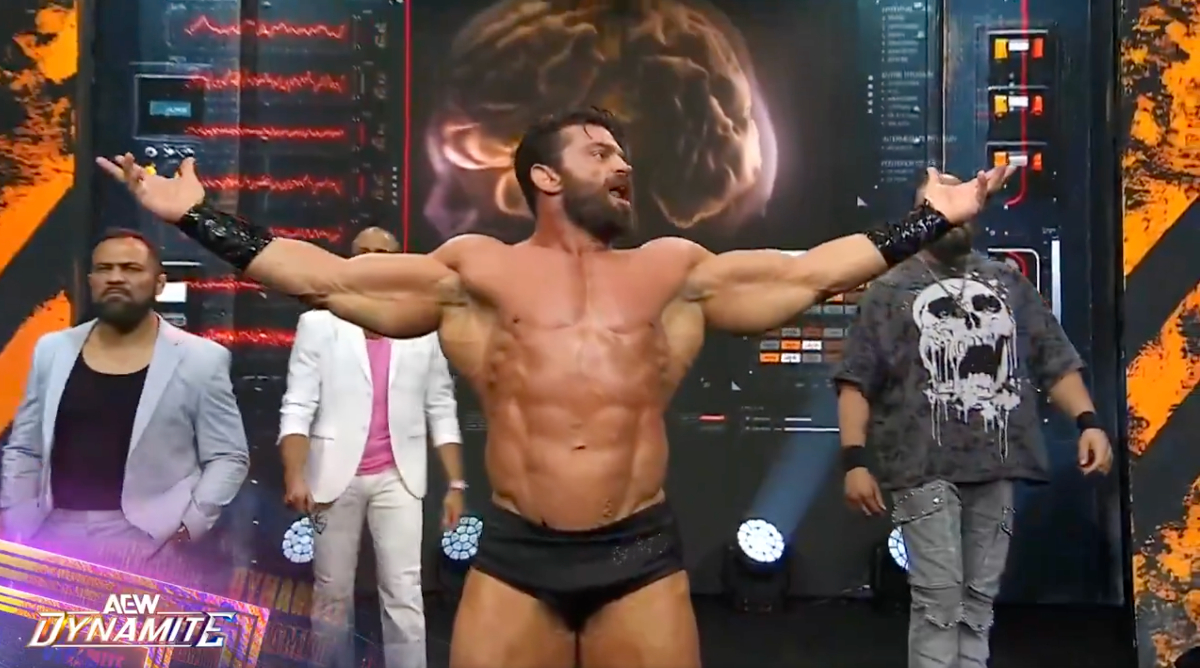
Jake Doyle returned to AEW television this week, marking the end of a multi-month absence stemming from a severe injury sustained earlier this year. His presence on the broadcast signals a vital infusion of talent into a roster that has felt disjointed throughout the spring season.
Doyle originally went down after a high-impact spot went sideways during a mid-card match. While the specifics of the physical trauma were initially kept private by the training staff, the layoff length speaks to the severity of the soft-tissue damage involved.
Evaluating the recovery timeline
Professional wrestlers rarely return to peak form immediately, and Doyle faces a stiff challenge in re-establishing his position. His comeback comes at a time when the promotion is sorting through a crowded creative queue. As reported by Ringside News, the return is officially locked in following months of supervised rehabilitation.
The standard recovery protocol for this type of injury typically involves a graduated return to the ring. Expect trainers to limit his load during the first thirty days. If he skips the mobility drills or tries to jump straight back into high-risk aerial spots, the risk of a recurring setback remains statistically elevated.
Industry ripples and booking constraints
Doyle’s return forces the booking team to address an immediate logjam. With other primary programs currently drawing focus, finding a meaningful spot for a returning veteran requires sacrifice. There is a real risk that he gets lost in the mid-card shuffle if the creative direction lacks a sharp focal point.
Competitors like WWE have historically managed similar returns by utilizing squash matches or low-stakes tag team bouts to gauge current conditioning levels. AEW would be wise to follow this blueprint. Throwing Doyle into a high-octane 25-minute main event tonight would be a reckless gamble with his long-term health.
The hidden cost of the layoff
The absence of a talent like Doyle creates a vacuum that rarely stays empty for long. In his time away, younger prospects filled the gaps, effectively moving the divisional needle in his absence. He no longer returns to the same environment he left.
The promotion must now balance his legacy status against the emergent push of the younger roster members. If the booking team prioritizes name recognition over the current product momentum, they risk alienating the fanbase that grew accustomed to the new lineup. History suggests that stalling the progress of rising stars to accommodate a returning veteran often leads to diminished pop and fan fatigue.
Recovery status and future outlook
Doyle’s return, while a net positive for roster depth, does not solve the underlying issue of injury prevention that has plagued the industry this year. The physical toll of the current, high-paced style is clearly visible in the increasing rotation of talent on the injured list.
Going forward, the focus should shift to load management. Doyle’s ability to stay upright for the next quarter is the real indicator of his success, not his return showcase match. If he can maintain a consistent schedule without a relapse, we will know the medical staff finally dialed in the proper rehabilitation intensity.
Ultimately, the match quality of his initial return bout will tell us everything. If he shows even a hint of hesitation during his base spots or struggles to transition into his secondary maneuvers, it will be clear that there is still significant work ahead. For now, the roster has its man back, but the burden of proof is entirely on his shoulders.