The physical toll of the road
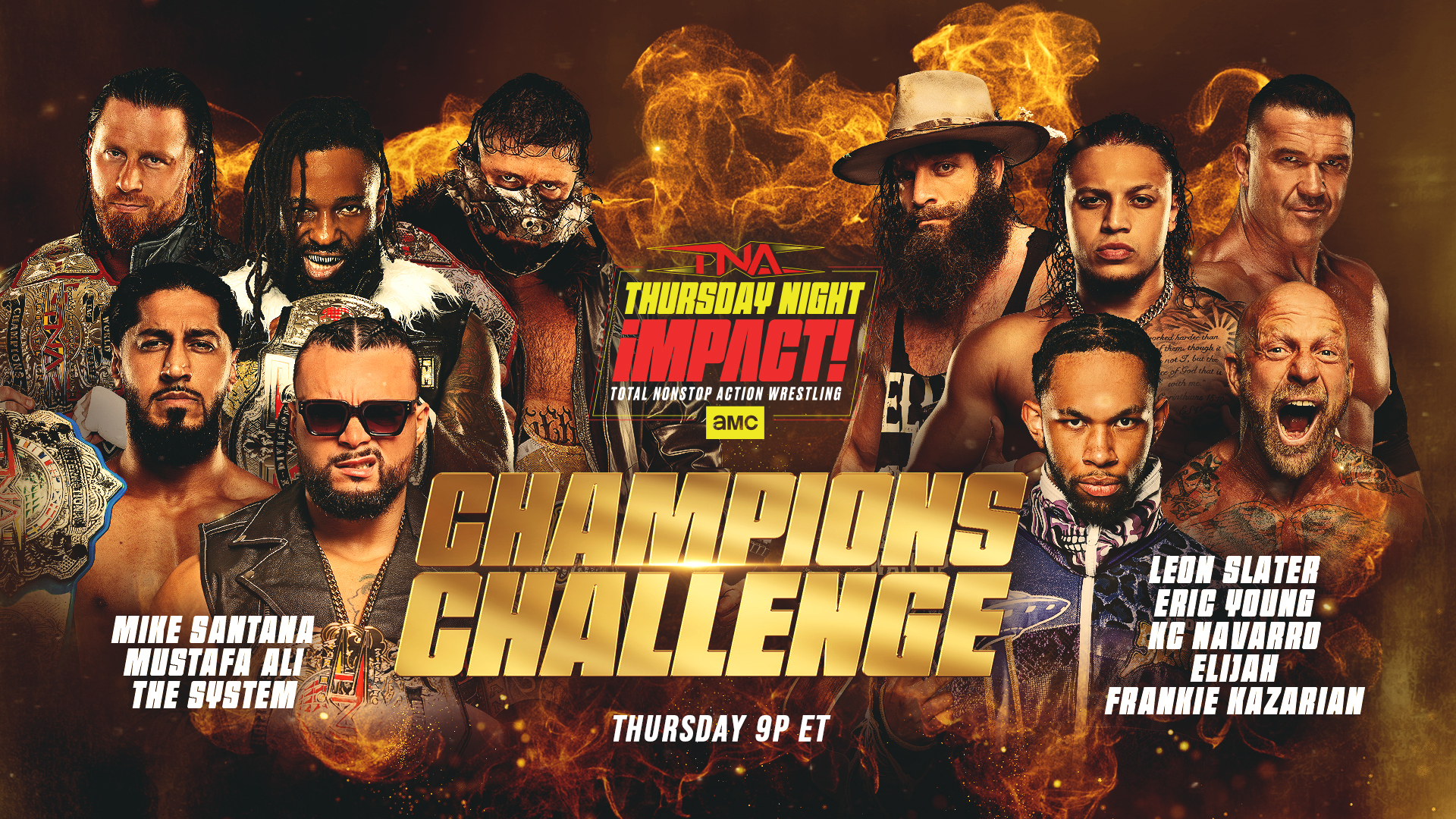
TNA heads to the Sacramento Memorial Auditorium tonight with more questions than answers. The promotion is currently juggling a roster thinned by physical attrition, forcing creative to rework top-tier programs on the fly. As reported by PWTorch, the logistics for the May 28 show have shifted to account for absences that were not in the booking plans just a fortnight ago.
Injuries remain the quiet killer of momentum in professional wrestling. When main event talent is sidelined, the ripple effect reaches the undercard and, eventually, the metrics. This creates a difficult cycle for a brand trying to maintain stability on a new network carriage.
Metrics versus the casualty list
The timing could be better. The company is coming off a week where ratings dropped slightly, a development that rarely correlates with roster stability. When a show dips, the instinct is to push harder, but that often leads to rushed returns and further health issues for the performers.
Historical precedents show that mid-sized promotions often struggle to fill the void left by headliners. History suggests that rushing an injured performer back to boost a stagnant quarterly rating is a flawed strategy. Overextending the roster has been a recurring issue since the mid-2010s, yet the temptation to fill those 1,637 seats remains high.
Strategic implications and talent management
Sacramento is a test market for the current TNA iteration. WrestleTix data via PWTorch confirms that 1,575 tickets were moved, leaving the arena nearly at the current setup capacity. The reliance on legacy ticket sales highlights why keeping headline talent healthy is not just a medical issue — it is a balance sheet issue.
The current injury situation forces a critical look at the booking philosophy. If the creative direction relies on a small circle of talent to carry the weekly load, minor strains turn into major surgeries. We have seen this cycle play out repeatedly in the industry, and it rarely ends with a leaner, healthier roster.
Booking mistakes and the road ahead
One glaring error currently is the over-reliance on frequent, high-impact encounters for the upper-midcard. While fan engagement is high during the broadcast, the physical cost of doing a heavy spot-fest every Thursday is unsustainable. The lack of rotation in the main matches has undeniably contributed to the current depleted state of the locker room.
TNA management needs to prioritize depth over spectacle in the coming weeks. If the trend of recurring injuries continues, the brand will struggle to differentiate itself in an increasingly crowded summer schedule. The May 21 episode revealed a slight ratings stagnation that mirrors the limitations of a limited talent pool. Simply put, they cannot afford another major injury right now.
Moving forward, the focus must shift to preservation. The industry has reached a point where the speed of content production currently outpaces the biological recovery of the performers. TNA has the visibility, but without a healthy headliner, the momentum of the last few months could evaporate by the time the summer schedule hits its stride. Tonight in Sacramento will indicate if they have successfully pivotd their strategy or if they are simply running on fumes.