The end of the experiment
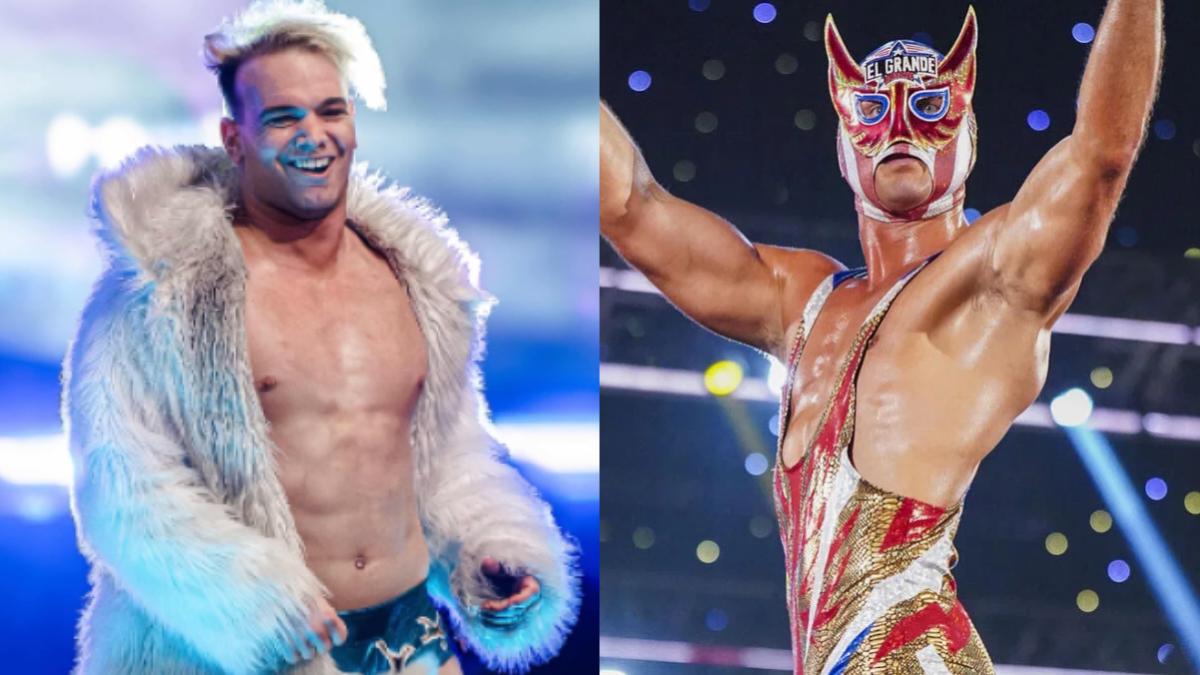
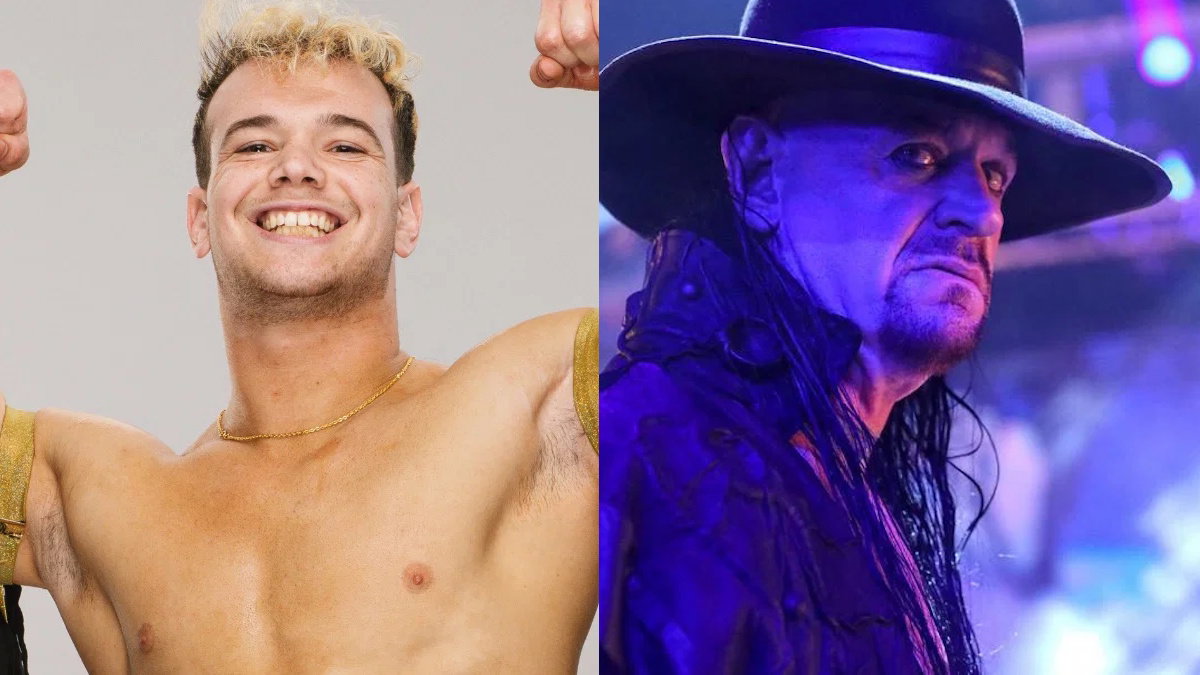
The report dropped this morning via WrestleTalk. Jack Cartwheel, one of the inaugural names attached to the WWE ID program, has confirmed his departure from the system. He is no longer working under an Independent Development contract.
Instead, Cartwheel has inked a full-time deal with the AAA brand. The move represents a significant shift for both the wrestler and the developmental pipeline he leaves behind.
"Jack Cartwheel has announced he is no longer under a WWE ID deal and is instead signed full-time to the AAA brand."
When WWE first rolled out the ID tier, it was pitched as a revolutionary way to capture elite independent talent without immediately relocating them to Orlando. Cartwheel was the perfect test case. He had viral fame. He had a unique gimmick. He had undeniable athletic ability.
Now, less than two years into the experiment, he has walked away.
We need to look at what the WWE ID program actually is in 2026. It operates as a waiting room. It provides a financial stipend, access to world-class medical facilities, and the prestige of the WWE logo. But it does not guarantee television time.
For a wrestler like Cartwheel, who built his entire reputation on working dozens of chaotic independent shows a year, the ID deal clearly became restrictive.
The indie bottleneck
Under the ID banner, wrestlers are often shielded from taking clean losses on the regional circuit. Promoters get frustrated. Booking becomes a political headache. Cartwheel found himself in a strange middle ground.
He was too closely tied to WWE to operate as a pure indie mercenary, but not fully integrated enough to get consistent reps on NXT Level Up. The holding pattern broke his patience.
Before signing his ID deal, Cartwheel was a staple of the Game Changer Wrestling circuit. His matches against Blake Christian and Nick Wayne were internet sensations. He routinely went viral for hitting variations of the Sasuke Special that defied standard physics.
But viral clips do not translate to television ratings. In WWE, you need a character. Cartwheel never developed one. He remained simply the guy who does cartwheels. That works for a five-minute indie sprint. It completely fails in a long-term television storyline.
He wanted to work. AAA offered him a full-time schedule.
The Mexican fit
Moving to Mexico makes sense on paper. Lucha Libre AAA Worldwide operates on a frequency that perfectly matches Cartwheel's in-ring pacing. His entire offensive arsenal is based on continuous motion. He chains together cartwheels into back handsprings, culminating in a corkscrew moonsault to the floor.
In an American television environment, producers demand pauses. They want wrestlers to milk a reaction, locate the hard camera, and breathe. AAA does not ask for pauses. They book chaotic six-man tags where the action never stops.
Cartwheel can walk into the AAA midcard tomorrow and deliver a highly rated performance without changing a single thing about his routine. He fits perfectly into the lineage of American high-flyers who found a home in Mexico.
The "WWE AAA" rumour
We must address the specific phrasing in the initial WrestleTalk report. The article explicitly noted he signed full-time to "WWE AAA." This immediately set off alarm bells across the industry.
Does WWE have a backdoor working agreement with AAA? It is not impossible. WWE has aggressively expanded its international partnerships over the last three years. The idea of WWE parking a raw prospect in Mexico for a year to learn the lucha style under a joint banner is a fascinating concept.
However, Cartwheel's own statement contradicts this theory. He made it clear he is no longer on an ID deal. The most logical explanation is that the WrestleTalk phrasing was a slight clerical error, blending his departure from WWE with his arrival in AAA.
The core truth remains. He severed ties with Stamford. He took a full-time contract elsewhere. He is betting on himself in a completely different market.
The critical flaw in the move
This brings us to the actual wrestling product. This is where the move deserves heavy criticism. Jack Cartwheel is making a mistake. He is choosing the path of least resistance. His biggest flaw as a performer has always been his ring psychology.
He is an incredible gymnast, but a highly flawed professional wrestler. His matches frequently break down into isolated sequence exhibitions. He doesn't know how to structure a standard singles bout without relying on contrived setups.
The WWE Performance Center would have fixed this. The trainers in Orlando are ruthless about stamping out terrible indie habits. They would have grounded him. They would have forced him to learn a basic side headlock. They would have taught him how to sell a targeted body part.
By going to AAA, Cartwheel is ensuring he never has to learn those fundamental lessons. He gets to keep doing his tumbling routines. It will pop the crowds in Monterrey, but it severely limits his ceiling as a main attraction.
He is trading long-term foundational growth for immediate creative comfort. AAA will ask him to hit a top-rope shooting star press into the third row and move on to the next spot. He will not improve as a storyteller.
The AEW factor
It is also worth noting who did not sign him. Before WWE rolled out the ID program, Jack Cartwheel was making semi-regular appearances on Ring of Honor and AEW Dark broadcasts. Tony Khan had a clear look at him. AEW passed on offering him a full-time contract.
AEW already has a bloated roster of high-flyers. They have Action Andretti. They have Top Flight. They have Komander. Cartwheel would have been entirely redundant in the current AEW locker room. Tony Khan is actively trying to trim his roster ahead of the Double or Nothing pay-per-view this weekend, not add another spot-heavy indie darling.
WWE took a flyer on him because the ID deal carries minimal financial risk. When that ran its course, AAA became the only major promotion willing to offer a full-time guarantee. This speaks volumes about how the major American televised companies currently view his ceiling.
He is fantastic for a highlight reel. He is not currently viewed as a television rating draw. AAA will use him exactly for what he is. A reliable stuntman who can open a show and wake up a quiet crowd.
Financials and industry fallout
Financially, a full-time AAA contract provides baseline stability. Independent wrestling in 2026 is top-heavy. If you are not in the main event picture of GCW or picking up consistent international bookings, the travel expenses eat away at your profit margins.
AAA offers guaranteed dates. They run a grueling schedule, but the checks clear. Base contracts in AAA for mid-tier foreign talent hover around $45,000 annually, supplemented by merchandise and outside bookings.
Furthermore, this sets a dangerous precedent for the WWE ID program. Cartwheel is the first major name to voluntarily exit the system for a rival full-time offer. If AAA can poach an ID talent, what stops New Japan or AEW from doing the exact same thing?
WWE pitched the ID tier as an ironclad way to lock down the future of the industry. Cartwheel just proved the lock is easily broken. If you keep talent in a waiting room too long, they will eventually find the exit. The novelty of the WWE logo on an indie poster wears off when the wrestler realizes they aren't getting closer to the main roster.
Probability Assessment
The deal is done. The wrestler has announced it publicly, and the reporting corroborates the shift. There is zero ambiguity regarding his departure from the WWE system. The only minor question mark revolves around the exact length of the AAA contract.
The "full-time" designation usually indicates at least a one-year commitment in the Mexican market. He is entirely out of the American regional scramble for the foreseeable future.
Expected Impact
Look for Cartwheel to be immediately inserted into AAA's cruiserweight division. He will likely debut in a multi-man scramble match at an upcoming television taping. This format is heavily designed to showcase his raw athleticism without exposing his lack of traditional lucha libre sequencing.
Long-term, he will serve as a highly reliable midcard attraction for AAA. However, his departure from WWE ensures we will not see him on American national television anytime soon.