A Stealth Debut in South Texas
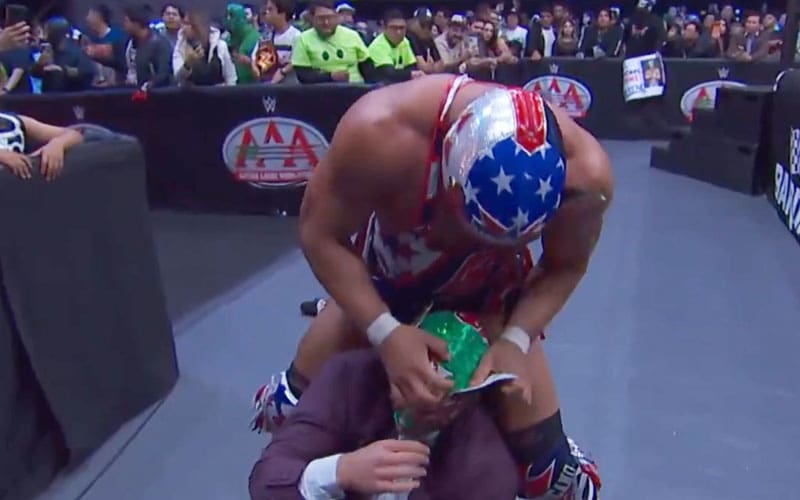
The Monday Night Raw taping in Laredo, Texas, was always going to be a celebration of local culture, but the real news happened before the cameras started rolling for the Netflix broadcast. While the marquee focused on Roman Reigns answering Jacob Fatu, the Main Event tapings saw AAA World Cruiserweight Champion Laredo Kid step into a WWE ring against NXT's Josh Briggs. This wasn't just a local talent payoff; it looks like the first step in a strategic acquisition that has been bubbling under the surface for months.
Laredo Kid is not some green rookie looking for a break. He is a twenty-year veteran and a cornerstone of the Lucha Libre AAA Worldwide roster. Seeing him work a WWE Main Event match in his namesake city is the classic scouting protocol the company uses when they are ready to pull the trigger on a contract. Historically, these matches serve as a final check on how a talent handles the WWE camera angles and the specific pacing required for their television product.
The timing is suspicious for anyone following the broader roster moves. With Sol Ruca officially signing with Raw next week and Joe Hendry finally making his full-brand debut this past Monday, the floodgates for outside talent are wide open. WWE is aggressively hoarding established names to bolster their depth for the Netflix era, and a high-flyer of Laredo's caliber fits the mold of a plug-and-play veteran who doesn't need six months in the Performance Center.
The Strategic Fit for the Netflix Era
Why now? The move to Netflix has changed the math on what makes a wrestler valuable to the main roster. Content volume is the new priority. Laredo Kid brings an international pedigree that appeals to the massive Mexican market, a demographic WWE has been desperate to solidify since Rey Mysterio began his gradual transition toward a legacy role. Laredo's style is built on high-risk geometry; he is known for a Phoenix Splash that remains one of the cleanest in the industry, even as he enters the later stages of his career.
There is also the matter of the Speed Championship. The short-form matches produced for social media and streaming require wrestlers who can condense a narrative into three minutes of high-octane offense. Laredo Kid is a specialist in this format. His work in AAA and on the American independent circuit has always prioritized quick-twitch transitions and explosive finishes. Putting him in a ring with someone like Josh Briggs, who stands nearly a foot taller, was a deliberate test of his ability to work the David vs. Goliath dynamic that WWE loves to package for its mid-card.
However, the skepticism remains. WWE has a long, documented history of signing world-class luchadores only to strip away their agency and stick them in a generic Lucha House Party-style faction. For every Rey Mysterio, there are five Kalistos or Sin Caras who never quite translated their mask-selling potential into meaningful storylines. Laredo Kid is 39 years old. This is likely his final shot at the big time, and if he isn't fast-tracked into a program with the likes of Santos Escobar or Dragon Lee, he risks becoming expensive window dressing for the C-shows.
The Hendry and Ruca Precedent
We have to look at how Joe Hendry was handled this week. Hendry's debut concert on Raw, which saw him cross paths with The Vision and The Street Profits, proves that the company is willing to let outside stars keep the core of what made them famous. If Laredo Kid signs, the question is whether he keeps the AAA Cruiserweight identity or gets rebranded into something more corporate. The company's recent track record with Sol Ruca suggests they are leaning into individual athleticism over generic tropes, which bodes well for a guy who can hit a 450 splash with his eyes closed.
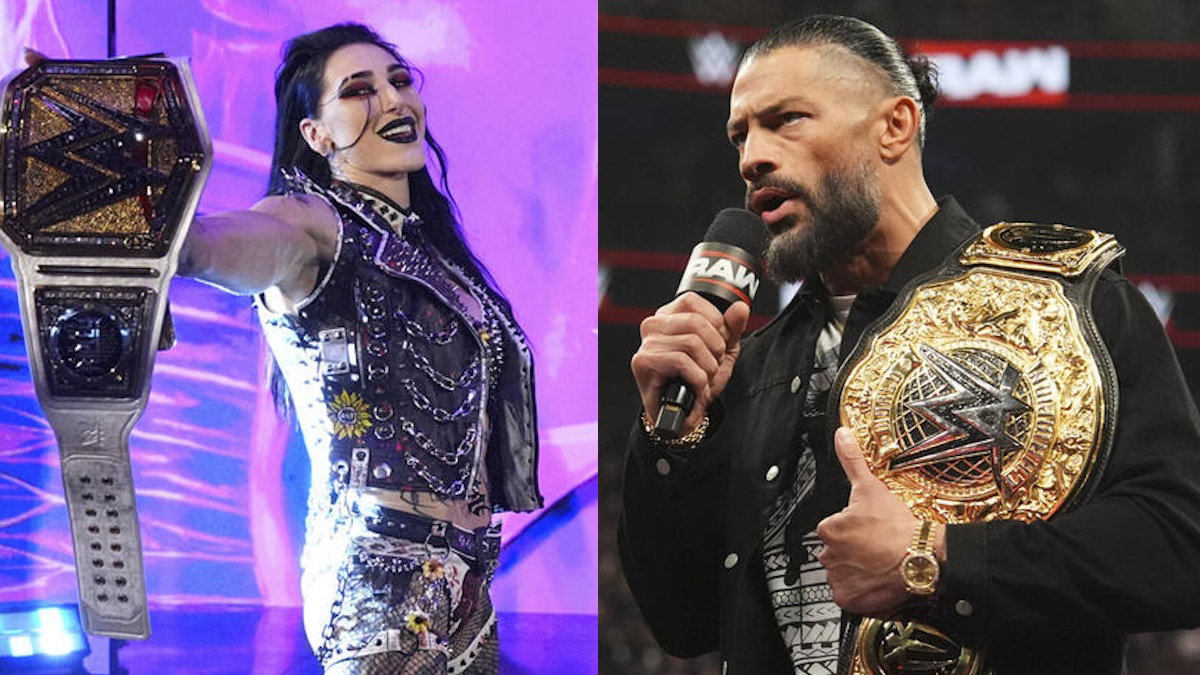
The roster is currently top-heavy. With Roman Reigns officially moved to Raw to deal with the Bloodline fallout and Rhea Ripley heading to SmackDown, the mid-card needs workhorses. Seth Rollins is busy with Bron Breakker for Backlash, leaving a vacuum in the Intercontinental title picture. Laredo Kid vs. a powerhouse like Gunther or even a clash with Bron Breakker would provide the kind of stylistic contrast that keeps a three-hour show from dragging. It is about utility, and Laredo Kid has been a utility ace for two decades.
Probability Assessment
This deal feels like it is already in the 'paperwork' phase. You don't bring the AAA Cruiserweight Champion onto your secondary show in his hometown just to be a nice guy. The probability of Laredo Kid signing a full-time deal is 75 percent. The only hurdle is his existing commitments to AAA and whether WWE is willing to allow a multi-promotional arrangement similar to what we have seen with TNA talent recently. Given that Joe Hendry is now appearing on all three brands, the old walls are clearly down.
We should expect an official announcement within the next two weeks, likely following the Backlash premium live event on May 9. If he doesn't show up in the Sol Ruca signing class next Monday, look for him to be a surprise entrant or a post-event debut to kick off the summer season. The match against Briggs was the final audition; if the feedback from Michael Cole and Corey Graves on the headset was positive, the contract is as good as signed.
The Expected Impact
If the deal goes through, Laredo Kid immediately becomes the most polished flyer on the Raw roster. His presence allows WWE to build a legitimate cruiserweight-style division without having to revive the cursed 205 Live branding. He provides a veteran foil for the younger NXT call-ups who are still learning how to structure a match for a global audience. More importantly, he gives the Laredo and South Texas fans a reason to stay invested in the product as it moves away from traditional cable.
The downside? If he is used as a one-and-done jobber for Josh Briggs, it will be a massive waste of a global asset. But the current creative direction under Triple H has been more respectful of international titles and legacies. Bringing in the AAA champion suggests a level of prestige that hasn't been afforded to masked wrestlers in a long time. It is a calculated gamble on a veteran who can still go at a 90 mile per hour pace, and in the high-stakes environment of the Netflix transition, experience is the most valuable currency the company can buy.