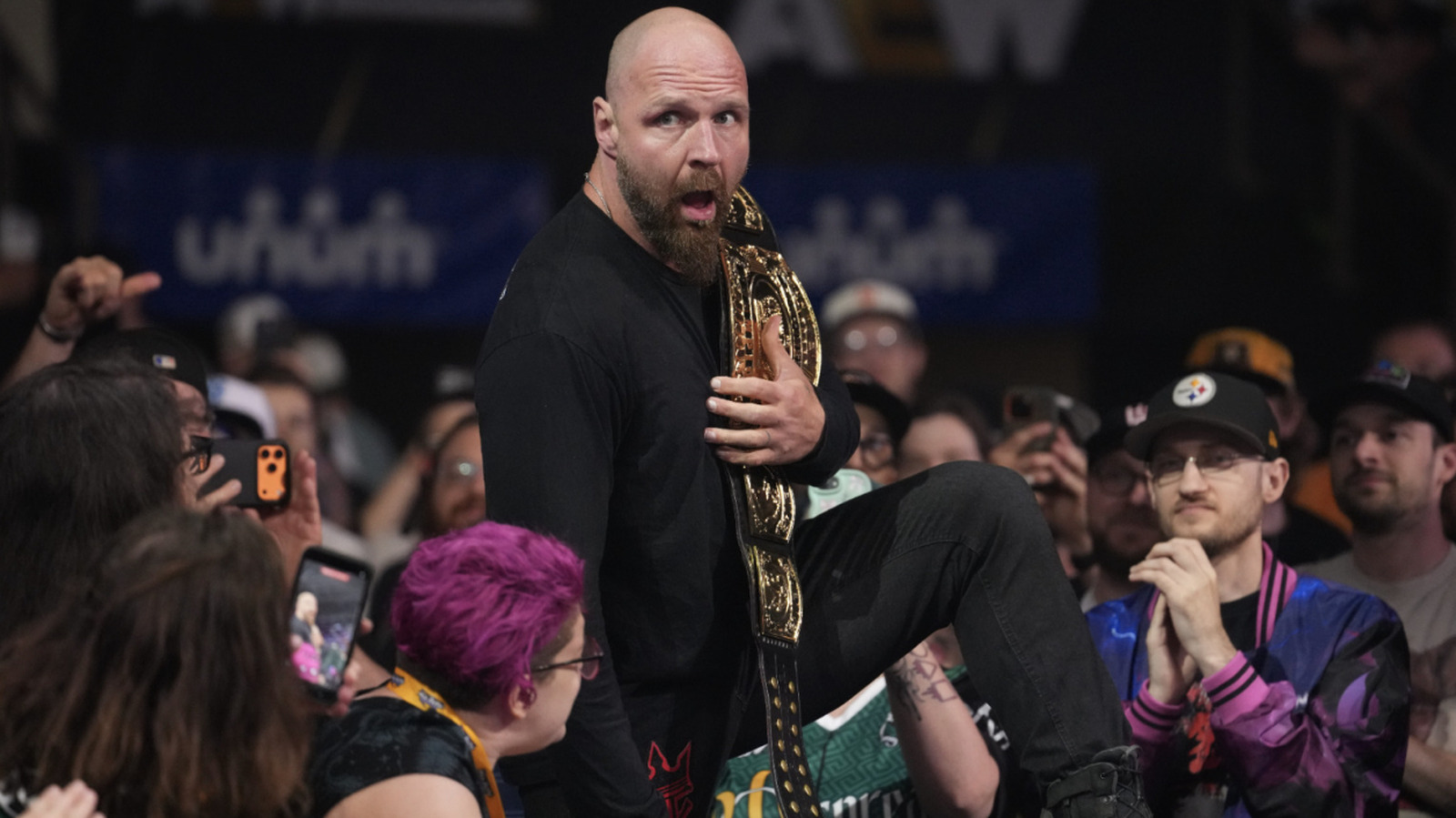
The magnetic pull of the Switchblades reunion
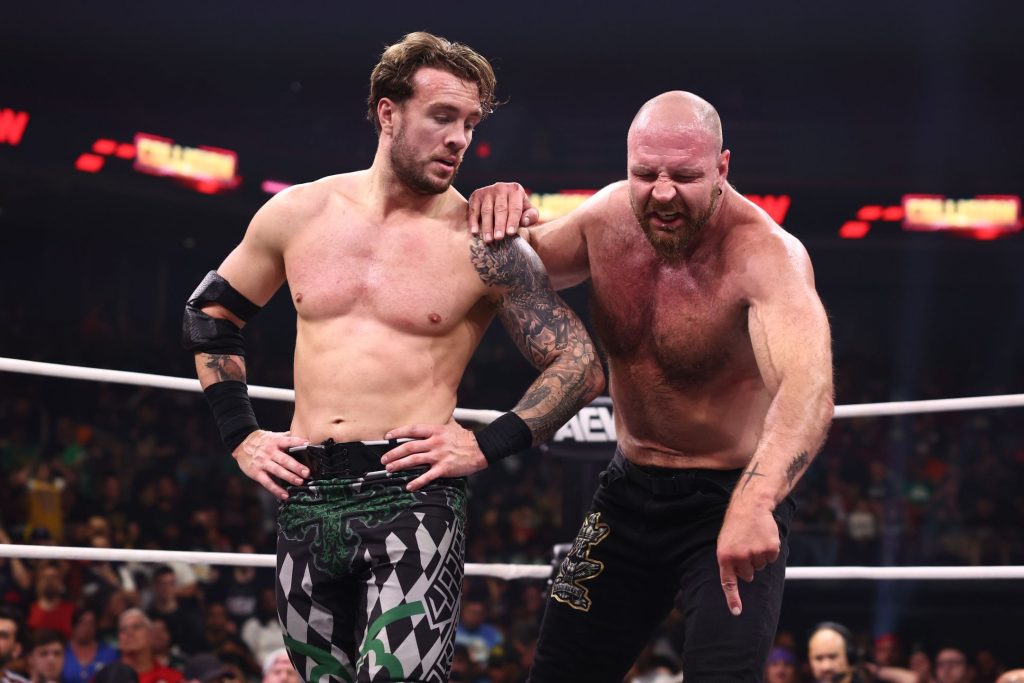
Professional wrestling thrives on the intersection of genuine history and modern convenience. The recent buzz regarding the Switchblades reunion serves as a reminder of how much this industry leans on deep-seated character beats. Having Jon Moxley, Sami Callihan, and Joe Gacy in a single building after 15 years acts as a siren call for those who value long-form storytelling over sanitized corporate branding.
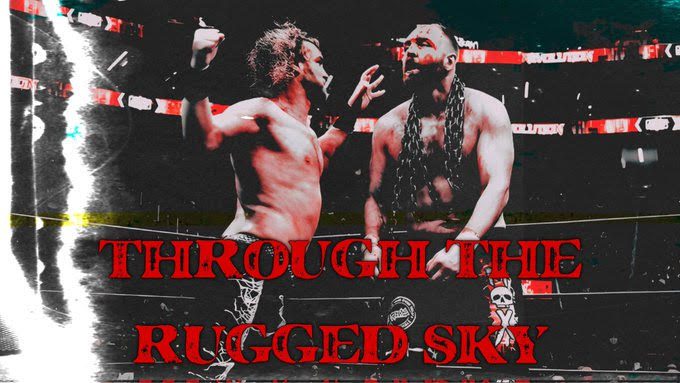
This isn't just about nostalgia. It represents a stylistic bridge between the frantic, basement-indie energy of the mid-2000s and the current, high-production era of AEW and TNA. Viewing this through the lens of recent history, specifically the visceral warfare seen at Revolution 2023 against Hangman Adam Page, shows why Moxley remains the fulcrum of his respective company.
The evolution of Moxley’s in-ring utility
Moxley has spent years refining a style that prioritizes grit over gymnastic proficiency. His matches often function as a slow-burn attrition test rather than a pre-choreographed sprint. While critics occasionally point to his over-reliance on standard spots like the suicide dive, the technical application during the Revolution encounter demonstrated a level of psychological tethering that few modern performers possess.
We are seeing a trend where veterans help newer roster members define their ceiling. The recent revelation from Skye Blue regarding her history with Moxley speaks to a wider shift: the industry is becoming a small, self-contained orbit. When younger talent views a veteran not as a static figurehead but as a foundational benchmark, the quality of the product invariably rises.
The structural flaws in modern booking
Yet, for all the talk of reunions and historical significance, there is a consistent trap in how these matches are presented. Promotions frequently confuse 'intensity' with 'excess.' The constant push to replicate the 30-minute epic often leads to diminishing returns, where the final act loses its impact because the preceding 15 minutes lacked specific narrative progression.
Compare the pacing of a classic mid-card sprint to the bloated runtimes seen in recent pay-per-views. When every performer is given 20 minutes to reach their climax, the audience loses the ability to distinguish between a routine television match and a career-defining moment. The sport requires silence and spacing just as much as it requires high-impact maneuvers.
A look ahead to the next cycle
As we approach the summer schedule, the pressure on the creative teams increases. The potential of a Switchblades reunion is the kind of organic sub-plot that can anchor a show without needing expensive production gimmicks. It forces the viewer to pay attention to the subtext of a partnership that ended when these men were essentially children in the business.
Looking at the match layouts from the last quarter, it is evident that effective pacing is the difference between a satisfied crowd and one checking their phones by the 15th minute. My prediction for the upcoming cycle? Expect a return to shorter, more brutal bursts of violence. The companies that realize 12 minutes of focused, limb-targeting wrestling is superior to an aimless 25-minute draw will be the ones that walk away with the lion's share of critical acclaim this year.
Read Next
- AEW Double or Nothing is a crossroads for the promotion
- Thekla proves the doubters wrong at Double or Nothing
- AEW Double or Nothing faces a major loyalty test in Las Vegas
- Where is Malakai Black signing next after his shock WWE release?
- ⚡ AEW Dynasty 2026 — Full Coverage Hub
- 🎲 AEW Double or Nothing 2026 — Full Coverage Hub