The allegations against Patrick Hutchinson
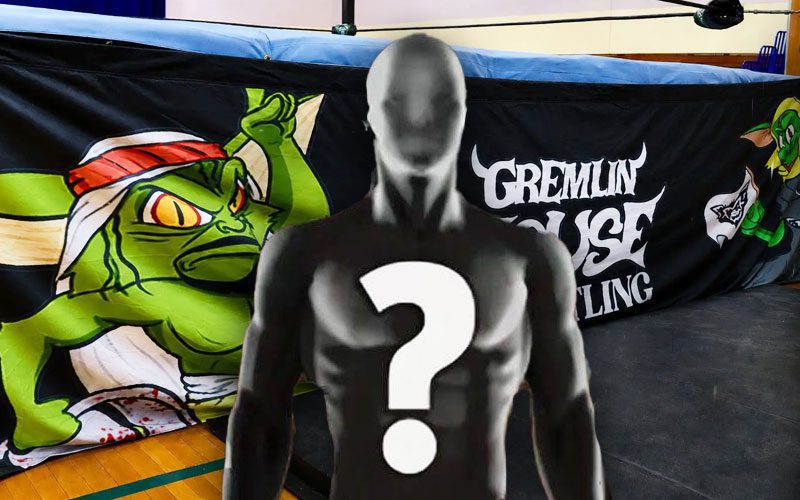
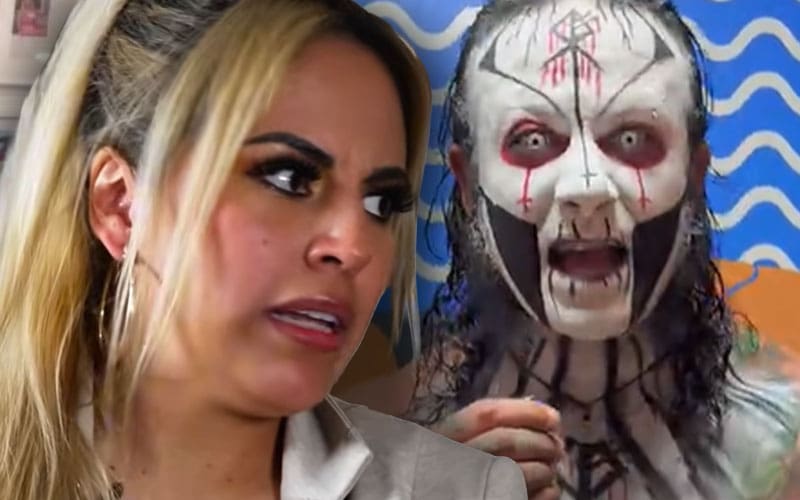
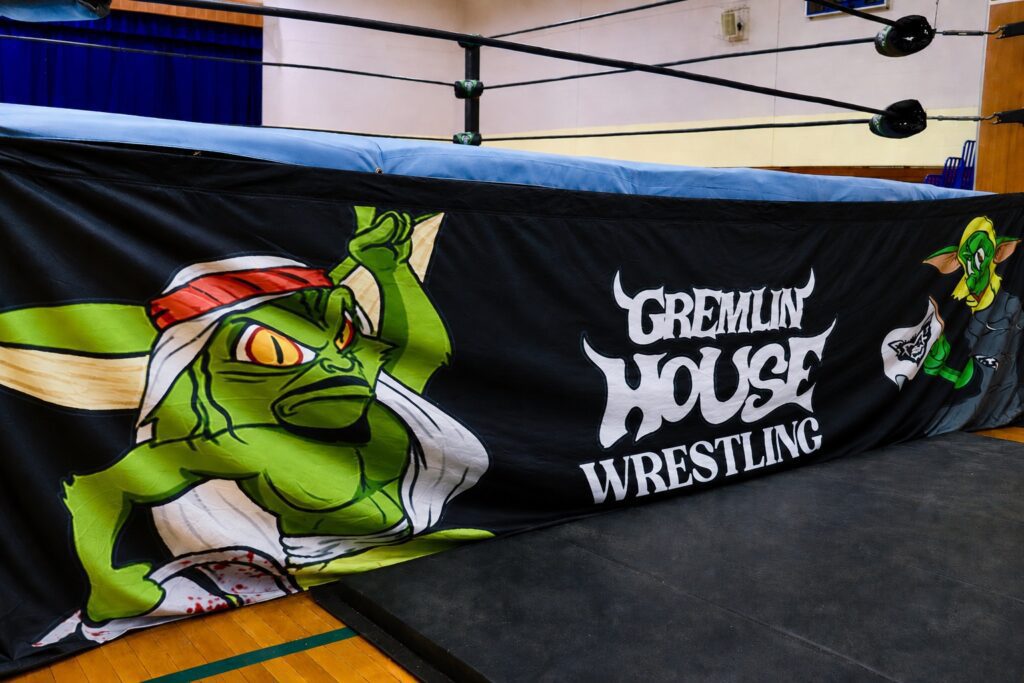
The independent wrestling circuit operates entirely in the shadows. Yesterday, another dark corner was violently exposed. Patrick Hutchinson, the promoter behind Gremlin House Wrestling known to talent and fans simply as "YaYa," is now facing severe allegations.
A woman identified as Melissa posted a detailed, disturbing statement to her Instagram Stories. As reported by BodySlam.net, she explicitly accused Hutchinson of harassment, intimidation, manipulation, and repeated unwanted contact. The accusations are direct and unsurprising to anyone paying attention.
We have seen this exact pattern play out time and time again. A local promoter builds a tiny fiefdom. They control the rented ring, the match bookings, and the meager payouts.
That absolute control translates directly into unchecked power over vulnerable people. Melissa’s choice of platform is incredibly telling. Instagram Stories currently serve as the only viable human resources department in independent wrestling.
There is no HR hotline for a trainee to call. There is no corporate oversight board. There is only the public square, where victims are forced to litigate their trauma in front of an audience of strangers.
The mechanics of manipulation
Understanding these allegations requires a hard look at how independent wrestling actually functions mechanically. The barrier to entry for a promoter is dangerously low. You rent a local armory. You hire a ring truck.
You print a stack of cheap flyers. Suddenly, you are the boss. Young talent, absolutely desperate for in-ring experience and tape to send to major companies, flock to these shows.
They will gladly drive hundreds of miles for gas money and a hot dog. That desperation is a known, measurable variable. Predatory promoters weaponize that exact desperation.
The allegations of manipulation and intimidation against Hutchinson fit a known historical profile that we saw explode during 2020. In this business, promoters routinely blur the lines between professional and personal relationships. They demand absolute, unwavering loyalty.
They aggressively frame their locker rooms as a "family." When a promoter demands a family dynamic, they are actively stripping away normal professional boundaries. It makes unwanted contact significantly easier to execute and much harder to report.
You aren't reporting a boss; you are betraying a family member. Intimidation acts as the silent enforcement mechanism. If you speak up, you lose your spot on the card.
You get blackballed in the local scene. The promoter talks to other regional promoters. They label you as difficult to work with. For a young wrestler trying to build a resume for a WWE tryout, that label is a career death sentence.
Melissa’s allegations highlight exactly how this grim power dynamic operates behind the curtain, away from the cheers of the crowd. Trainees are particularly vulnerable to this dynamic. They are paying the promoter to learn the craft.
This adds a financial dependency to an already skewed relationship. A promoter can easily dangle the promise of a dark match or a spot on the undercard to extract compliance. When the person teaching you how to safely take a back bump is also the person sending you inappropriate messages, the cognitive dissonance is overwhelming.
You trust this person with your physical safety in the ring. Rejecting their advances feels like risking your physical safety, your financial investment, and your career all at once.
The total failure of the current model
The entire structure of independent wrestling is inherently designed to protect people in power. The speaking out movement swept through the industry several years ago, forcing dozens of abusers out of the scene. But the fundamental, structural flaws remained completely untouched.
We removed the worst actors but left the stage exactly as it was. Any individual with a few thousand dollars can still rent a ring and declare themselves a promoter tomorrow morning. There is no central governing body.
There is no state athletic commission that issues licenses to wrestling promoters based on background checks or ethical standards. Patrick Hutchinson answers to absolutely no one. If he wants to run a Gremlin House Wrestling show next weekend, the only thing stopping him is the local ticket-buying public.
This total lack of oversight is a feature for those who wish to operate without consequence. This reality puts the heavy burden of enforcement entirely on the victims and the talent. When a victim like Melissa comes forward, they are taking an immense personal and emotional risk.
They face immediate, vicious backlash from loyalists and skeptics online. The wrestling community often demands an absurd, impossible burden of proof for allegations of harassment. They completely ignore the grim reality that manipulative behavior is explicitly designed to leave no paper trail.
The immediate fallout for Gremlin House
Gremlin House Wrestling is now a highly radioactive brand. Talent currently booked on their upcoming shows face a brutal, unfair choice today. Do they pull out of the show and lose a desperately needed payday?
Or do they honor the booking and risk severe reputational damage by associating with the brand? In the independent scene, pulling out of a show is a massive financial hit. It is very easy to demand moral purity from the outside.
It is much harder to take a stand when you are relying on that specific payout to cover your rent. Group chats across the local independent scene are blowing up right now. Wrestlers are frantically trying to figure out a collective, safe response.
If one major name pulls out, it gives necessary cover to the younger talent to do the exact same thing. But someone has to jump first. The silence from established, veteran names in these moments is often deafening.
They possess the capital to take a firm stand, but they frequently look the other way to protect their own bookings and payouts. The complicity of the audience cannot be ignored either. Independent wrestling relies heavily on a dedicated group of super-fans.
These regulars often develop intense parasocial relationships with the promoters and the talent. They feel like they are part of the promotion's inner circle. When allegations drop, the cognitive dissonance for these fans is severe.
Some will instinctively defend the promoter, viciously attacking the victim online to preserve their own comfort and weekend entertainment routine. We see this play out every single time. It is a pathetic defense mechanism.
It actively enables the abuse to continue, signaling to the promoter that their ticket sales will not suffer. We are exactly eight days away from AEW Double or Nothing in Las Vegas. The wrestling media is currently obsessed with parsing out television ratings, contract negotiations, and pay-per-view buyrates.
We are heavily focused on the billion-dollar corporations because the narratives are clean and the production values are immaculate. We are tracking who will walk out of the MGM Grand with the championship. But the foundation of the entire industry rests entirely on the independent scene.
The massive stars headlining the major events all started in dirty buildings just like the ones Gremlin House runs. If we willfully ignore the rot at the foundation, the entire structure is completely compromised.
Predicting the aftermath
What happens next follows a strict, predictable script. We have watched this play out dozens of times. The accused promoter will either issue a rambling, evasive statement on social media, or they will completely disappear from the public eye.
They will deactivate their Twitter and Instagram accounts. They will simply hope the fast-moving news cycle moves on to the next scandal. Fans in the local area have a critical, undeniable role to play here.
Buying a ticket to a Gremlin House show is no longer a neutral, casual act. It is a direct, financial endorsement of the promoter. The local audience must actively decide what kind of scene they actually want to support.
If they continue to fund promoters facing highly credible allegations of harassment, they are loudly telling victims that their safety simply does not matter. Here is my prediction, and you can take it to the bank. Patrick Hutchinson will attempt to lay incredibly low.
Gremlin House Wrestling will either outright cancel its immediate upcoming dates or quietly rebrand under a different name with a shell promoter acting as the new public face. But the terminal damage is done. The local talent pool will largely refuse to work the upcoming shows.
The promotion will rapidly hemorrhage its drawing power. In a harsh business built entirely on reputation and relationships, Hutchinson has burned his to the ground. The indie scene will eventually move on, but we must stop pretending that public exposure on Instagram is an acceptable substitute for real, structural accountability.