The Fallout of the Wyatt Sicks Release
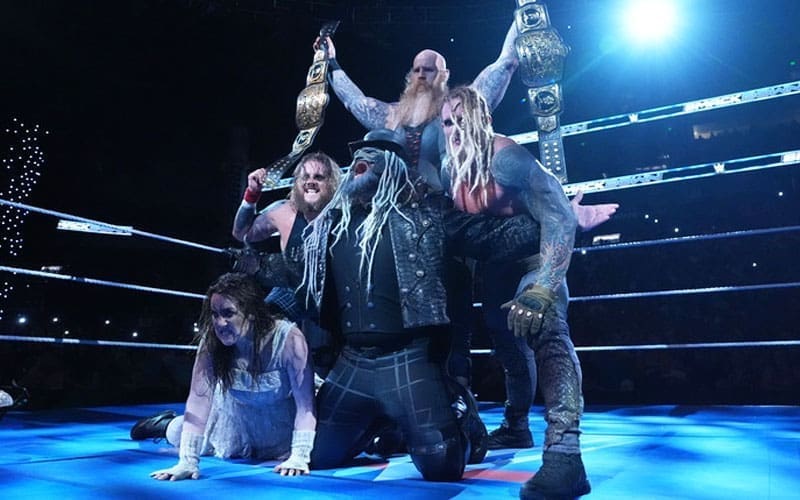
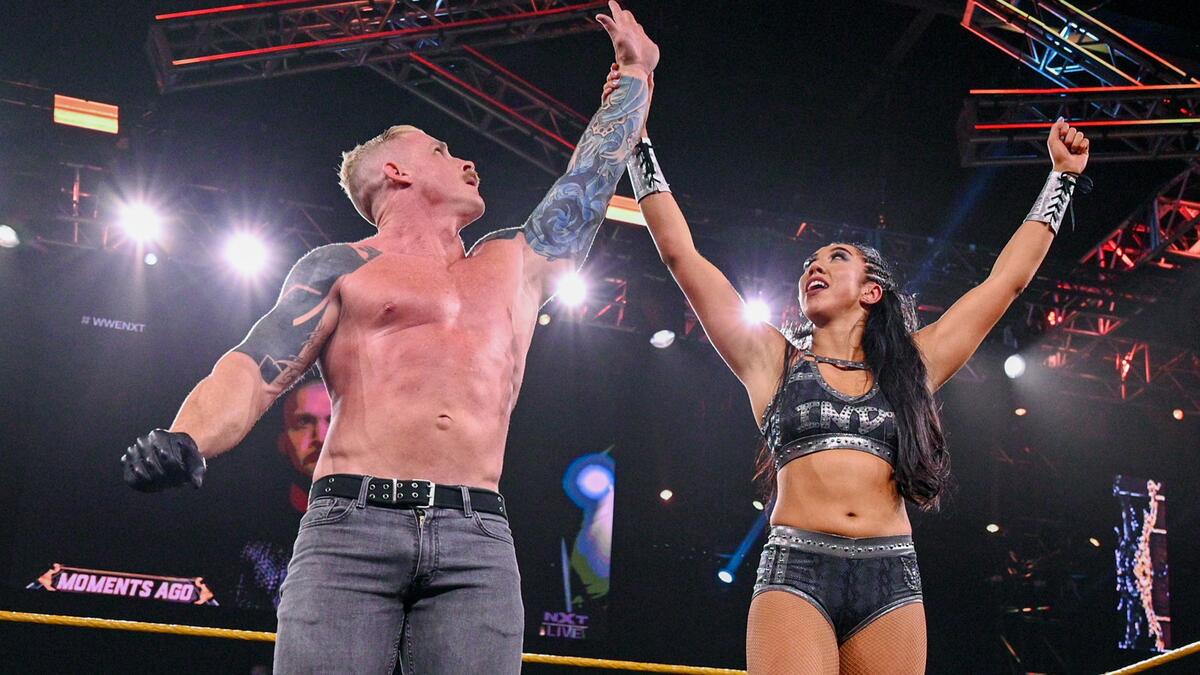
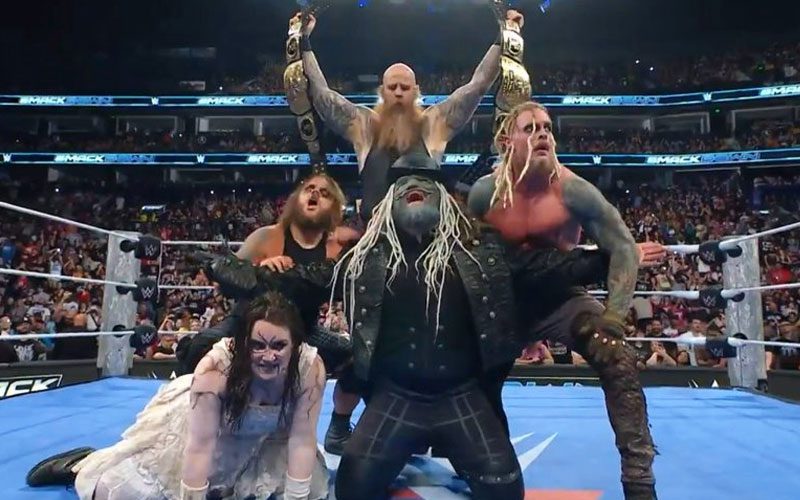
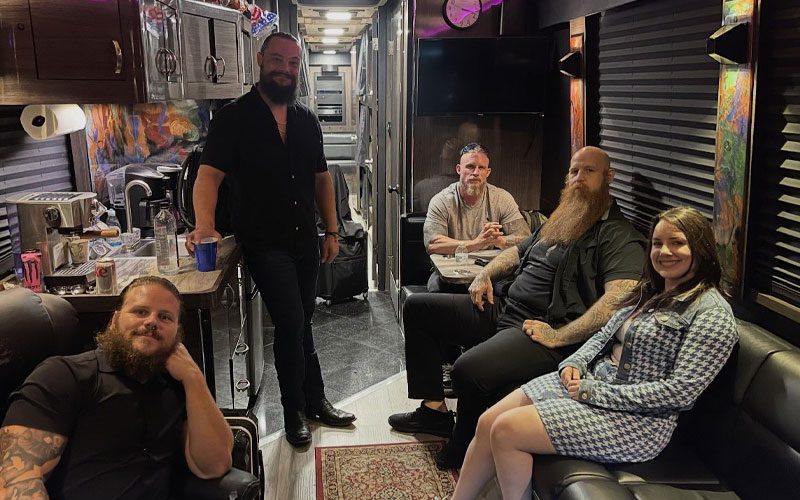
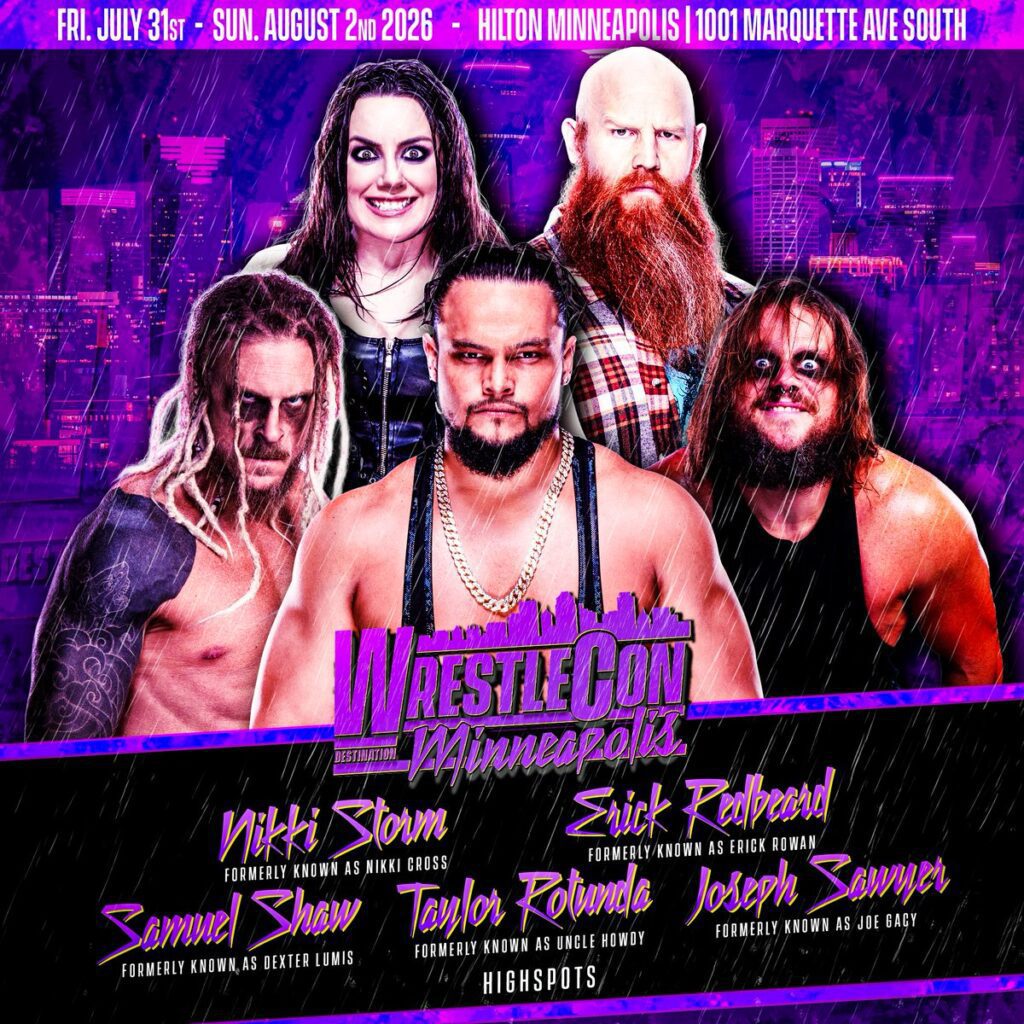
The wrestling landscape shifted dramatically on April 24, 2026, when reports confirmed the mass departure of the entire Wyatt Sicks stable from WWE. Joe Gacy, Dexter Lumis, and Nikki Cross have all navigated the immediate aftermath by acknowledging their past work through social media tributes. This creates an urgent question regarding where these talents land next.
Impact Wrestling has historically functioned as a haven for creative minds seeking to pick up the pieces of discarded supernatural or high-concept gimmicks. With the Wyatt Sicks project left unfinished, the prospect of a reinvented faction appearing in a promotion less bound by corporate broadcast requirements is gaining momentum. The creative ceiling for these performers at their previous employer was consistently capped by production restraints.
Why the Impact Roster Fits
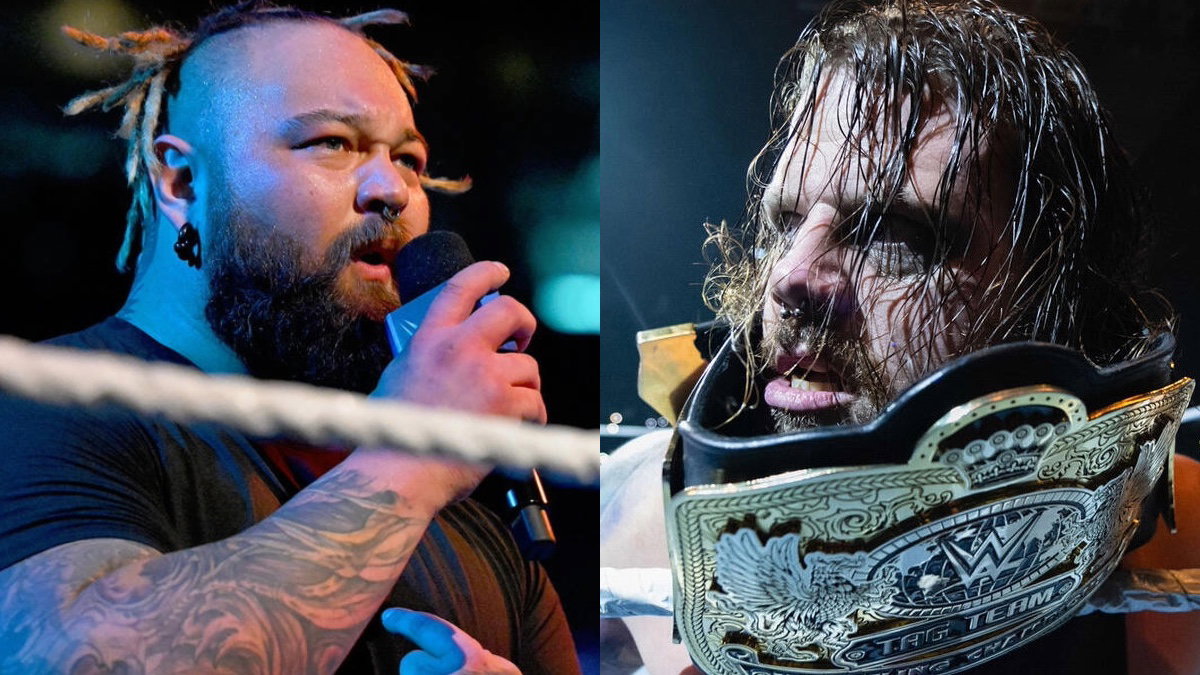
Impact possesses a history of accommodating darker, character-driven wrestling. Adding a group with the existing chemistry of Gacy, Lumis, and Cross provides an immediate main-event injection. These performers understand the nuances of non-traditional presentation; Gacy’s recent public comments regarding the lingering influence of Bray Wyatt demonstrate a deep commitment to the character work that defined their tenure.
However, the execution remains a concern. Translating the specific visual identity of the Wyatt Sicks into a new environment is technically fraught. If they attempt to copy the previous aesthetic too closely, they risk looking like an off-brand imitation. Impact would need to allow an evolution of the characters, move them away from the specific masks, and emphasize the raw in-ring work that the group effectively showcased before their release.
Probability and Creative Outlook
The probability of at least one member appearing on Impact programming remains high compared to other major promotions. They offer a flexible schedule and a history of rebooting established talent. Sources suggest that negotiations are already in the preliminary stages for various members of the group, though no formal contracts have been signed as of April 27.
A debut timeline is likely to manifest following the standard 90-day non-compete window, assuming their previous contracts included such language. If they forgo a full unit reunion to seek individual opportunities, their standalone value remains substantial. Dexter Lumis, for instance, could easily pivot to a silent, menace-driven mid-card run, while Nikki Cross demonstrated an ability to anchor intense, emotionally-driven segments during her final weeks on television.
The critical flaw in this move is the potential for audience fatigue. Fans are hyper-aware of the turnover in the current industry. If the group fails to distinguish their new iteration from the WWE version, they will fall flat. They must pivot to a new identity quickly to avoid the label of 'recycled content.' Success depends entirely on their ability to shed the past while retaining the character-work intensity that made their departure one of the most discussed events of 2026.
The Potential Impact
Should this signing occur, it will force a shift in the X-Division and main-event hierarchy. Introducing a group of established veterans who are motivated to prove a point provides an organic, high-octane narrative for the promotion to build around. The baseline expectation for a group with this much television experience is high, yet they carry the burden of needing an immediate, distinct rebrand to validate their next contract.