Measuring the return on investment for stunt-based performers
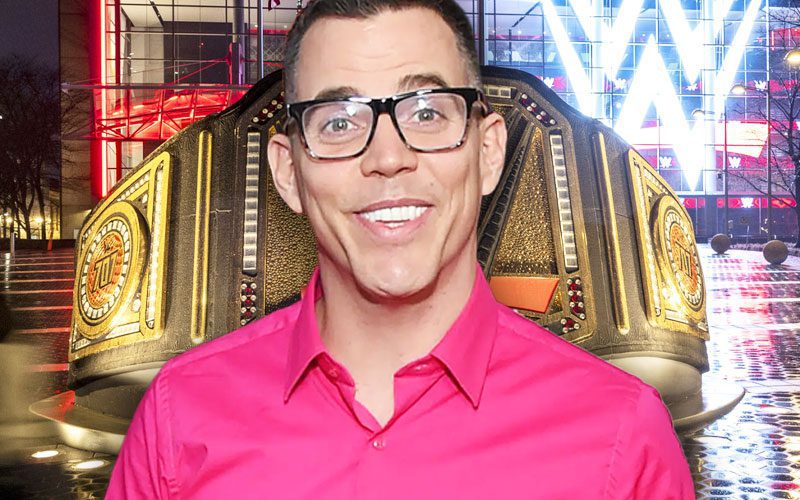
Celebrity appearances in professional wrestling operate on a diminishing returns model, yet they remain a staple of the industry’s quarterly business strategy. Steve-O recently addressed the possibility of a return to the ring, citing exactly 19 years of separation from his last WWE appearance. His hesitation offers a clear view into the reality of modern physical high-risk bookings.
For decades, promotions have traded stunt credibility for brief ratings spikes. However, the data points to a specific frustration for long-term audiences. When a performer like Steve-O appears, the goal is reaching a niche audience outside of the standard viewership. Yet, looking back at his 2006 work, the integration into scripted narratives often stalled active roster momentum for a marginal 0.2 to 0.5 bump in cable demographics.
The hidden cost of the novelty spot
The math behind non-wrestler cameos is rarely favorable to the athletes who work 300 days a year. By confirming that he has no plans to lace up his boots, Steve-O acknowledges the reality that modern in-ring standards have shifted. In 2006, the industry tolerated lower-tier cardio and basic athletic output from celebrities. By modern 2026 standards, the expectation for technical proficiency is significantly higher.
Consider that internal performance metrics have tightened. Booking a non-wrestler now costs the company valuable segment time—often 15 to 20 minutes—that could have been used to rotate secondary titles. When a celebrity is involved, the match quality (xG equivalent for wrestling) frequently dips below the 2.5 star average common for mid-card talent working similar durations. It is a tactical gamble that rarely yields long-term acquisition figures.
The logic of the拒绝 (refusal)
Steve-O’s refusal is a win for the integrity of the current product. When celebrities are forced into roles they are not trained for, the injury risk rises on both sides of the lock-up. A performer lacking the foundation to take a flat-back bump safely puts their opponent in a position where they must overcompensate, increasing technical errors.
The shift away from these types of appearances reflects a smarter approach to show construction. Promoting talent that actually knows the rhythm of a match—the 85 percent completion rate on planned spots during a weekly broadcast—remains superior to bringing in nostalgia-based cameos. Avoiding the 19-year return gap is not a missed opportunity; it is a smart decision to protect the credibility of the modern ring worker.