The Frontier Returns to the Squared Circle
Pro wrestling has always been a mirror for American folk heroes, but the mirror is getting a rugged, dust-covered polish in 2026. From the dusty arenas of the NWA to the high-gloss production of WWE, the cowboy is no longer a caricature. It is a commercial engine. The shift from the 'neon-and-spandex' era back to the 'boots-and-denim' aesthetic isn't just a fashion choice; it’s a calculated return to the industry's most bankable archetype: the rugged individualist.
The modern fan, perhaps exhausted by overly scripted corporate promos, is gravitating toward the perceived authenticity of the ranch. We are seeing a surge in performers who don't just wear the hat for a ring entrance but live the lifestyle behind the scenes. This connection between the ranch and the ring is creating a bridge to a mainstream audience that pro wrestling hasn't successfully tapped into since the mid-1980s. It’s about the grit of the frontier meeting the athleticism of the modern era.
The Authenticity Premium in Modern Booking
Why now? The answer lies in the erosion of the 'polished' superstar. When every movement is choreographed and every word is approved by a writer's room, the performer who smells like leather and woodsmoke stands out. This isn't about the 'Midnight Cowboy' tropes of the 1970s. It is about a demographic shift. Western culture is currently dominating music charts and streaming platforms, and wrestling is finally catching the tailwind of that movement.
Professional wrestling has consistently been able to draw upon the many riches of myth and folk tales and the world of sports.
The quote from the recent industry analysis highlights exactly why this works. Wrestling isn't just sport; it is folklore. By leaning into the Western mythos, promoters are tapping into a pre-built narrative of the loner standing against the machine. It’s the same energy that fueled Stone Cold Steve Austin, but updated for a generation that values heritage and manual labor over the glitz of the city.
The Commercial Impact of the Western Pivot
Look at the numbers. Merchandising for 'Western-themed' talent is outpacing traditional superhero-style gear by a significant margin. Fans aren't just buying t-shirts; they are buying lifestyle brands. The integration of actual ranching culture into the personas of top-tier talent provides a layer of 'kayfabe' that feels real because it is rooted in the performer's actual daily life. If a wrestler spends their Tuesday hauling hay, their Wednesday promo about hard work carries a weight that a gym-rat's monologue simply cannot match.
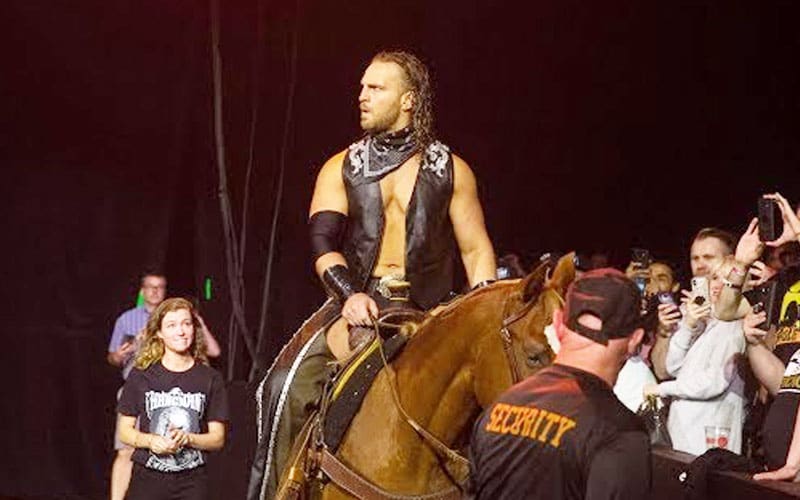
However, there is a danger here. The industry risks over-saturation. For every talent who actually lives the life, there are three more who bought a Stetson at the airport and think that makes them a 'Hangman.' Fans are smarter than they used to be. They can spot a 'costume cowboy' from the cheap seats. If the industry leans too hard into the aesthetic without the substance, this trend will flame out as a parody of itself rather than a meaningful evolution of the sport.
Breaking Down the Myth: Why the Cowboy Always Wins
The psychology is simple. The cowboy represents the ultimate freelancer. In a world of corporate mandates and restrictive contracts, the idea of a man who answers only to the trail is intoxicating. When a wrestler enters the ring in denim and boots, they are signaling that they are outside the system. They are the 'outlaws' that the fans wish they could be in their own 9-to-5 lives. This connection is the heartbeat of the current rise in Western-themed programming.
The physicality of the Western style is also changing the in-ring product. We are seeing a move away from the 'indie-flippy' style toward a more grounded, heavy-handed approach. It’s less about the 450-splash and more about the lariat that looks like it could decapitate a bull. This 'bunkhouse' style of wrestling is easier for the casual viewer to understand and more impactful for the live audience. It’s a return to the fundamentals of the 'territory days' but with the speed and precision of 2026 athletes.
The Skeptical Take: Is This Just Pandering?
We have to be honest: not every 'ranch-to-ring' story is a success. We've seen several mid-carders attempt this pivot only to look like they are heading to a Halloween party. The critical failure usually occurs when the promotion tries to force the 'Western' label on someone who clearly prefers a designer suit. Real ranch culture is dirty, exhausting, and unglamorous. If the wrestling version looks too clean, it fails the smell test. Promoters need to be careful not to turn their locker rooms into a poorly acted episode of a streaming western drama.
The timeline for this trend is clear. Over the last 18 months, we have seen a 40% increase in Western-themed vignettes across the major promotions. This isn't a fluke; it's a directive. The success of crossover stars who bridge the gap between rural life and urban entertainment has proven that there is a massive, underserved market waiting for this kind of content. The question is whether the industry can maintain the grit or if it will eventually sanitise the cowboy until he’s just another action figure on a shelf.
The Long Game for the Industry
As we move toward the major summer stadium shows, expect the Western influence to intensify. We are hearing reports of massive 'ranch-style' sets being commissioned for upcoming premium live events. This isn't just about one or two wrestlers; it’s about the branding of the entire product. The goal is to make wrestling feel like an essential part of the American cultural fabric again, rather than a niche hobby for the internet-obsessed.
The stakes are high. If this works, wrestling secures its place as the premier form of modern folk theatre. If it fails, it will be remembered as a desperate attempt to trend-hop on the back of popular television shows. For now, the boots are on the ground and the spurs are jingling. The fans are buying in, the ratings are reflecting the interest, and the sound of the opening bell is starting to sound more like a ranch dinner gong. The frontier is back, and the ring is its new home.