The inevitable decline of a fantasy booking
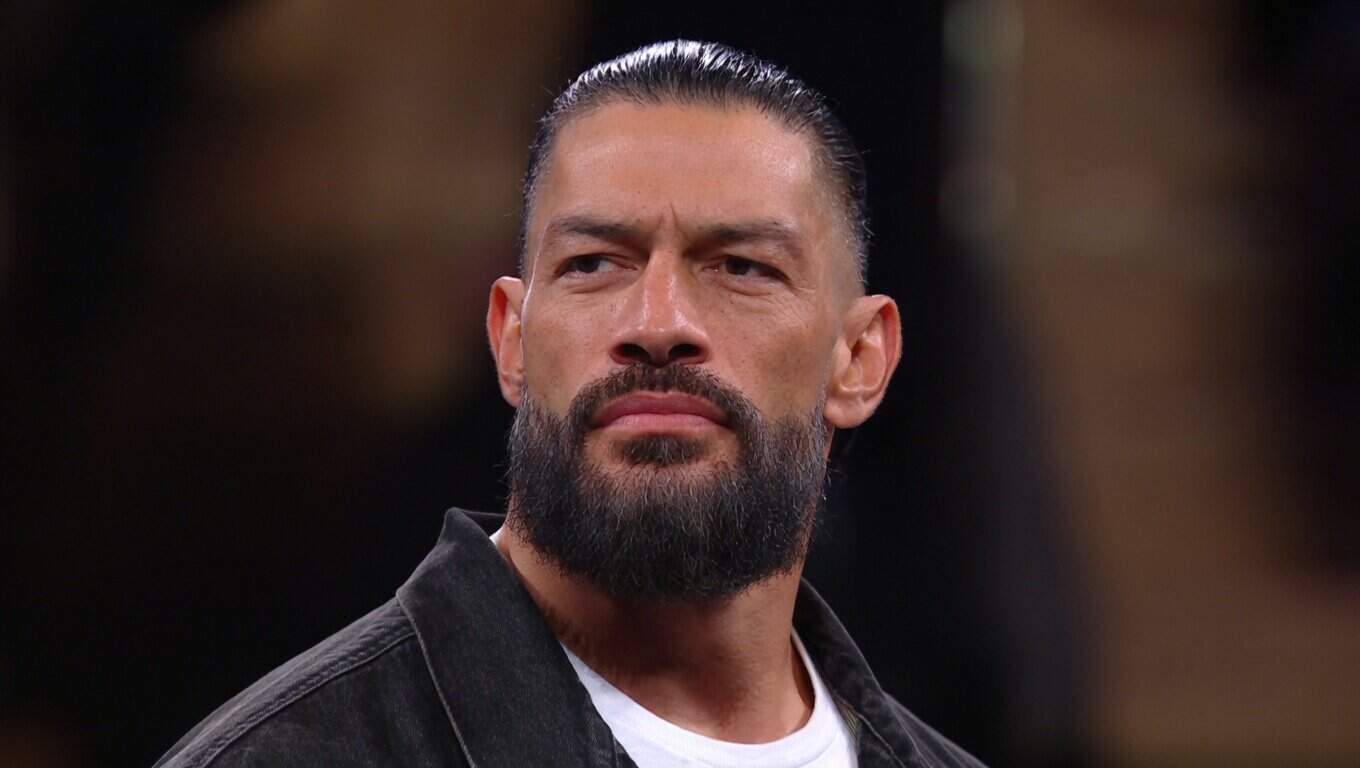
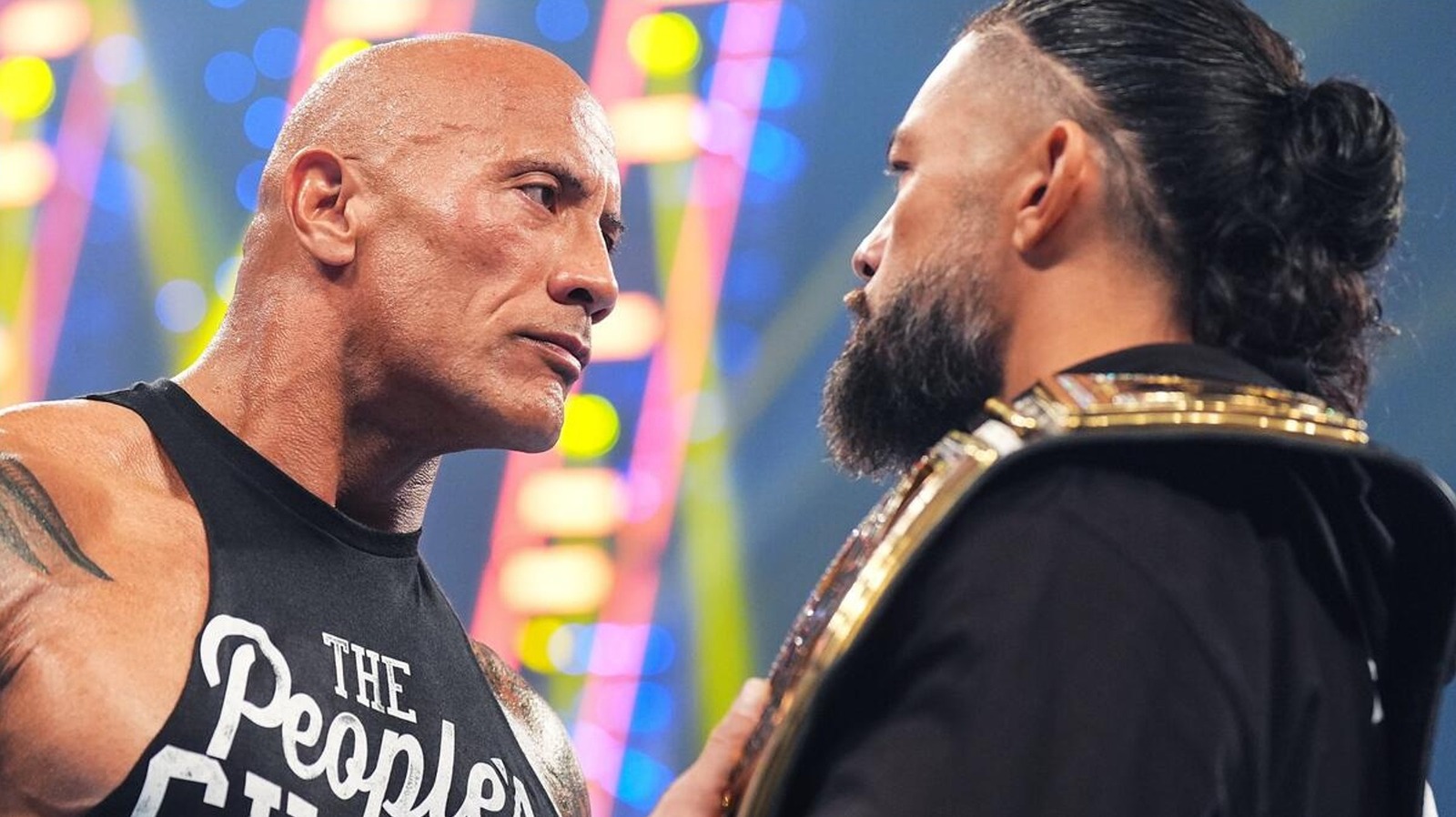
For years, the wrestling industry operated under the assumption that Roman Reigns and The Rock would eventually collide in a main event of epic proportions. It was the match that seemed destined for a grand stage like WrestleMania, serving as the ultimate family drama. Now, the momentum behind that concept has ground to a halt.
Jeff Jarrett recently weighed in on the matter, suggesting that the opportunity for this specific contest has passed. When a veteran of his standing speaks on the logistics of high-profile booking, it carries weight. The reality is that the window for a peak-level performance between these two icons is closing rapidly.
The physical demands of a main-event-caliber match require months of preparation and a specific level of conditioning that becomes harder to maintain with age. We have seen recent industry chatter suggest that the ship has sailed, and frankly, the logic holds up. Wrestling fans often cling to the idea of dream matches long after the participants have moved into different phases of their careers.
The problem with waiting too long
Booking a match based on nostalgia rather than current narrative momentum is a dangerous game. Roman Reigns has spent the last several years refining a character that demands a certain type of opponent to make sense of his dominance. The Rock, conversely, has evolved into a global entity whose presence in a ring feels more like a special attraction than a competitive athletic pursuit.
If WWE were to force this match into existence now, the outcome would likely feel hollow. The story of the Bloodline has already reached several crescendos without the need for a direct confrontation between the two biggest stars in the family tree. Adding a match now would feel like an afterthought, a desperate attempt to recapture a magic that was tied to a specific time and place.
There is also the matter of the quality of the work. Modern main events are fast-paced, high-impact affairs that push the human body to its limits. Expecting two men who have moved beyond full-time schedules to deliver a 25-minute classic is a recipe for disappointment. The risk of a subpar performance outweighs the potential marketing gains.
Missing the mark on storytelling
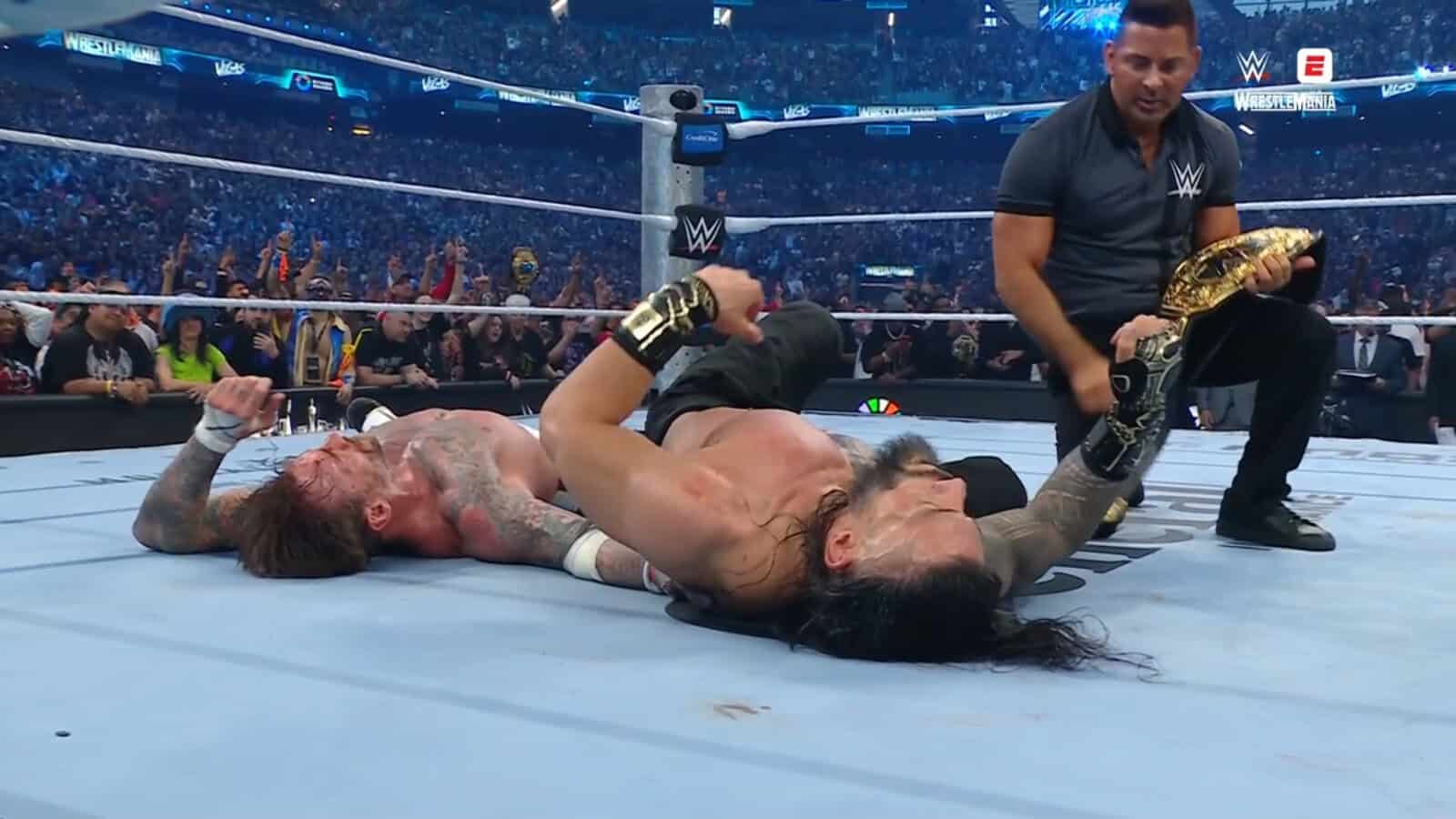
Beyond the physical limitations, the narrative stakes have shifted. Roman Reigns is currently navigating a landscape where he is no longer the undisputed king of the hill, having been dethroned and forced to adapt. Inserting The Rock into this current arc feels like a distraction from the more compelling character work happening with the younger, hungrier talent on the roster.
We have seen companies struggle when they prioritize big names over logical progression. It creates a disjointed product that leaves the audience confused about the direction of the brand. A match between these two would likely overshadow the rest of the card, sucking the air out of the room for every other performer who has been grinding on television every single week.
It is worth noting that the desire for this match was always more about the spectacle than the wrestling itself. Yet, even as a spectacle, it loses its luster when the protagonists are clearly in different orbits. The industry is better served by building new stars who can carry the company for the next decade rather than relying on the ghosts of the past.
A critical look at the booking philosophy
WWE has made significant strides in recent years by focusing on long-term storytelling and consistent character development. However, the temptation to book "dream matches" remains a glaring flaw in their creative process. It signals a lack of faith in the current roster to draw interest without the crutch of a legend.
This reliance on the past is a stagnation of creativity. When fans stop looking forward to the next generation and instead spend their time debating hypothetical matches from a bygone era, the product suffers. The booking team needs to lean into the current momentum rather than looking backward at what could have been.
If the company continues to chase these marquee attractions, they risk alienating the audience that actually watches the weekly shows. There is a distinct difference between a surprise appearance and a forced main event. One delights the crowd, while the other feels like a corporate mandate that misses the pulse of the fanbase.
The path forward
The conversation needs to shift toward who will be the next major challenger for the top title. There are plenty of talented individuals waiting for their moment in the spotlight. Giving them the platform to shine is the only way to ensure the long-term health of the business.
Roman Reigns still has plenty to offer as a performer, but his future lies in working with the next wave of talent. Whether it is a rising heel or a babyface with a chip on their shoulder, the focus should be on creating new memories rather than trying to recreate old ones. The era of the dream match between these two icons is over, and it is time for everyone involved to move on.
Read Next
- Roman Reigns and the myth of the 1316-day championship reign
- Roman Reigns proved that a heel turn is the best mid-life crisis in wrestling
- WWE doesn't need John Cena to survive the post-Mania era
- John Cena was never meant to be your favorite wrestler
- 🏆 WrestleMania 41 — Full Coverage Hub
- 💥 WWE Backlash 2026 — Full Coverage Hub
- 👑 Roman Reigns Return 2026 — The Tribal Chief