Hartley Jackson steamrolls in Chino
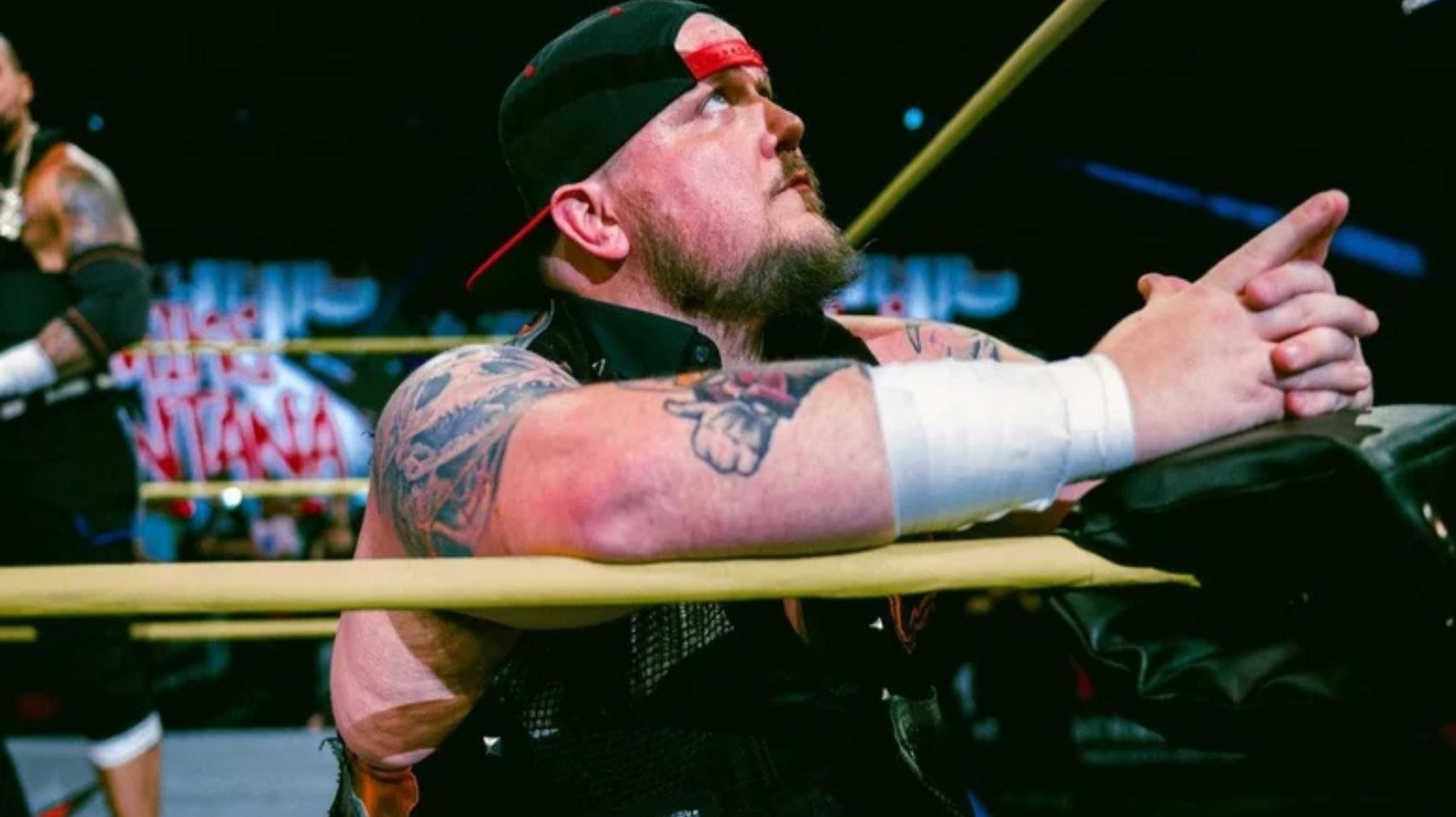
New Japan Pro Wrestling opened its Road to G1 Climax 36 tour on June 19, 2026, with an odd booking decision in Nagano. Hartley Jackson walked into the Chino Cultural Complex for a two-on-one handicap match against Taisei Nakahara and Tatsuya Matsumoto. The match lasted exactly 6:14 before Jackson secured the pinfall victory.
The finish involved a decisive power display that effectively sidelined both opponents. While Jackson looked strong, the match structure highlighted a recurring issue within the current NJPW talent rotation. Utilizing seasoned heavyweights against young lions in handicap scenarios rarely adds intrigue to tournament lead-up shows.
Injury assessment and fallout
Following the bout, training staff evaluated Nakahara and Matsumoto for potential impact-related trauma. No official medical report has been released by NJPW regarding significant injuries, though both performers were seen struggling to exit the ring under their own power. Jackson’s heavy-handed style has drawn scrutiny in locker rooms previously, and this booking did little to soothe those concerns.
If Nakahara or Matsumoto sustained concussions or shoulder stability issues from this physical encounter, the company faces a logistical hurdle. NJPW relies on these road tours to generate momentum for the G1 Climax, which is the most taxing physical period on the roster. Replacing talent on short notice is a headache NJPW management prefers to avoid during the summer loop.
The strategic failure of handicap booking
There is a distinct lack of long-term utility in booking handicap matches that prioritize one-sided dominance at the expense of roster depth. By pitting Jackson against two developing wrestlers, NJPW sacrificed the competitive integrity of the undercard. Fans look to NJPW road shows for technical clinics or competitive pairings, not squashes that put bodies at risk.
History suggests that overworking or improperly matched talent during tour legs leads to attrition rates that spike before reaching the final tournament stages. We have seen similar booking patterns result in mid-tour absences, forcing impromptu changes to official tournament brackets. In 2026, the company cannot afford a thinning of the field due to unnecessary injuries in handicap setups.
Contextualizing the Chino performance
Jackson continues to operate as a high-impact heavy, but his current trajectory needs clear alignment with potential challengers. The decision to shorten his night by involving two opponents was arguably a move to protect him from fatigue rather than elevate the opposition. However, the optics of the match suggest a lack of viable singles competition for Jackson during this opening phase.
Critically, NJPW matchmakers must re-evaluate if these styles of matches provide sufficient returns for the physical cost. If Jackson remains a centerpiece of the mid-card, his next opponents require better protection. The promotion needs to prioritize coherent storytelling over simple displays of force if it hopes to keep the roster healthy until the G1 finals.