Measuring the margin of error at Freedom 250
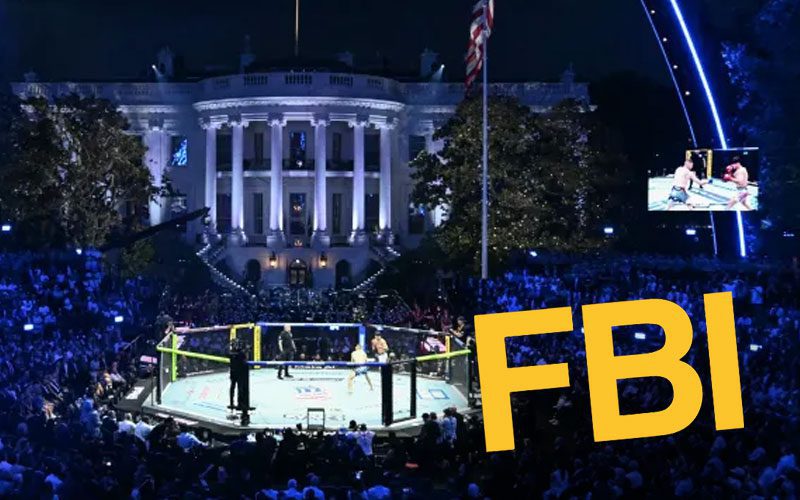
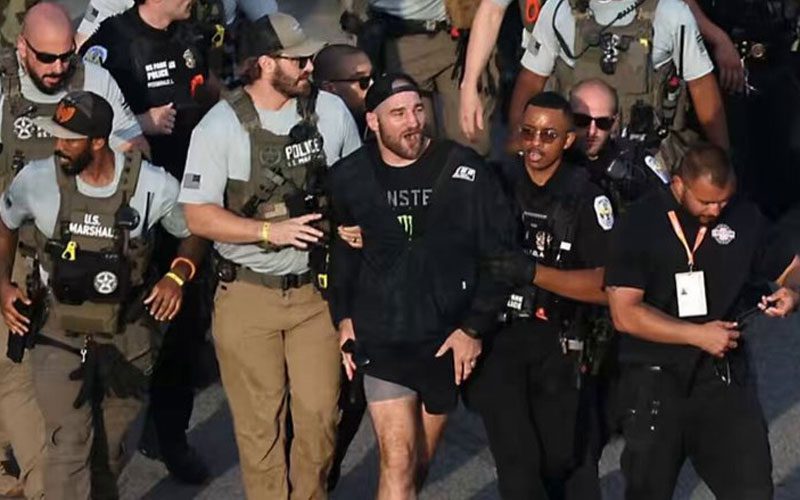
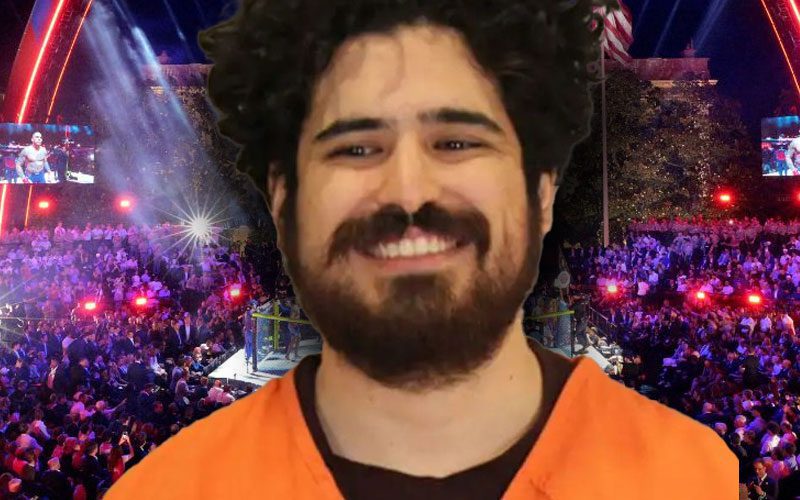
UFC Freedom 250 concluded on the White House lawn with a clean scorecard for the organization, yet the event’s periphery suggests a staggering 100% failure rate in pre-event threat assessment. While the broadcast focused on the octagon, the FBI was busy dismantling a plot originating from a central ringleader who had bypassed standard security protocols.
We analyze high-profile combat events through pay-per-view buys and striking accuracy, but we rarely quantify the cost of national security over-reach. The alleged terror plot prevented by the FBI marks a terrifying outlier in sporting logistics. Moving a combat sports card to a federal site like the White House lawn creates an infinite threat surface compared to a regulation arenas like the T-Mobile or Madison Square Garden.
When logistical ambition betrays reality
The decision to host an event of this magnitude at the White House suggests a pivot toward spectacle over operational baseline safety. In standard stadium management, security teams screen roughly 600 attendees per hour per gate, utilizing a tiered verification system. The White House lawn demands a level of scrutiny that effectively turns an athletic contest into a classified operation.
The arrest of the ringleader proves that the reliance on broad-spectrum federal oversight was the only thing preventing a catastrophic record from being set. Had the plot reached fruition, UFC would have transitioned from a sports entity to a permanent chapter in regional intelligence briefings. The organization reported high satisfaction with the fan experience, but the raw data on risk mitigation shows a different outcome.
A dangerous precedent for future cards
The promotion is now sitting at a crossroads regarding its venue selection for high-stakes bouts. Hosting on federal property increases the legislative burden by 400% compared to leasing private property, primarily due to the integrated role of federal law enforcement versus standard private security contractors.
This event highlights a missed opportunity for risk analysts to look closer at venue vetting. If the UFC continues to chase unconventional, high-visibility sites for its numbered events, they invite similar threats. The zero-incident outcome on the day of the fight does not excuse the extreme proximity of a lethal plot. Relying on federal authorities to double as event security is a scaling problem the sport cannot handle long-term.
Without a change in venue strategy, the organization could soon find itself in an untenable position where security costs diminish the net profit margins of these prestige events. The industry must demand transparency on how venues are cleared to ensure that the spectacle remains on the canvas, not in the intelligence reports of federal agencies.