The Weight of the Icon
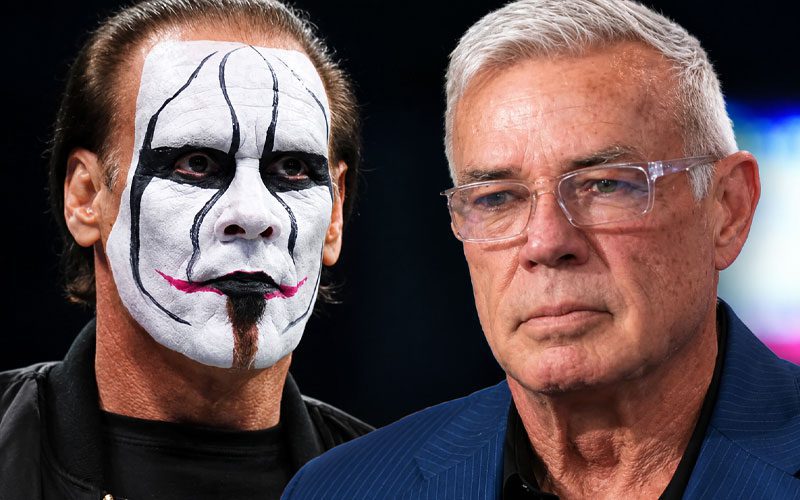
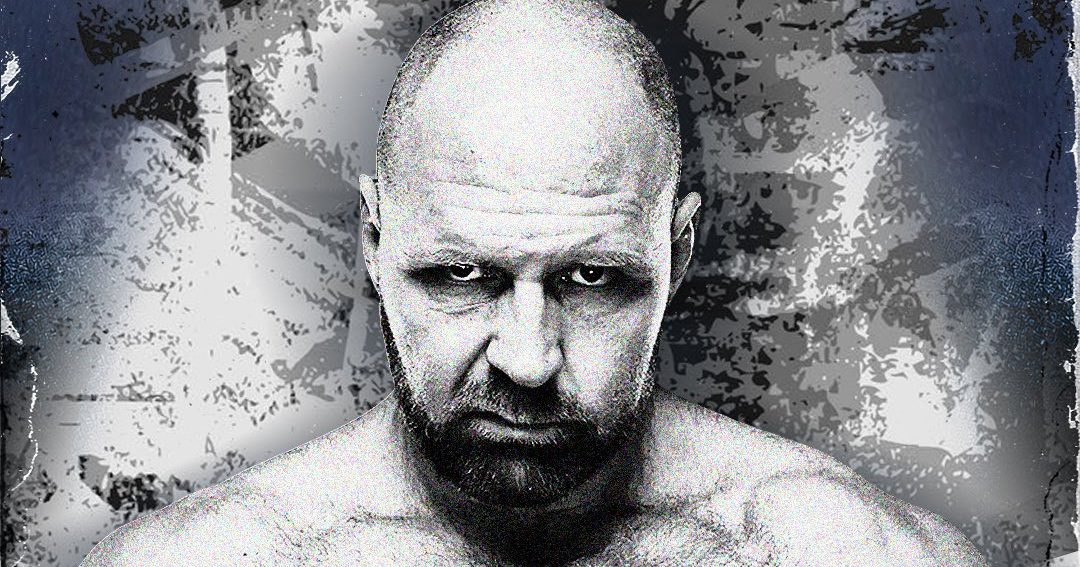
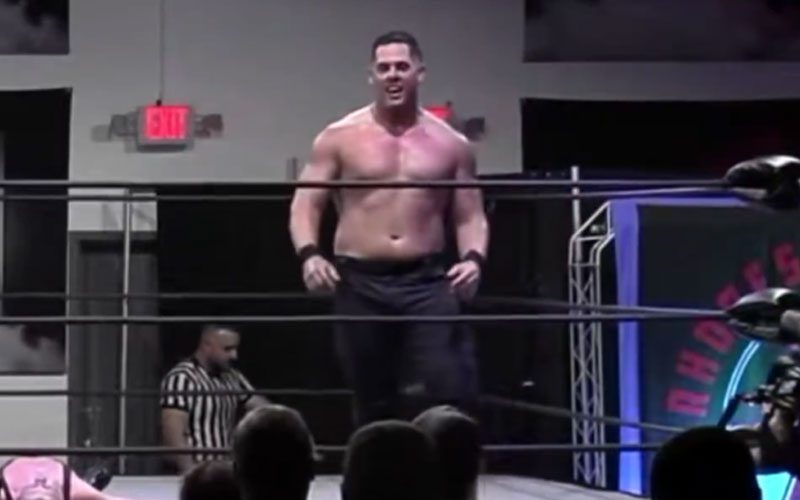
Garrett Borden scored another victory this May at the Rhodes Wrestling Academy's Final Reckoning event, according to Ringside News. It is a sentence that seems routine on the surface. A young prospect wins a match at a developmental showcase. But in this industry, bloodlines complicate everything. Being the son of Steve Borden carries a unique, suffocating kind of pressure. Sting was not just a top guy; he was the soul of an entire promotion for a decade, and then a mythical figure for two more.
When he finally walked away at AEW Revolution in 2024, he left behind a vacuum that cannot be filled by simply donning face paint and a black trench coat. Garrett is navigating an impossible path. The victory at RWA is a stepping stone, but it is also a flashing neon sign reminding everyone of who his father is.
The Rhodes Connection
The choice of training facility is not an accident. Cody Rhodes understands the burden of legacy better than almost anyone breathing. Dusty Rhodes cast a shadow so large it nearly swallowed Cody whole during his early WWE run.
Training at the RWA provides Garrett with a highly controlled environment. He is not being hidden away in a secretive dojo, but he is also not being thrown directly onto national television to sink or swim. The RWA system, closely tied to the Nightmare Factory lineage, focuses heavily on the fundamentals of television wrestling. They drill camera awareness, timing, and structural ring psychology.
This is where the rubber meets the road. Athleticism is rarely the issue for second-generation talent. The failure point is almost always psychology. Can Garrett put together a match that makes sense, or is he just reciting spots he learned in training? A win at Final Reckoning suggests progress, but the independent scene is littered with trainees who peaked at the student showcase level.
The Harsh Reality of the Second Generation
Let's be brutally honest about the odds here. The industry loves the romantic idea of a legacy continuing, but the reality is often cruel. For every Randy Orton or Dominik Mysterio who finds their footing, there are ten Curtis Axels or David Flairs who get exposed the moment the bell rings.
The biggest risk for Garrett is the rush job. Promoters see the name and immediately want to monetize the nostalgia. If he gets fast-tracked to an AEW or WWE roster spot before his working boots are fully broken in, it will be a disaster. The modern audience is unforgiving. They will pop for the entrance music once, maybe twice. After that, if the bell rings and the work is sloppy, the resentment builds fast.
Right now, Garrett's matches are largely protected. Working against fellow RWA students or trusted veterans in a controlled environment is essentially wrestling with training wheels. The true test comes when things go wrong in the ring. A blown spot, a hostile crowd, a miscommunication. How he recovers in those unscripted moments will dictate whether he is a wrestler or just a guy playing wrestler.
Analyzing the Final Reckoning Stage
Final Reckoning is the RWA's equivalent of a semester final exam. It is not just about executing moves; it is about putting everything together in a live environment. The crowd is mostly friends, family, and hardcore local fans. It is a supportive atmosphere, perhaps too supportive. You do not get true, visceral heat in these buildings. You get polite encouragement.
The details of Garrett's match at this event are less important than the fact that he was trusted to win. In developmental territories, wins and losses do actually matter, but not in the way fans think. A win in a developmental showcase means the trainers trust you to lead the match to its conclusion. It means they trust your timing on the finish. It means you aren't a danger to yourself or your opponent when the adrenaline spikes.
But let's look at the tape of previous RWA showcases. The style is heavily influenced by the AEW television product. It is fast-paced, spot-heavy, and relies on frequent reversals. This is a massive departure from the territory-style wrestling his father learned in the UWF and early WCW. Sting learned how to work a 20-minute broadway based entirely around a side headlock and a hope spot. Garrett is learning how to string together complex sequences of high-speed offense.
Is this the right approach? Frankly, I have my doubts. The market is currently flooded with guys who can do a Canadian Destroyer. The market is starving for guys who know how to throw a believable working punch. If Garrett is spending his days at RWA practicing suicide dives instead of mastering the fundamental psychology of selling, he is preparing for the wrong era. The pendulum is swinging back toward gritty, physical storytelling. The high-spot arms race has peaked. If he wants to stand out, he needs to be the hardest-hitting guy in the room, not the most athletic.
The Shadow of Revolution 2024
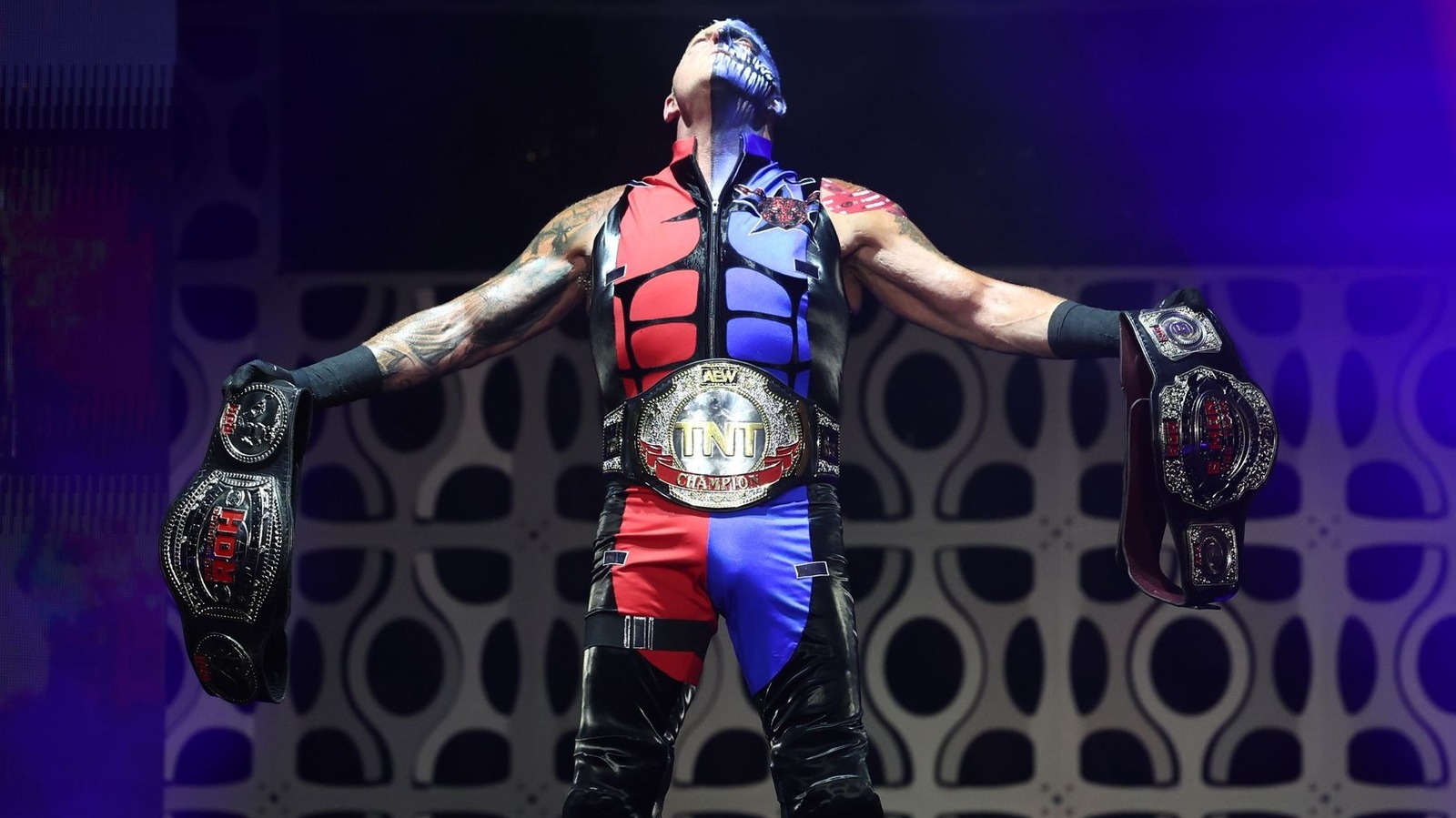
We cannot discuss Garrett without mentioning the sheer emotional weight of Revolution 2024. Sting's retirement match alongside Darby Allin against The Young Bucks was a masterpiece of smoke, mirrors, and raw emotion. It was the perfect send-off. It cemented his legacy without tarnishing his final years with embarrassing, slow-motion performances.
That perfect ending creates a massive problem for his son. There is no lingering desire from the fanbase to see one more match from Sting. The book is closed. Therefore, Garrett cannot be introduced as a continuation of an unfinished story. He cannot be the avenging son. He has to be entirely his own man from the moment he walks through the curtain on national television.
Look at Bron Breakker. He succeeded specifically because he stripped away the Steiners' aesthetic. He kept the intensity, but he didn't come out wearing amateur headgear and barking immediately. He built his own identity first, and only leaned into the legacy once the crowd had already accepted his work rate. Garrett must take notes.
The Danger of the Nostalgia Pop
Wrestling promoters are addicts. Their drug of choice is the cheap nostalgia pop. It is intoxicating to hear thousands of people roar when a familiar guitar riff hits or a classic finishing move is executed. The temptation to book Garrett Borden, put him in a trench coat, and have him drop someone from the rafters is going to be overwhelming.
But nostalgia is a depreciating asset. The first time Garrett hits a Stinger Splash, the building will shake. The second time, there will be polite applause. By the third time, the crowd will be sitting on their hands, waiting to see what else he can do. If the answer is nothing, his career is effectively over before it begins.
This is why the slow burn at RWA is the only viable strategy. Cody Rhodes knows this. He watched his brother Dustin struggle for years under the weight of the Rhodes name before finally breaking free and becoming Goldust. That character was so radically different from the American Dream that the legacy became irrelevant.
The Verdict
The victory at Final Reckoning is a nice headline. It shows he is putting in the hours. But nobody should be booking a flight to see his television debut anytime soon. He needs to suffer. He needs to work bad gimmicks, get stiffed by bitter veterans, and learn how to carry a match when his opponent blows up three minutes in.
My prediction remains firm. If we see Garrett Borden on AEW Dynamite or Collision before 2028, someone in management has panicked. The best thing the industry can do for him right now is to forget he exists for the next 24 months. Let him grind. Let him fail in private. Because when he finally steps into the spotlight, the ghost of the franchise will be waiting, and it does not forgive mediocrity.